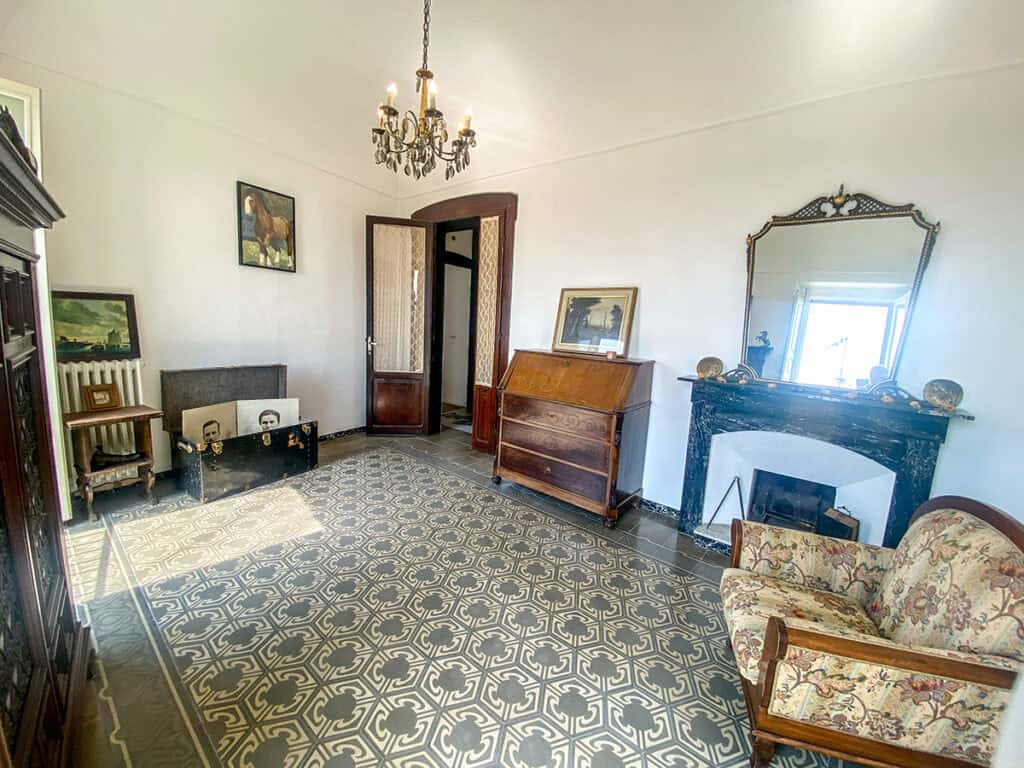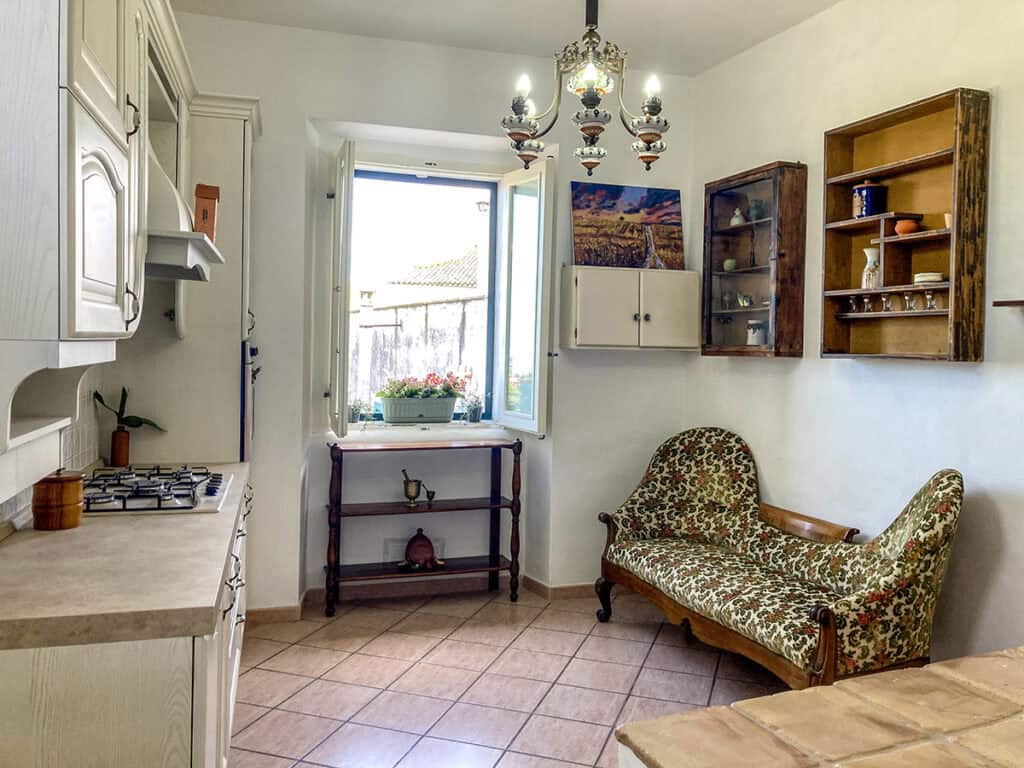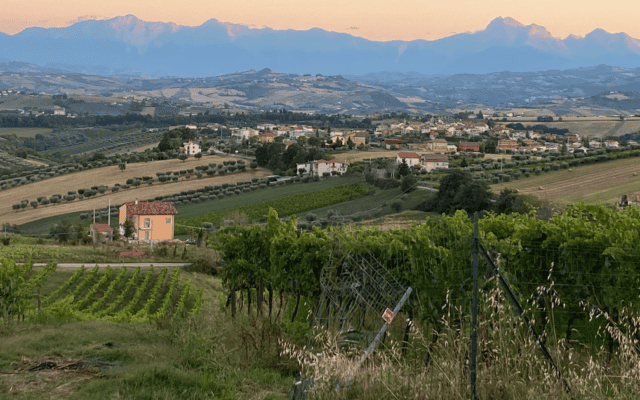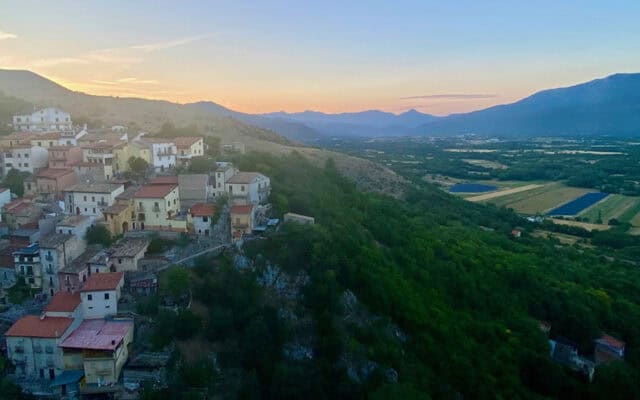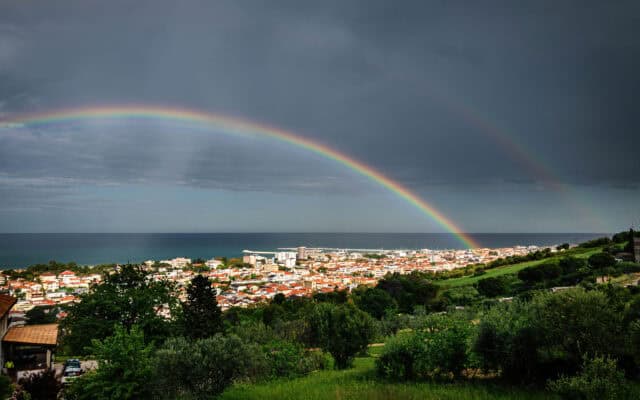
Abruzzo might be Italy’s most beautiful region, but it can quickly become ‘Abruptzzo’ if you spend years and your savings on renovations. That’s what happened to us.
To be upfront, we have two turnkey properties for sale, including one listed here on Life in Abruzzo, so I do have a personal interest. Still, I’m not writing this to promote a listing. After six years living here full-time and renovating two houses, we’ve met very few people, Italian or foreign, who didn’t come to the same realisation too late and end up with regrets. If sharing our experience helps even one family avoid some of those years, then this piece is worth it.
This is not a handbook. It is a list of things we wish someone had said to us before we picked up the keys or the trowel.
1. Know What Prices Really Mean
In our experience, a properly renovated property usually costs at least €1,000 per square metre. This isn’t just because Abruzzo is now a popular destination; it’s the real cost of materials, permits, labour, and everything else. If you see a ‘cheap property,’ a ‘€60,000 country villa,’ or the famous ‘one euro house,’ no matter what ‘habitable’ means in the ad, it will need a full renovation. Treat the lowest price as the reality, and see the bargain as a warning sign.
2. Language Fluency
Ask yourself: Can you handle renovations in Italian? When we arrived, I learned just enough ‘construction Italian’ and ‘food Italian’ to talk to contractors and buy groceries. But it wasn’t enough. I tried to get to know everyone’s mother, thinking they could help in ways no website could. Renovating is tough anywhere; it takes time, money, and patience, and always leaves a mess. If you’re still learning the language, it gets even harder. Even if you’re fluent, you might get a quote for €18,000 plus VAT just to paint three rooms, or wait months for someone who promised to come tomorrow.
3. Get Ready for Surprises
Not UFOs, but things done so differently that you only find out the rule after it costs you. Many historic homes have ancient parts, sometimes even pre-Roman bricks, but on paper, they’re listed as built in 1800 or 1900. There’s a reason: we learned that a property is hard to insure unless its official build date is after 1800. You’ll also notice that many homes show fewer square metres in the records than they really have, which can actually help at tax time. This is when you start to appreciate buying a house ‘as it stands,’ instead of paying for every extra measurement.
4. Laws, Regulations, and Bureaucracy
Here, you pay with your time and patience. The more you try to follow every rule, the more you seem to lose, because there’s always a hidden clause no one told you about, not even your advisers. It usually shows up as a fine, a delay, or another bill. Those are years taken from your dolce vita, not theirs. So, before you get too optimistic, ask yourself honestly whether spending years renovating is really what you want.
5. Stay Central and Connected
Living in a romantic olive grove won’t help you learn the language or guarantee peace; farming is a noisy early morning business, from roosters to trundling tractors and early morning harvests before it gets too hot. It can actually leave you isolated, far from help, and a long way from a hospital. You’ll also miss out on chances to practice the language and make friends. Sometimes, good neighbours are the best security and insurance you could have.
6. Be realistic about Time and Effort
Some hard truths are worth facing before you move. The region has struggled with depopulation for decades, which is why the one-euro houses exist. But this also means there are fewer tradespeople to help with renovations. Ask yourself honestly: can you finish a full renovation on time if local help isn’t available? Even if you’re handy, some jobs can only be done by licensed Italians, and they can be hard to find. We’ve watched a British family spend 18 years restoring their property, not helped by the L’Aquila earthquake, and they may finally be able to move into it this summer. If you’re coming for retirement, especially under the flat tax, think carefully: do you want to spend your best years working on a house, or living in it from day one? Is it retirement or ‘retilement,’ spending your golden years with a trowel on a ladder? And that’s just the start. Can you really manage a hundred olive trees at eighty, with no family nearby to help? It may sound harsh, but it’s the most honest question I can ask.
7. The cost of Waiting, and the Risk of Shortcuts
Waiting for Italian workmen can feel endless; they’re always busy and always promising to come tomorrow, next week, or after the next holiday. You might miss cheap flights, annual festivals, or dinners with friends, all for an appointment that never happens. Eventually, you might try to do the work yourself or ask a friend from home. But if the work isn’t done by licensed locals, you could lose the right to sell your house until you obtain a retroactive permit (sanatoria). And here’s the tough part: in Italy, the owner is responsible, even if the professionals made the mistake.
8. Focus on the Good Things
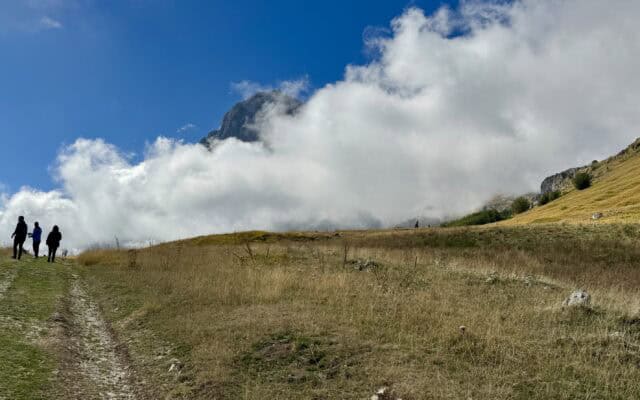
Before moving here, I had visited forty-five countries, and I still believe Abruzzo is one of the most beautiful places I’ve ever seen. That beauty is real and waiting for you. Our regret isn’t about the region, it’s about the renovation. The regret came slowly, project by project, sprinkled with half-truths and slapdash work that left a bad feeling. One major renovation forced us out of our home, and with nothing nearby to rent, we bought and renovated a second property just to have a place to stay. Now, we have two lovely turnkey homes to sell, a smaller bank account, and a quiet wish that we’d chosen a finished house from the start and spent our time and money enjoying Abruzzo, travelling, and planning for our son’s future.
We’re still glad we bought a place in the centre, and we love what we’ve restored. But if we could start over, we’d choose the easier path: enjoy someone else’s hard work and save your own time and money for the dolce far niente that draws people to Italy. The house should be the easy part; let it stay that way.
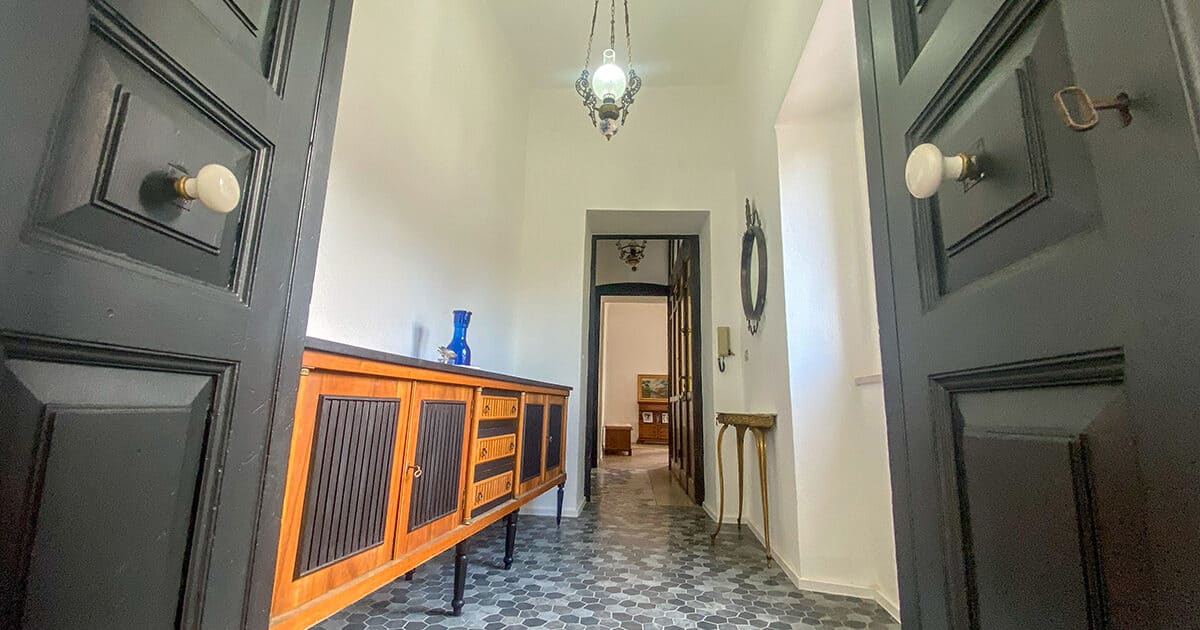
View Casa D’Aristotile penthouse in Penne, private, no commission sale