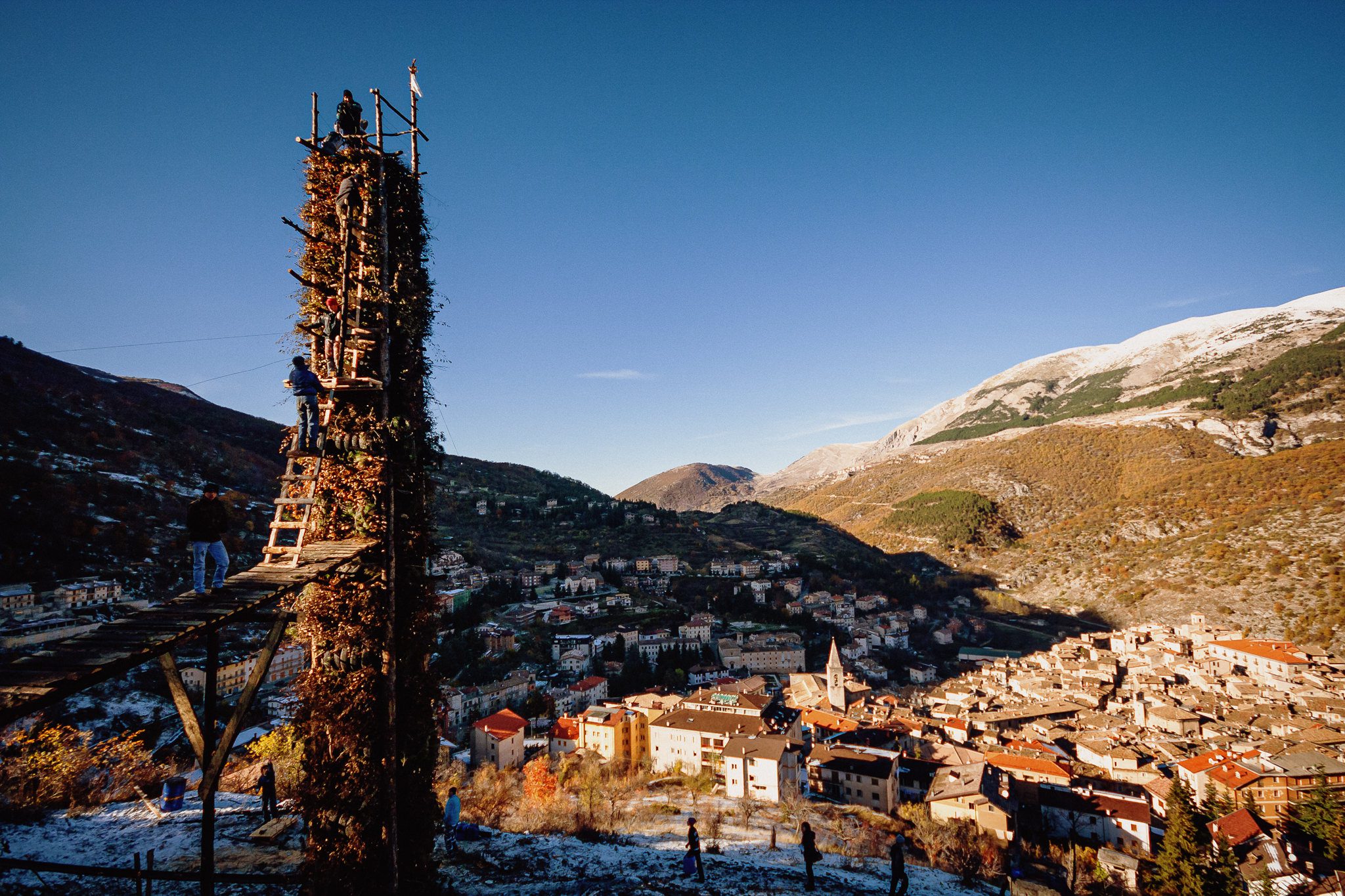
San Vito Chietino
Giorgia Meloni has just scrapped the road tax for 14.5 million cars and motorbikes. The current parliamentary term ends in October 2027, and the vote is expected in spring or autumn that year, though the government has not yet decided which. In any case, the exemption comes during the election year. This timing is the main point of the story, rather than the tax reduction itself. Berlusconi used the same tactic before with the home tax ahead of a vote. Opposition members are already calling this “electoral propaganda.”
The question no one is asking is this: right now, Abruzzo receives the money as a steady monthly influx. From 2027, that influx will simply cease for a full twelve months. The region won’t find out how much compensation it is receiving or when until a quarter of the way into the year, meaning it will have to go at least four months without any income and without knowing for certain what the replacement amount will be. Although Rome may eventually pay back all or most of it, the total sum and the exact timing have not yet been confirmed. So what is a regional government to do when it loses a regular monthly source of income and has to wait months for a reply that might not even fill the gap?
Just How Much Will You Actually Save?
With a small car in this category, you can expect to save about €100 to €200 each year. That’s nice, but consider what the region will lose while it waits for the measure to be implemented: in Abruzzo alone, this could be in the hundreds of millions, even if some of it eventually returns from Rome. The savings you make amount to only a few coffees a month. The exposure of the region, even if only temporary, is money that can fund hospitals, schools, and roads. The benefit applies only for one year, in 2027, unless the government decides to make it permanent later. And it doesn’t apply to everyone.
Who Gets on Board and Who Doesn’t?
- All motorbikes and mopeds
- Petrol, diesel, hybrid and LPG cars up to 80 kW (a Panda, a Toyota Aygo X, a smaller Clio)
- One vehicle per person, insured
Electric cars obtain no benefits. Because they do not pay fuel excise duty, no exemption can be granted to them. Nor do Piaggio Apes and other three-wheelers: they’re classed as goods vehicles, not cars or motorcycles, so the everyday workhorse of Abruzzo’s farms and market stalls misses out too.
Will This Contribute to the Environment?
The exemption considers only the engine’s power, not its emissions; thus, vehicles such as a fifteen-year-old diesel and a new Euro 6 hybrid that fall into the same category are treated the same way. Il Diario d’Italia pointed out that this approach rewards both old, often dirty vehicles and clean ones equally, which is the opposite of Italy’s own objectives for ecological transition.
What Does Road Tax Money Go On?
Even though it’s called a bollo, it isn’t set aside specifically for road use. It is general regional income—covering areas such as health, education, transport, administration and whatever else the budget requires. So it’s not that ‘Abruzzo loses its money for roads’. It’s simply that ‘Abruzzo loses one of its largest sources of general income’, period.
How Big is Abruzzo’s Shortfall?
Across the country, the bollo generates about €7 billion each year and is the region’s largest source of tax income. In Abruzzo, the amount is estimated at between €140 and €160 million per year, although no official figure is published. Usually, the money arrives in a steady monthly stream, with payments spaced out according to the registration date. However, for 2027 the monthly inflow will cease entirely for all twelve months.
Although Rome has committed to providing compensation of approximately €2.29 billion nationwide against a total estimated cost of €2.36 billion, this is very close to a full match, and Abruzzo will likely receive all or part of its share. However, the precise amount to be allocated to each region will not be finalised until 31 March 2027, three months into the year for which it is intended, together with the way the funds will actually be distributed (as a single payment or in several payments and on what schedule), has not yet been decided. Therefore, when the new year begins, Abruzzo does not know what the figure will be or when it will arrive, let alone whether it corresponds to what the region would have received each month.
Health spending is legally protected and paid first in all cases; when compensation is late, insufficient, or differs from the normal monthly amount, everything else, surely including roads, gets affected.
Is the Matter Actually Concerning the Iran Fuel Shock?
Fuel prices have risen over several months due to the US-Iran conflict, which is why the government has repeatedly extended reductions in the diesel excise. That provides genuine relief amid a real shock. The removal of the bollo is a completely different matter, involving a permanent reduction in taxation that Meloni herself described as scrapping “one of the taxes that Italians hate most”. Yet both measures appeared in the same decree, under the same cost-of-living justification. It is convenient, even though the two measures don’t address the same problem.
If the compensation isn’t properly paid, you still have to pay, just in a different way, such as having your services reduced, works delayed, or a different regional charge increasing.
How Does the Condono Procedure Function in Italy?
The amnesties introduced by Berlusconi, called condoni edilizi, followed a straightforward pattern and were carried out in 1994 and again in 2003. If people had built something without permission—such as an extra room, an illegal balcony, or an entire house—they could pay a fee to the state and have their building made legal retroactively, instead of facing demolition or prosecution. The flaw critics have always highlighted is that each amnesty leads people to expect another, encouraging more illegal building in the years leading up to the next amnesty. Applications submitted during the first amnesty in 1985 were still being processed decades later.
Did the Democrats do This as Well?
Certainly. It isn’t just a one-off move. When the PD’s Matteo Renzi announced a monthly tax credit of €80 just before the 2014 European elections, this was generally seen as a bribe intended to win votes, even though subsequent data indicated that it did not, in fact, cause voters in the areas where it was offered to switch their support to the PD. Renzi’s government also introduced the first “rottamazione delle cartelle” in 2016, enabling people to pay off their old tax debts without having to pay the normal penalties or interest, which was essentially a tax amnesty. The PD-led government under Gentiloni extended this measure in 2017, and the Conte I government did so again in 2018.
The irony became more striking in 2025, since Renzi had criticised the present government for using condoni, only for fact-checkers to point out that he had introduced similar measures himself; and in 2023, when Salvini put forward a new building amnesty, it was the PD’s own economic minister who ended up justifying a vote in Lombardy which allowed irregular buildings to qualify for renovation bonuses, even though he maintained that it “wasn’t a condono”.
The honest view is not that one side does this and the other doesn’t; rather, all Italian political parties share the practice of making grants and offering amnesties before elections, even if they present it differently depending on who is in power.
Why is Italy also Drilling for Oil?
Ten days earlier, the government quickly approved new permits for both onshore and offshore oil and gas drilling. Meloni described this as a measure for energy security, while the critics saw it as the fossil fuel lobby taking control. Although neither action violates EU law, both point in the same direction: one that contradicts where Italy’s own climate plan recommends it should be going.
What do the Polls Indicate?
Fratelli d’Italia holds steady at 26 to 28% nationally. Abruzzo has no direct proxy, but governor Marsilio, from the same party, ranks 13th among Italy’s regional presidents on approval, down since his 2024 election even as his party’s vote share stays strong.
The Bottom Line
Enjoy the €100 to €200 saving next year. Just don’t be surprised if it turns up again somewhere else on your bill, and if Abruzzo slows down on new projects in the first months of 2027, wait to see how much of that money is actually coming back.

Author: Sam Dunham
Sam is a freelance SEO content creator and IGCSE Geography and English teacher in Rome. She also runs the Life In Abruzzo Cultural Association, sharing stories and insights about this captivating region. Alongside raising a teenager, Sam hosts guests at her family’s traditional home, the Little House of the Firefly in Abruzzo, offering a warm welcome and insider tips on local culture, food, and hidden gems.