© Eugenio Panichi
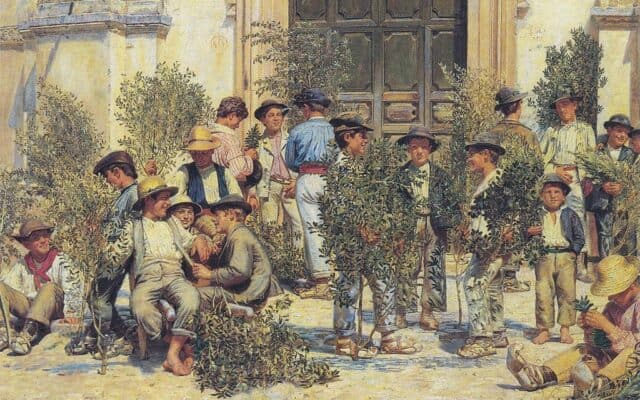
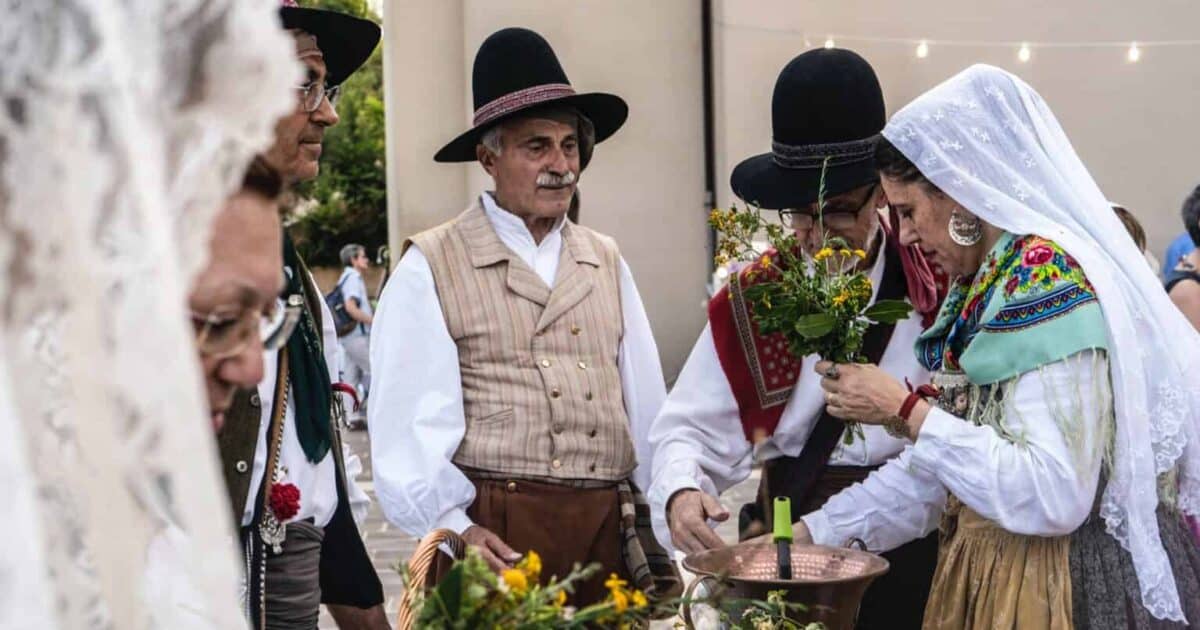
In Abruzzo, the 24th of June was when people chose a second family. This tradition, called lu cumbare a fiur or the flower-friend comparatico, created a lifelong bond of mutual help, sealed with a bunch of wild flowers.
These days, we often talk about going backwards, as if there is nowhere else to go. But here is an old idea that is worth keeping.
On the night of San Giovanni, the 24th of June, Abruzzesi did more than gather walnuts and bottle the dew. They chose family. Not the family you are born into, but one you pick. A person you trusted and admired was offered lu ramajette, a posy of nine wildflowers, and with it a question: Will you be my compare, my commare, for life? If they accepted, they sent a fuller bouquet back a few days later, and the bond was sealed.
They were called compare and commare, the same words as godfather and godmother, but this was a different bond: no child, no church, just two equals who chose each other.
This was lu cumbare a fiur, the flower friend. Unlike a christening, where families usually chose the godparent, this was your own choice, made with intention and seen as sacred. People believed it was a bond even stronger than family ties.
It was also, in its own way, a kind of welfare. In a farming world without insurance or government support, your flower friend was your safety net. The tradition even had a name for this: lu scagna ajute, meaning the exchange of help. People worked together at harvest, helped each other with tough jobs, and stood by one another during illness or hard times. In some hill villages, the bond spread as each new friend passed a bouquet to someone else, connecting whole parts of the valley with flowers.
This instinct is older than the saint’s day. It goes back to the summer solstice, when surviving the year depended on knowing who would help you. Even if the flowers did not cross the ocean, the idea did. In Italian neighbourhoods in America, the compare and commare became a chosen family, the people you turned to when you had no relatives nearby and no government support.
Every midsummer, as the sun reached its highest point, people set aside this time to renew these bonds or to find support they might soon need.
Back home, this was never just one village’s tradition. You could find it all over Abruzzo: in Atri, Mutignano, and Torricella Sicura in the Teramo hills; in Pianella in Pescara; in Guardiagrele below the Maiella; in Montalfano near Vasto; and as far inland as Pescina in the Marsica, where two people sealed the bond by washing each other’s faces in the river Giovenco instead of using flowers. In some of these towns, young people have started the tradition again. A custom based on remembering others is, fittingly, still remembered.
Children had their own version, which was simpler and maybe the most genuine. There were no flowers or gifts. Two children just linked their little fingers, said a short rhyme, and that was it, they were friends for life.
Taking care of each other was never a sign of weakness. It was always the plan.
More San Giovanni Rites

Author: Sam Dunham
Sam is a freelance SEO content creator and IGCSE Geography and English teacher in Rome. She also runs the Life In Abruzzo Cultural Association, sharing stories and insights about this captivating region. Alongside raising a teenager, Sam hosts guests at her family’s traditional home, the Little House of the Firefly in Abruzzo, offering a warm welcome and insider tips on local culture, food, and hidden gems.