In Abruzzo, early December nights are lit by bonfires and torchlit processions. These are more than festive events; they are rituals of devotion connected to the Feast of the Immaculate Conception, the legend of the Flying House of the Madonna, and even older seasonal traditions. From the Apennine mountains to the Adriatic coast, these vigils mix spiritual, cultural, and agricultural meanings, all centred around fire.
Feast of the Immaculate Conception: 8th December
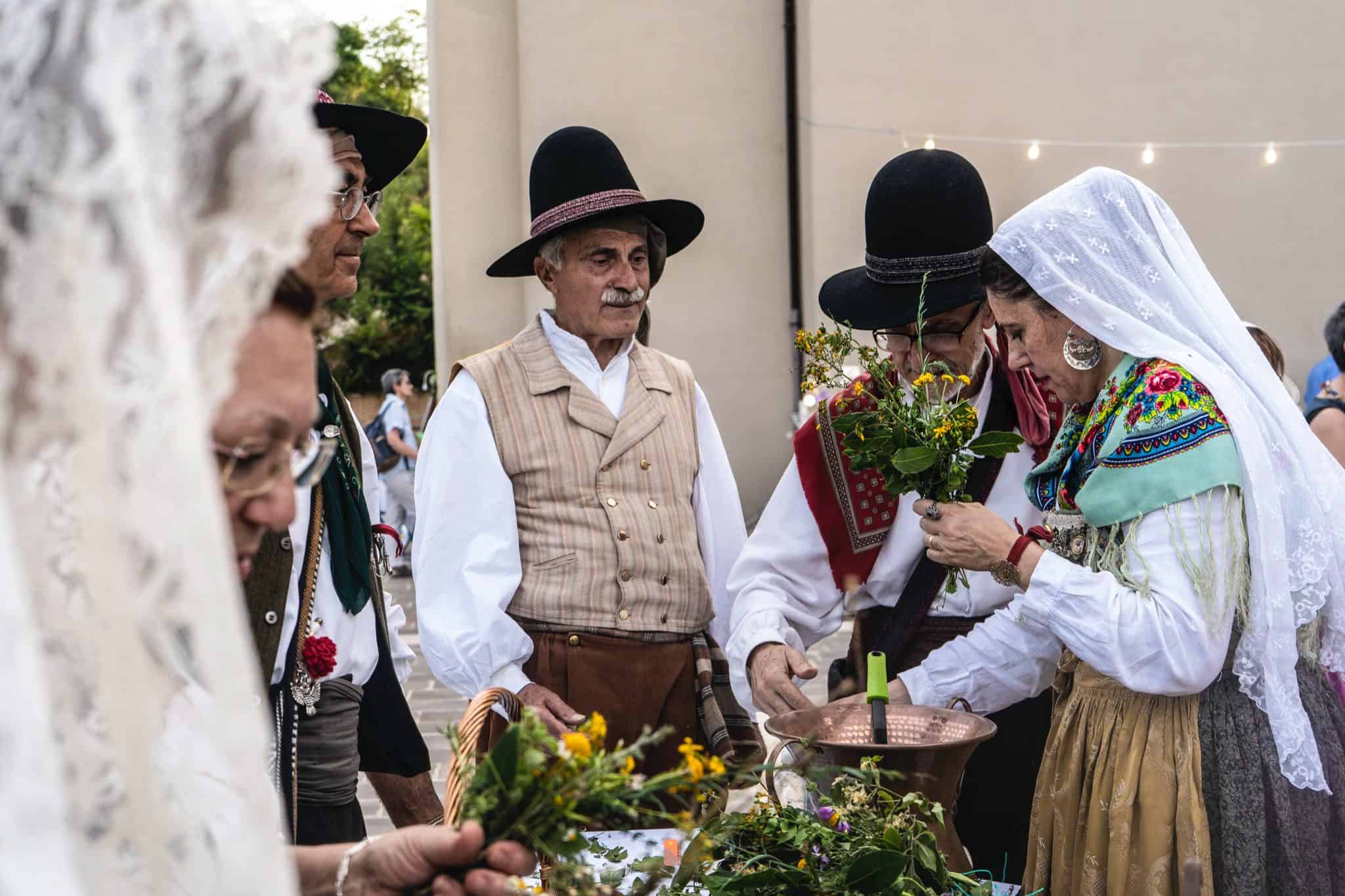
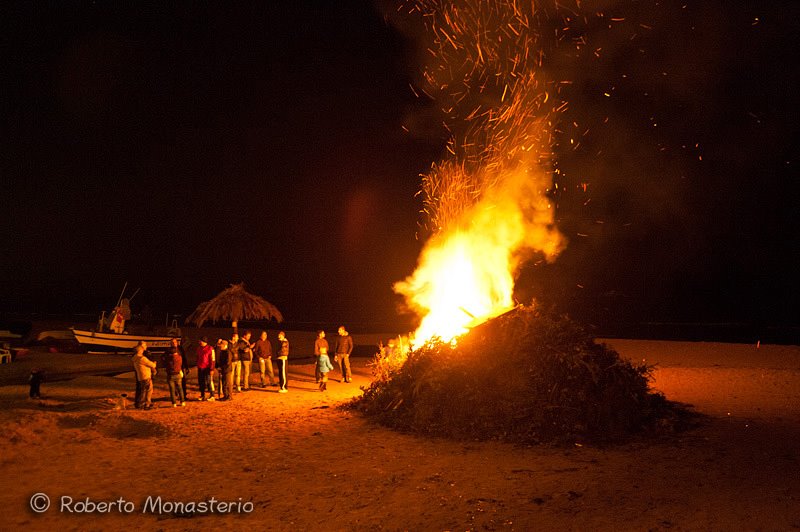
The most celebrated of these events is the Immaculate Conception on December 8. On the night of December 7, villages light fires as part of the vigil, a Catholic tradition where people prepare for a major feast the evening before. In Abruzzo, this is done with great warmth and style. Atri hosts the famous pre-dawn procession of burning reed torches called li faugni. Towns like Francavilla al Mare and Ortona light bonfires known as lu fucaracce, while mountain communities such as Cansano and Celano gather around large communal fires to honour the Virgin.

The Flying House of Loreto: 10th December
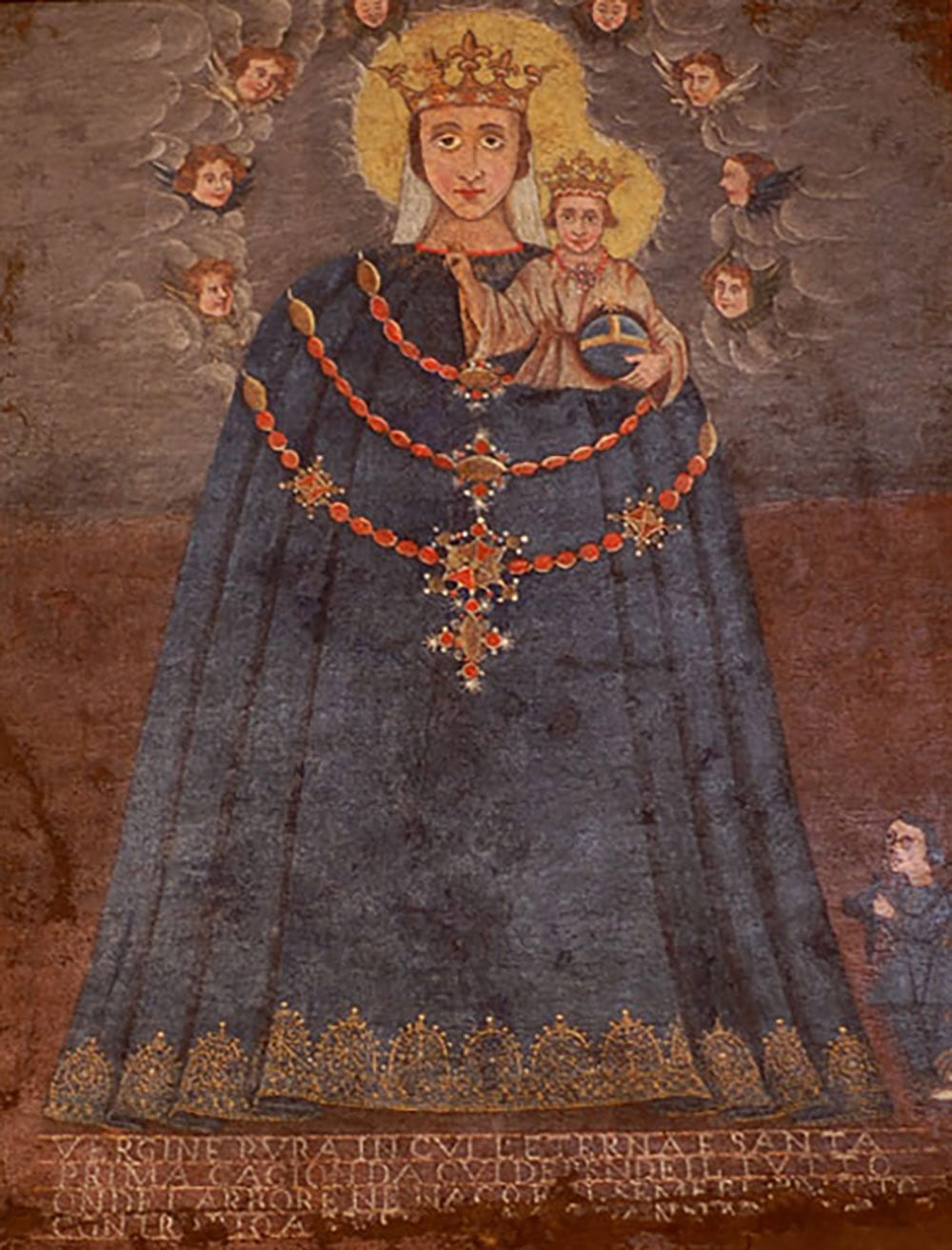
The Feast of Our Lady of Loreto, created in 1920, remembers the miraculous journey of Mary’s house from Nazareth to Loreto. In some coastal areas of Abruzzo, people held fire vigils on December 9 to guide the angels carrying the Holy House. In Catholic tradition, a vigil is the night before a feast day, marked by acts like lighting fires or praying. The meanings may differ, but fire always plays a central role during these dark, hopeful nights in early December.
Layered Time: Fire Vigils, Loreto, and the Power of 40 Days
The fires lit in Abruzzo in early December, from the Immaculate Conception to Our Lady of Loreto, happen about 40 days after Halloween, which marked the start of winter in ancient times. In Christianity, the number 40 stands for transformation and preparation. Jesus fasted for 40 days, and Lent lasts 40 days before Easter. In older cultures, 40 days often meant the time between death and renewal, whether in farming, fertility rituals, or seasonal changes. While these Marian feasts seem fully Christian now, their timing follows a much older pattern: bringing light to darkness and marking the journey from the end to the beginning.
The Roman and Italic Layer: Adoption and Assimilation
When the Romans took over Abruzzo, which was then home to Italic tribes such as the Marsi, Vestini, and Peligni, between the 4th and 1st centuries BCE, they brought their own calendar and gods but often incorporated local beliefs. Fire rituals for Italic goddesses such as Feronia, associated with fertility and purification, and Bona Dea (Good Goddess), protector of women and the earth, may have been shaped or continued under later Christian traditions.
The Roman festival of Bona Dea took place in early December, usually between December 3 and 5, with women-only ceremonies that involved purification, offerings, and the use of fire and light. In Abruzzo, especially among rural women, traces of these customs may have blended with later Marian vigils. The repeated use of sacred fires during these early winter days underscores the importance of the symbols of light, cleansing, and feminine protection in the region’s traditions.
Why Fire? Why Now?
Whether as a sacred light for the Virgin, a guide for angels, or a cleansing ritual for the dark season, fire in early December connects centuries of belief. These vigils mark a turning point toward the winter solstice and the hope of rebirth. The Christian feasts may give new meaning, but the deep attraction to fire in the darkness stays the same.
Today’s Fire Vigils in Abruzzo
7th December (Vigil of the Immaculate Conception):
- Atri (TE) – Li Faugni, reed torch procession at dawn
- Francavilla al Mare (CH) – Focaracci, coastal bonfires with food and music
- Ortona (CH) – Lu Fucaracce, fires symbolising warmth for the Virgin and Child
- Cansano (AQ) – Santa Maria Cuncett’, communal fire with local food and music
- Celano (AQ) – Vigil fire, men and children stay at the fire, women pray in the church
- Campli (TE) – Bonfires and bells beginning Dec 9 night, 3 a.m. celebration
- Tollo (CH) – Night of Fires, local food, women-led traditions
- Lanciano (CH) – Bonfire at Santa Maria dei Mesi, traditional dishes
- Villa Romagnoli (Mozzagrogna, CH) – Lu fucaracchie de la Cuncezione, dusk fire with sausages, sweets, and wine
- Montebello sul Sangro (CH) – Immacolata bonfire
- San Giovanni Teatino (CH) – Bonfires in districts, musical greetings
- San Giuliano Teatino (CH) – Similar to San Giovanni, community fires and songs
- Palombaro (CH) – Fire in front of Madonnella church
- Orsogna (CH) – Focaraccio in Piazza Mazzini
- Pescasseroli (AQ) – Fire and trcnell sweets at Piazza San Pietro
December 9 (Vigil of the Feast of Loreto):
- Torino di Sangro (CH) – Torchlight procession to Madonna of Loreto, dawn Mattinate chants and fire
Closing Thought
In the glow of December’s flames, we see both devotion and the endurance of ancient traditions. Each bonfire holds a story made up of Christian, Roman, and pagan layers, all joined by the fire that burns, warms, and makes way for the return of light through a goddess watching over winter, a community circling the fire, a flame passed from hand to hand, a cultural history to a prayer.
Roman Influence in Abruzzo – A Brief Timeline
- ~290 BCE – Romans conquer the Italic tribes in Abruzzo during the Samnite Wars
- 91–88 BCE – The Social War: Italic peoples, including the Marsi, demand Roman citizenship
- 1st century BCE–4th century CE – Full Romanisation: religion, roads, festivals, and cities like Amiternum, Alba Fucens, and Aveia thrive
- 4th–5th century CE onward – Christianity spreads, absorbing pagan fire rituals into new religious calendars


Author: Sam Dunham
Sam is a freelance SEO content creator and IGCSE Geography and English teacher in Rome. She also runs the Life In Abruzzo Cultural Association, sharing stories and insights about this captivating region. Alongside raising a teenager, Sam hosts guests at her family’s traditional home, the Little House of the Firefly in Abruzzo, offering a warm welcome and insider tips on local culture, food, and hidden gems.