Venerdì santo marks the beginning of Easter processions, and Chieti is home to what is likely the most famous one.
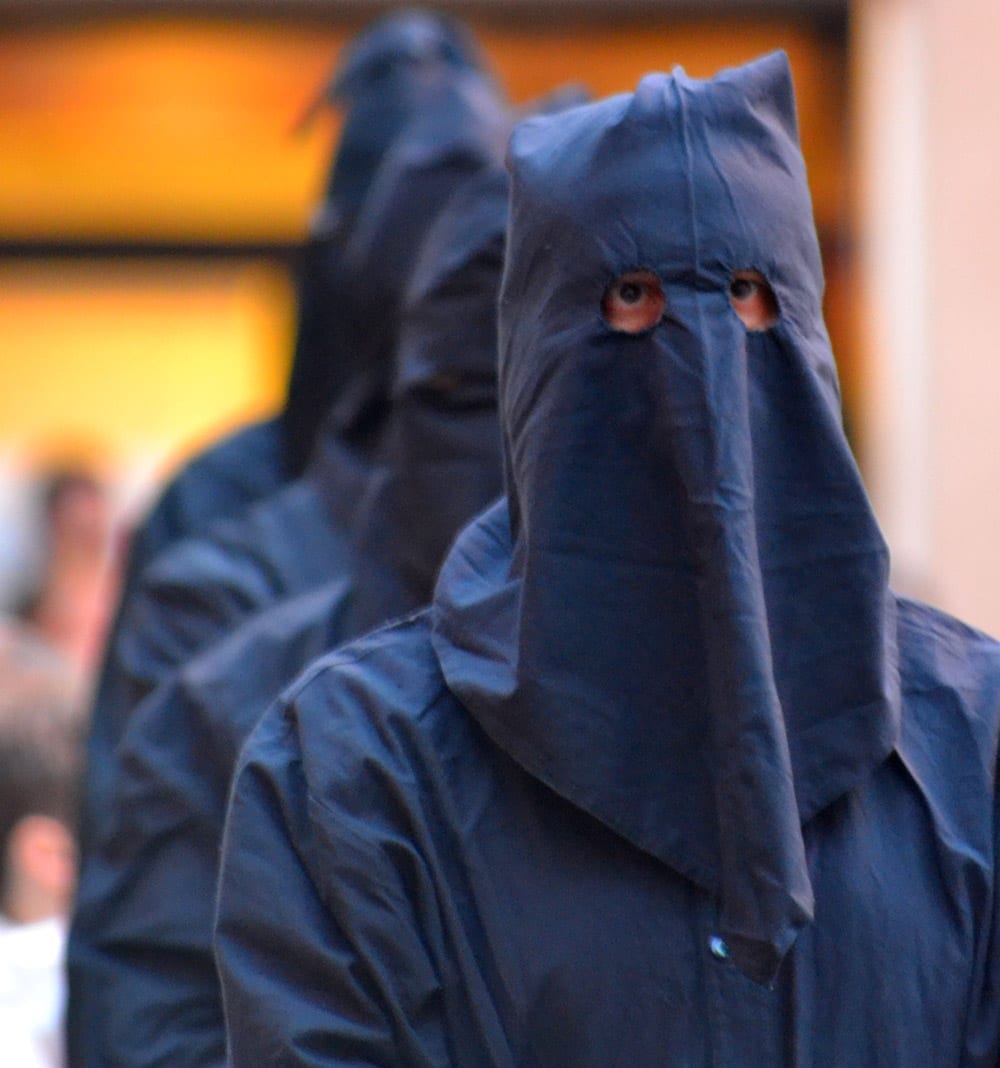
If you have seen Abruzzo’s Good Friday processions, you have noticed the hooded figures moving slowly through the torchlit streets. These are the cappucciati, members of local confraternities, and their hoods reveal the meaning behind the procession.
The word cappuccio simply means “hood” in Italian. It shares the same root as cappuccino, which was named after the brown hooded habit of the Capuchin friars.
But there is more to it. The hood serves three important purposes.
First, it protects personal grief. Whatever happens under the hood—prayers, mourning, or penance—remains between the wearer and God.
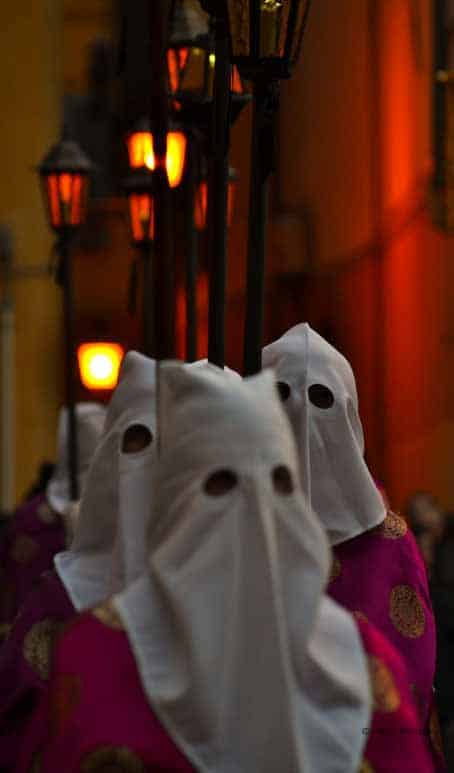
Second, it erases social rank. Under the hood, a nobleman and a labourer look the same. This tradition began in medieval Italy, when confraternities used the hood to break down the class divisions that shaped the rest of society.
Third, it follows scripture. Matthew 6 calls for anonymous penance and says not to perform your devotion for others to see. The hood puts this teaching into practice.
In Chieti, twelve confraternities walk together. Each group wears its own colour of robe, but everyone wears the same hood. The colours show who they are, but the hood reminds everyone that, on this night, those differences do not matter.
The Chieti procession began in 842 AD, making it one of the oldest continuous Easter processions in Italy. The hood has always been part of this tradition.

Author: Sam Dunham
Sam is a freelance SEO content creator and IGCSE Geography and English teacher in Rome. She also runs the Life In Abruzzo Cultural Association, sharing stories and insights about this captivating region. Alongside raising a teenager, Sam hosts guests at her family’s traditional home, the Little House of the Firefly in Abruzzo, offering a warm welcome and insider tips on local culture, food, and hidden gems.