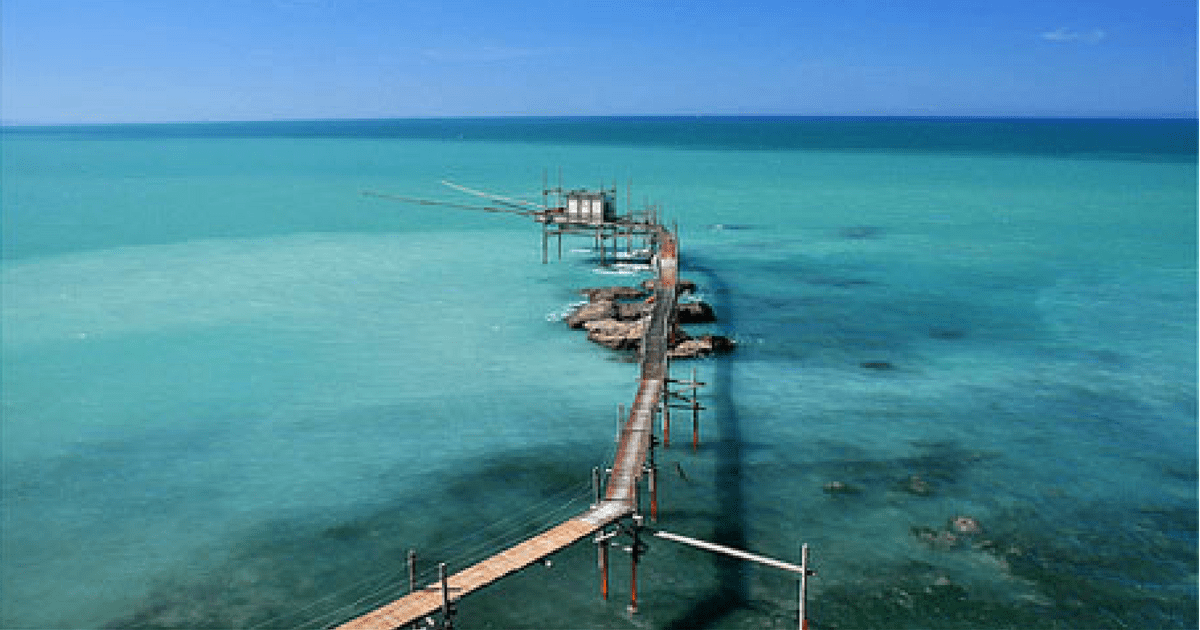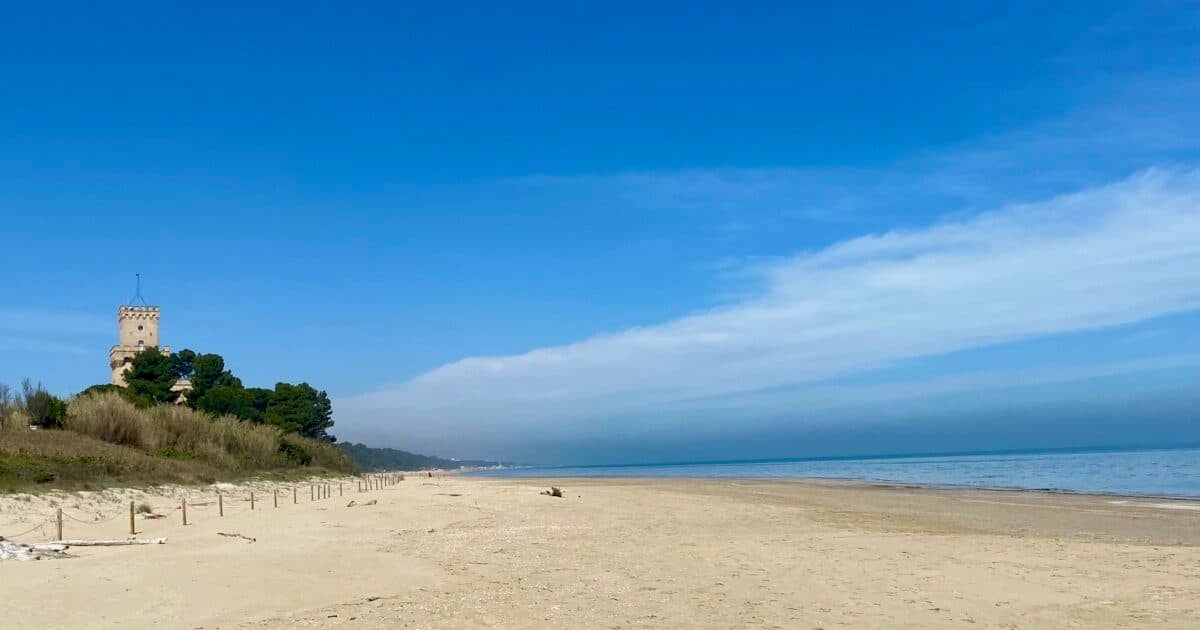
Torre del Cerrano © Sam Dunham
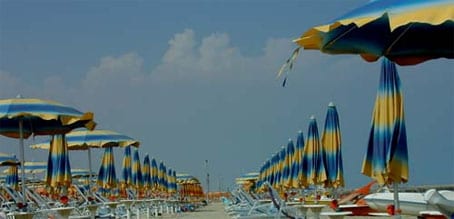
Going to the beach in Italy has become expensive. Renting a standard umbrella with two loungers at a beach club in Abruzzo costs between €22 and €38 per day during high season, depending on the location. For a family of four spending two weeks at the beach in July, the umbrella and loungers alone can add €350 to the high-end €700 total, excluding parking, food, and other expenses.
The good news is that some of Abruzzo’s best beaches are free, and some do accept dogs at certain times of the day, too. These beaches lie within the region’s coastal nature reserves, where volunteers help keep them clean. Crowds thin out once you walk past the main entrances. Most beaches still have parking nearby, but more towns are starting to charge, so bring a few euros for parking or register with an app like MooneyGo.
Here are the best spots to visit, listed from north to south.
Torre del Cerrano (Pineto and Silvi)
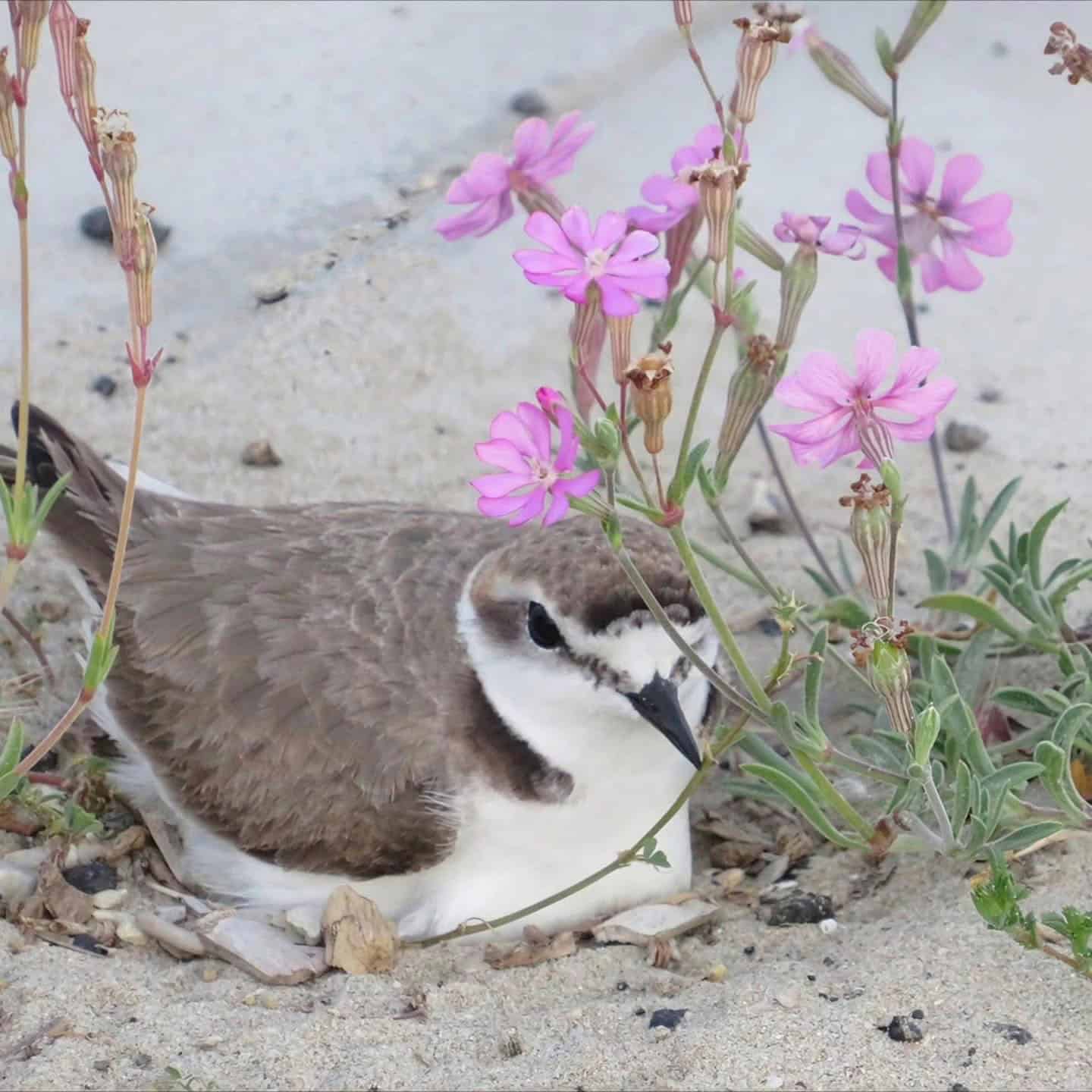
The protected marine area between Pineto and Silvi is considered the best free beach in Abruzzo. The dunes, backed by pine trees, are home to the Fratino, a small protected bird that nests on the sand from March to July. Local guides, WWF volunteers, and the coast guard help keep the area clean.
Parking near the medieval tower is managed by Cerrano Trade and costs €5 per day, including a guided visit to the tower. Weekly passes cost €20, and monthly passes cost €50. The beach stretches for kilometres in both directions and gets quieter the farther you walk from the main entrances.
Dog rules: Dogs are not allowed anywhere in the marine area from 1 March to 30 July. Starting 1 August, dogs can go on the shoreline on a leash, and they can swim only in designated areas outside lifeguard hours.
Riserva del Borsacchio (Roseto degli Abruzzi)
Roseto’s reserve has changed a lot. In January 2024, the regional council reduced its size from 1,100 hectares to just 24.7 hectares, a 98% cut. Local guides and WWF Abruzzo are still working to restore it. The easiest way to help is to visit and join volunteer-led walks.
The wild area between the old Lido d’Abruzzo Village and Cologna Spiaggia still has dunes and rare plants, like the sea lily and a 500-year-old olive tree near Cologna. The best parking is on the inland side, near the railway underpasses between the SS Adriatica and Montepagano hill, and it is still free there. The seafront has paid parking zones during the season.
Dog rules: In Roseto, dogs are allowed year-round on four free stretches: south of the Torrente Borsacchio, south of the pier, between the former Lido Mion and Lido Oasis, and south of the Cologna boat ramp. Dogs can swim from 7:30 to 9:00 am and 6:30 to 8:00 pm.
Riserva di Punta Aderci (Vasto)

Abruzzo’s first coastal reserve, created in 1998, runs for five kilometres from Punta Penna to the mouth of the Sinello river. Each of the four beaches inside has its own unique feel. Punta Penna is the easiest to reach and the most popular. Libertini and Punta Aderci need a walk down from the cliffs. Mottagrossa is the longest, wildest, and least crowded.
New for 2026: Parking at Punta Penna has been free for years, but the town announced paid parking will start this summer to help manage overcrowding. Exact prices and start date were still being decided at the end of May, so check the town website before you visit. The reserve’s walking paths are open all year and free to use.
Dog rules: Dogs are allowed on the reserve’s paths if they are on a leash, but only Mottagrossa beach allows dogs. The wider beaches in Vasto are governed by the 2025 local ordinance number 31, with an update for 2026 expected before mid-summer.
Riserva Lecceta di Torino di Sangro
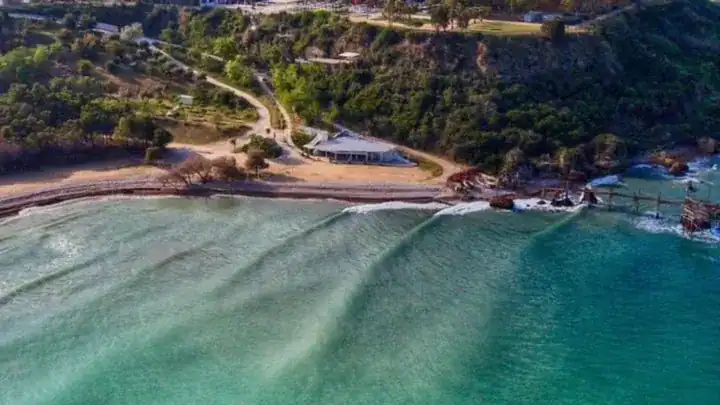
This 175-hectare forest of holm oak and Mediterranean scrub runs down to the sea and is known for its Hermann’s tortoise. You can reach the beach on foot from Le Morge or via the via verde cycle path. It is quiet, pebbly, and rarely crowded. Parking along the coastal road at Borgata Marina costs €2 per day from 8 am to 8 pm and is free after that and outside the main season.
A note for 2026: Storms in February caused major erosion at Punta Le Morge, covering the pebble beach near the trabocco and causing the mayor to close the access path. Check the town website before you go, as the beach might be closed for part of the season.
Dog rules: Dogs are not allowed on any free beaches in Torino di Sangro during the bathing season. There are two special dog areas outside the reserve: one is a 3,000-square-meter stretch at Borgata Marina near the Rotonda Ivan Graziani, and the other is at Lungomare Le Morge, about 130 meters north of the end of the polyvalent area. The reserve beach does not allow dogs during the season.
Ripari di Giobbe and Punta dell’Acquabella (Ortona)
These two small reserves north of Ortona protect some of the region’s most beautiful coastline. You can reach both on foot, with white pebble coves below 65-meter cliffs covered in Mediterranean scrub. Punta dell’Acquabella is the wilder spot, with a footpath down from the via verde. Ripari di Giobbe is next to a campsite with the same name.
The small parking lot on the promontory above Ripari di Giobbe is still free, but check before you go, as the public wooden stairs down to the beach have experienced erosion and missing safety barriers. Some visitors found the stairs closed at the start of recent seasons, with the only other way down through the camping village, which charges for foot access. The Acquabella footpath from the via verde is usually a more reliable way to reach the beach.
If you want a sure dog-friendly option in Ortona, the town runs a dedicated Bau beach near the mouth of the Arielli river. Parking along Ortona’s coast is paid from 1 June to 15 September, including at Arielli, Lido Riccio, and Lido Saraceni, with a 20% discount for Ortona residents.
What to Bring, and What to Watch for
A reusable parasol from Decathlon costs about €25 and will save you money from your first beach day. Bring water because there are no bars or kiosks inside the reserves. Take a rubbish bag since bins are not always available. Wear closed shoes for the paths at Punta Aderci, Acquabella, and Ripari di Giobbe.
A note for dog owners: Free beaches that allow dogs can have debris left behind after busy weekends or beach barbecues. Watch what your dog sniffs, as common hazards include chicken bones, fish hooks near river mouths, and broken glass. Storms can also wash up dead fish, which dogs love but should not eat.
One last tip: The 2026 beach ordinance requires all beach clubs to offer free drinking water and free foot-washing stations. You do not have to be a paying customer to use the foot-washing area at the nearest lido on your way back to your car.

Alongside raising a teenager, Sam hosts guests at her family’s traditional home, the Little House of the Firefly in Abruzzo, offering a warm welcome and insider tips on local culture, food, and hidden gems.

Author: Sam Dunham
Sam is a freelance SEO content creator and IGCSE Geography and English teacher in Rome. She also runs the Life In Abruzzo Cultural Association, sharing stories and insights about this captivating region. Alongside raising a teenager, Sam hosts guests at her family’s traditional home, the Little House of the Firefly in Abruzzo, offering a warm welcome and insider tips on local culture, food, and hidden gems.