One underrated perk of living in Abruzzo is how close we are to Rome. A couple of hours on the A24 or A25 puts the capital’s exhibitions within day-trip range, and some are worth every kilometre.
Yesterday I took one of my geography classes to From Seed to Food put on in the Circo Massimo by FAO, the UN’s Food and Agriculture Organisation. We saw innovation in agricultural water management and left having learned much more about the richness of our world. It was a fascinating visit, and the students learned more in a morning than a classroom could ever teach.
A few highlights: the Yemeni port of Mocha, which for centuries was the gateway for the world’s coffee trade and gave its name to mocha coffee and, eventually, Italy’s own moka pot. Jordan’s stand introduced us to samh, a desert succulent Bedouin communities ground into bread flour. It thrives in salty soil, needs very little water, is naturally gluten-free, and is now getting important attention in our climate emergency. In Oman, frankincense isn’t just for burning: people traditionally soak the resin in water and drink it to settle an upset stomach. Teas from every corner of the world were there, drunk for energy and strength, along with spectacular Iraqi dates and delectable chocolate, a flask of chocolate tea on the Cameroon stand, and Ecuador’s incredible chocolate, to name just a few.
Lunch came courtesy of the Algerian stand, which served everyone couscous. For me, it brought back memories of teaching in Sicily one early summer. Meanwhile, the students drifted over to a Korean noodle-cooking demonstration and couldn’t stop talking about how delicious it was: a whole new take on the brodo they know from home.
Our children are bombarded with grim headlines and anxious grown-ups. This exhibition gave them a chance to reach out, touch the world, and talk positively about the countries and people they met. It’s in its 2nd year, and the organisers hope to continue it next year.
World Food Day -16th October
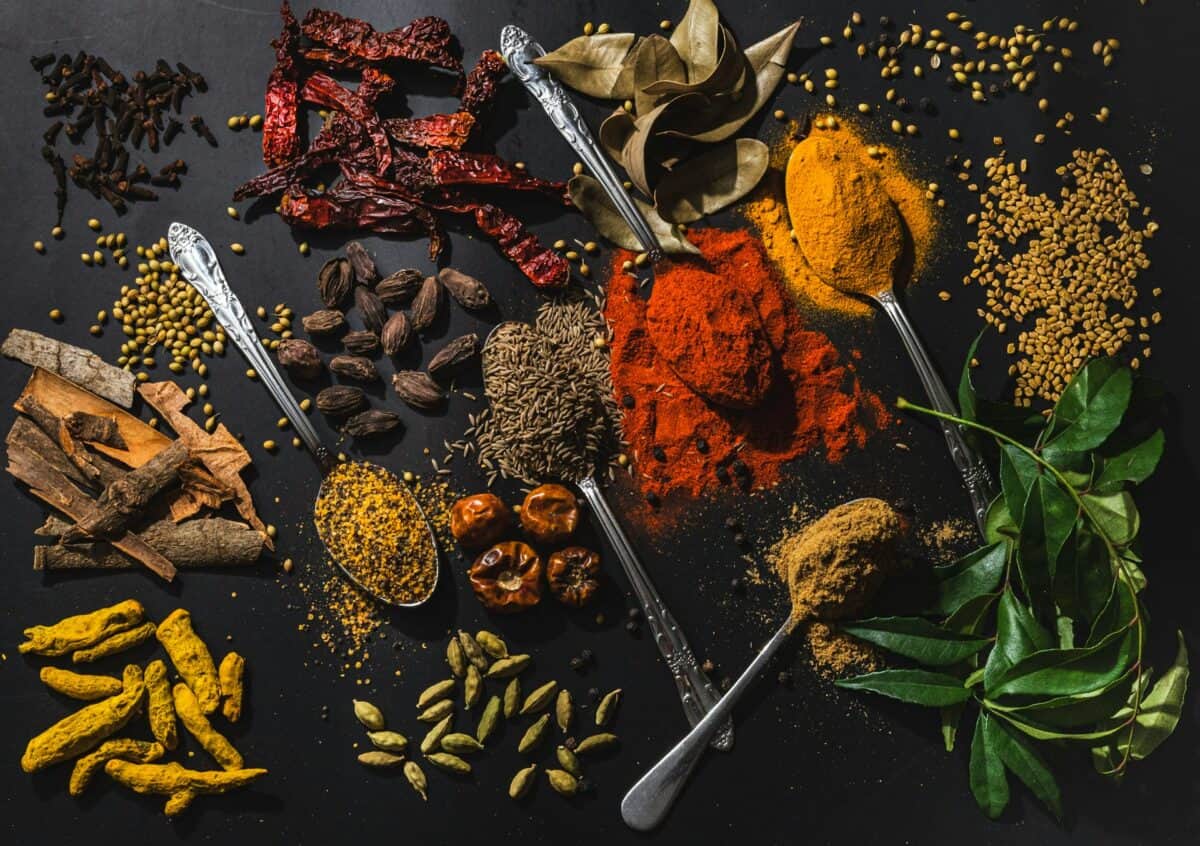
Italy has its own remarkable food diversity, which we’ve explored on the blog, along with how many of those products arrived here in the first place. But if you live in rural Italy, you don’t always get to taste food from further afield. For those of us who grew up with more than one cuisine at home, ethnic shops are a lifeline: spices and chillies, noodles, every kind of rice, fresh coriander, plantain, parsnips at Christmas or a bag of samosas for a quick snack.
“Ethnic” has picked up some negative baggage lately, but its true meaning is simple: relating to a group of people who share a cultural, national or linguistic heritage. An ethnic shop keeps a community’s food traditions alive and lets the rest of us share in them. These shops began for the people who keep Abruzzo running: the builders restoring our village houses, the farm workers picking our grapes, olives and vegetables, the kitchen staff washing up behind our favourite trattoria and the carers looking after our elderly neighbours. They are there for Argentinian and Venezuelan Italians who have returned, as well as Canadians, Americans, and Australians who grew up with more than 1 food culture. Food is integral to our happiness, and as much as I love Italian food, I like a change and sometimes comfort food from a place I used to call home.
International Food Stores in Abruzzo
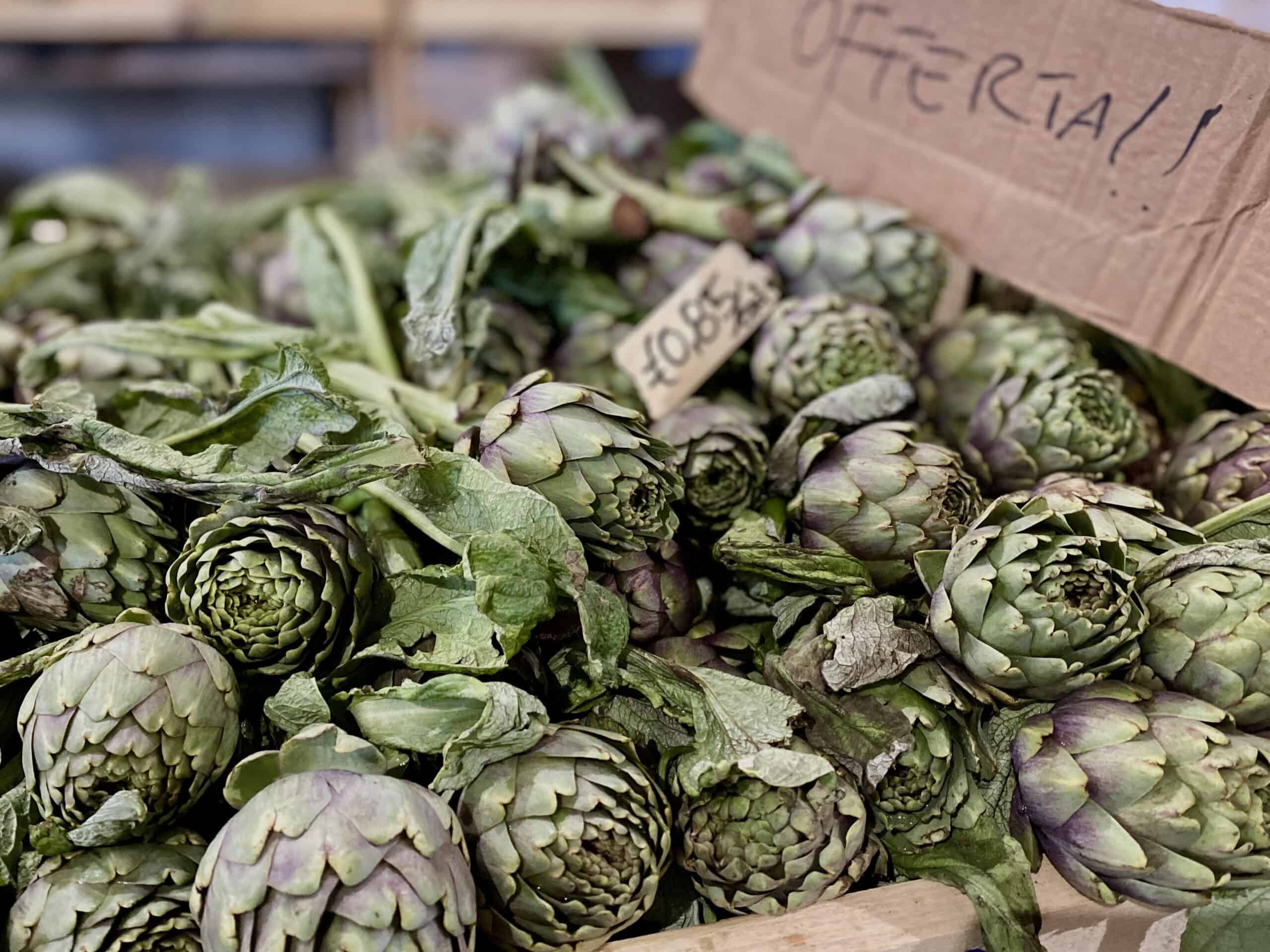
You won’t find everything you need in Abruzzo’s supermarkets, although their ranges are growing. What’s missing from the shelves is often found in Indian, African, Chinese, Polish, and Eastern European shops, to name a few. They’re also a good reason to put the laptop away. Instead of waiting days for a courier and paying for shipping, you can pick up fresh coriander, curry leaves, or a jar of pickles the same afternoon and support a local family business. Check them out and track them down!

Alongside raising a teenager, Sam hosts guests at her family’s traditional home, the Little House of the Firefly in Abruzzo, offering a warm welcome and insider tips on local culture, food, and hidden gems.

Author: Sam Dunham
Sam is a freelance SEO content creator and IGCSE Geography and English teacher in Rome. She also runs the Life In Abruzzo Cultural Association, sharing stories and insights about this captivating region. Alongside raising a teenager, Sam hosts guests at her family’s traditional home, the Little House of the Firefly in Abruzzo, offering a warm welcome and insider tips on local culture, food, and hidden gems.