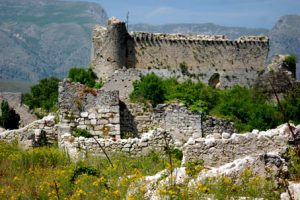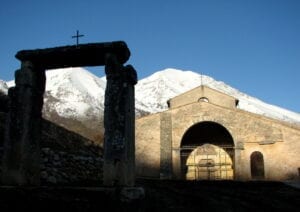
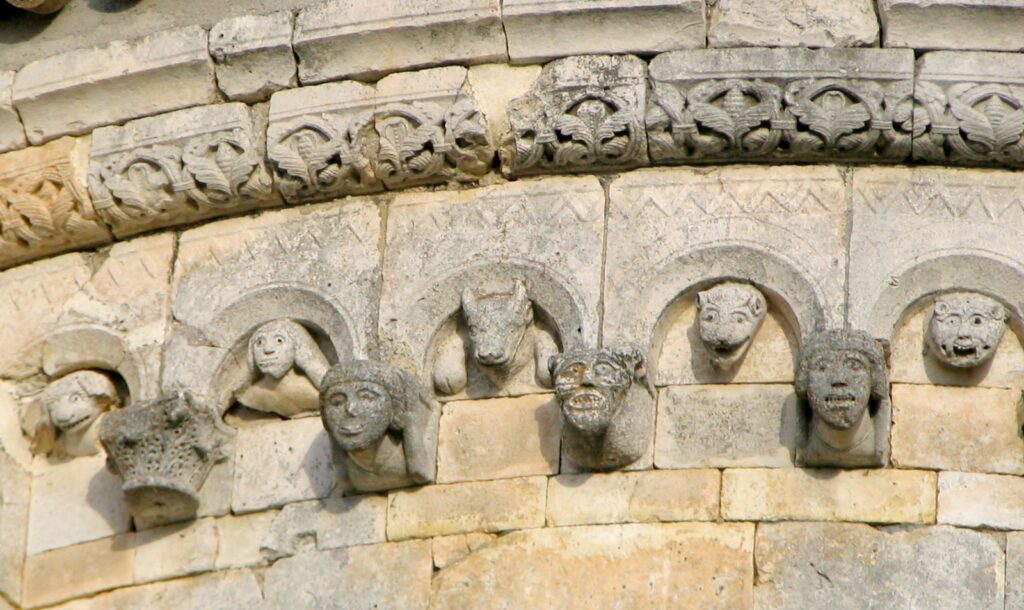
Perched at 865 metres above sea level amid the ruins of the ancient Roman town of Alba Fucens, the Church of San Pietro d’Albe is a shining example of Abruzzo’s enchanting fusion of natural splendour, ancient history, and spiritual heritage. It’s the kind of place that makes you feel as if you’ve stepped into a painting—one where every stone, column, and view whispers stories of gods, monks, emperors, and earthquakes.
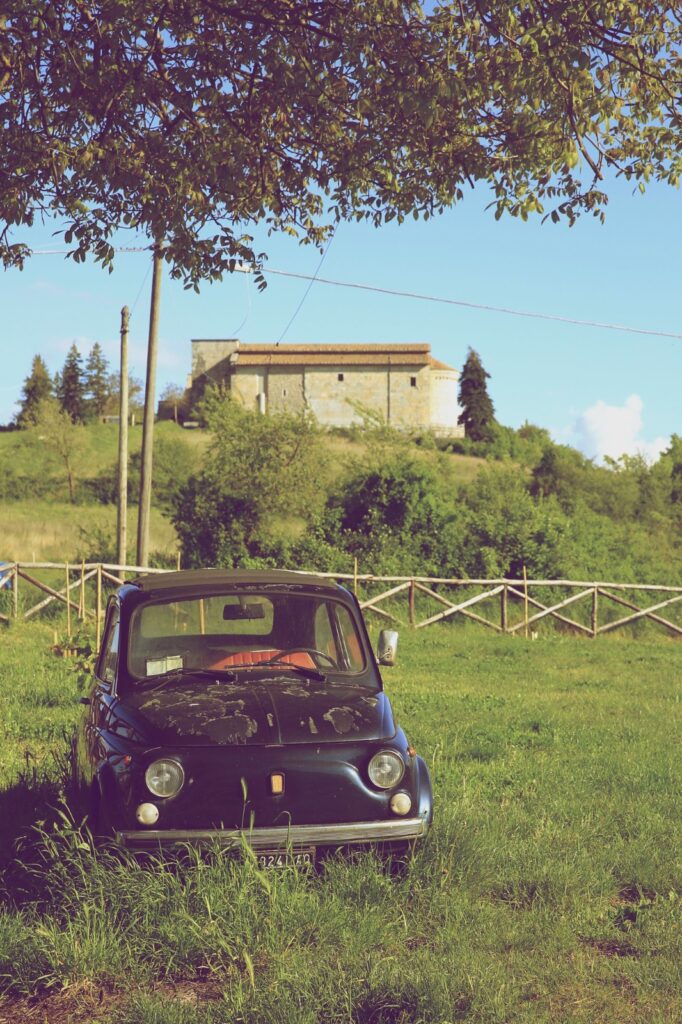
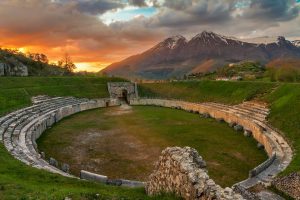
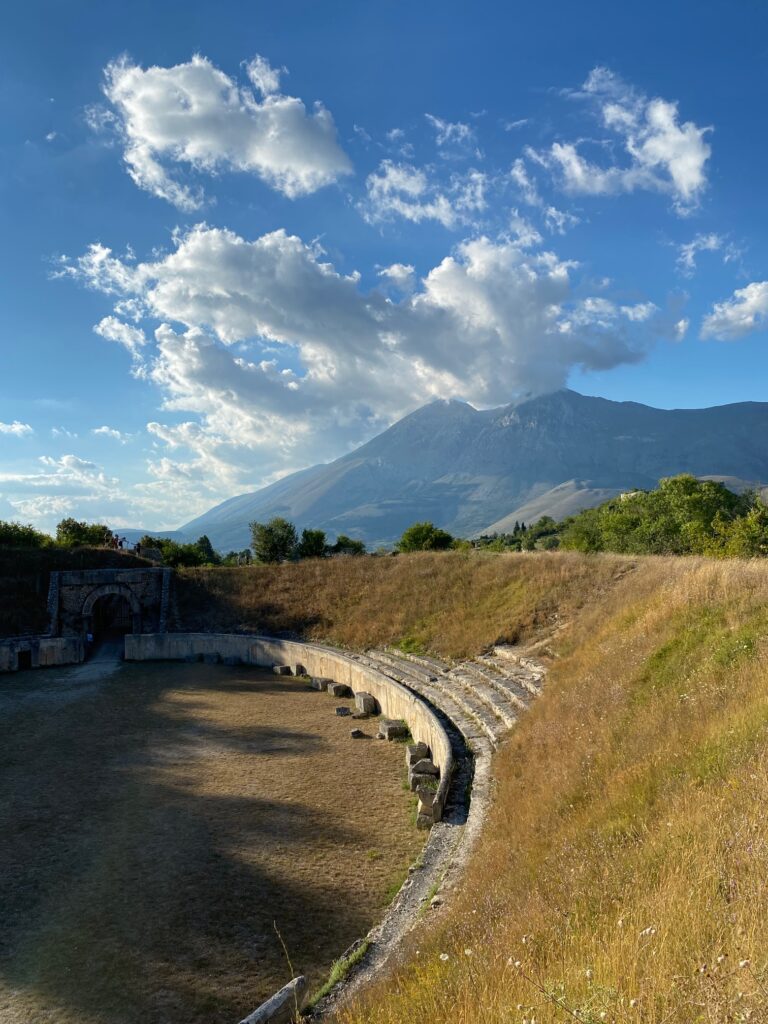
Here, sweeping 360-degree views unfold like a living diorama. Gaze north to the medieval hamlet of Albe and the craggy peaks of the Velino mountains, guardians of the past, rising watchfully above the ruins. To the east, the perfectly ordered remnants of Alba Fucens – a Roman military colony founded in 303 BC – spread across clover-strewn fields. These once-bustling streets, where over 6,000 Roman citizens walked, were originally home to the Aequi and later the Marsi people who called their town Fucentia.
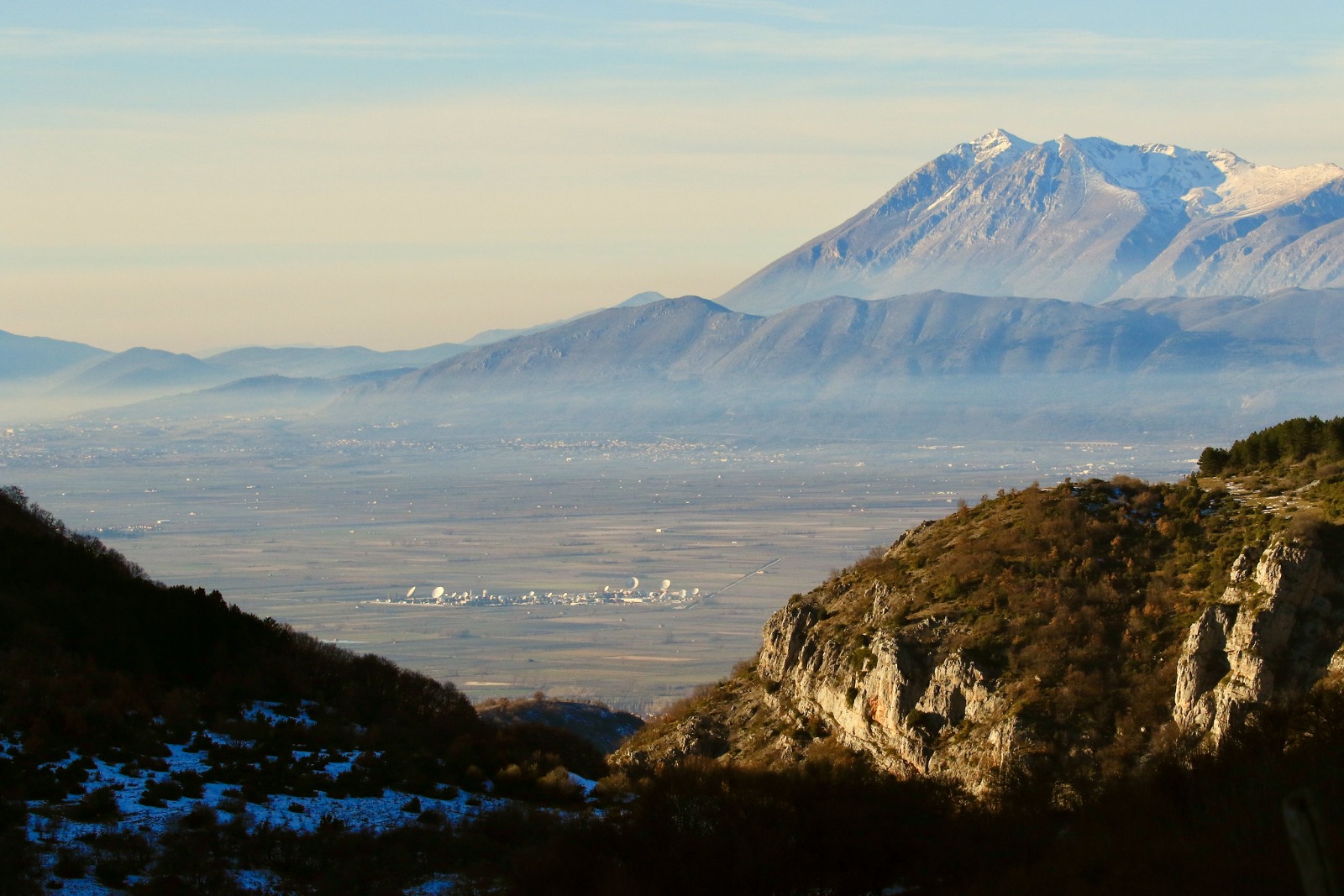
Turn south, and the scene changes dramatically. The modern city of Avezzano sprawls across what was once Lake Fucino, Central Italy’s largest inland body of water until it was drained in 1878 by Prince Alessandro Torlonia. The contrast is striking, flat plains replacing what were once shimmering waters. It’s easy to understand why ancient civilisations built temples and churches on this promontory. From here, dawn (alba in Italian) would have cast golden reflections across the lake, a divine spectacle that surely inspired reverence and trade with the Adriatic coast.
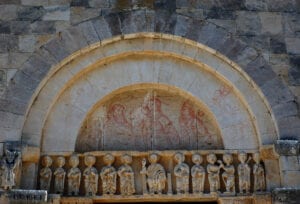
The church itself is layered with meaning. Once a temple dedicated to Apollo, it was later reimagined by Benedictine monks into a Romanesque church, cannily repurposing the finest columns and capitals from the Roman ruins nearby. San Pietro d’Albe remains the only church in Abruzzo where the nave, aisles, and high altar are divided by columns, testament to both architectural ingenuity and spiritual intent.

Over the centuries, the church evolved, gaining Baroque flourishes in the 18th century, only to be nearly lost in the devastating earthquake of 1915. Painstakingly restored in 1957 by Florence’s Office of Holy Stonework, the decision was made to strip it back to its Romanesque origins, reinforcing it with a hidden concrete cage to protect it from future tremors. During the restoration, archaeologists unearthed the original altar to Apollo, along with graffiti along the church walls, some dating back to the 2nd century BC, including a carved Roman boat.
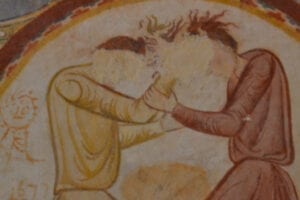
There are many treasures still within its walls. Look for the Cosmati columns—exquisite mosaics of polychrome marble and gold tesserae—as well as a particularly expressive relief of a scowling Martha supporting Lazarus, an early Romanesque gem full of human character.

When to go? Sunday is your best bet, when the local key-holder often sits outside, ready to unlock the past reward expected, and well-deserved.
Further Reading

Author: Sam Dunham
Sam is a freelance SEO content creator and IGCSE Geography and English teacher at Istituto Cristo Re in Rome. She also runs the Life In Abruzzo Cultural Association, sharing stories and insights about this captivating region.
Alongside raising a teenager, Sam hosts guests at her family’s traditional home, the Little House of the Firefly in Abruzzo, offering a warm welcome and insider tips on local culture, food, and hidden gems.