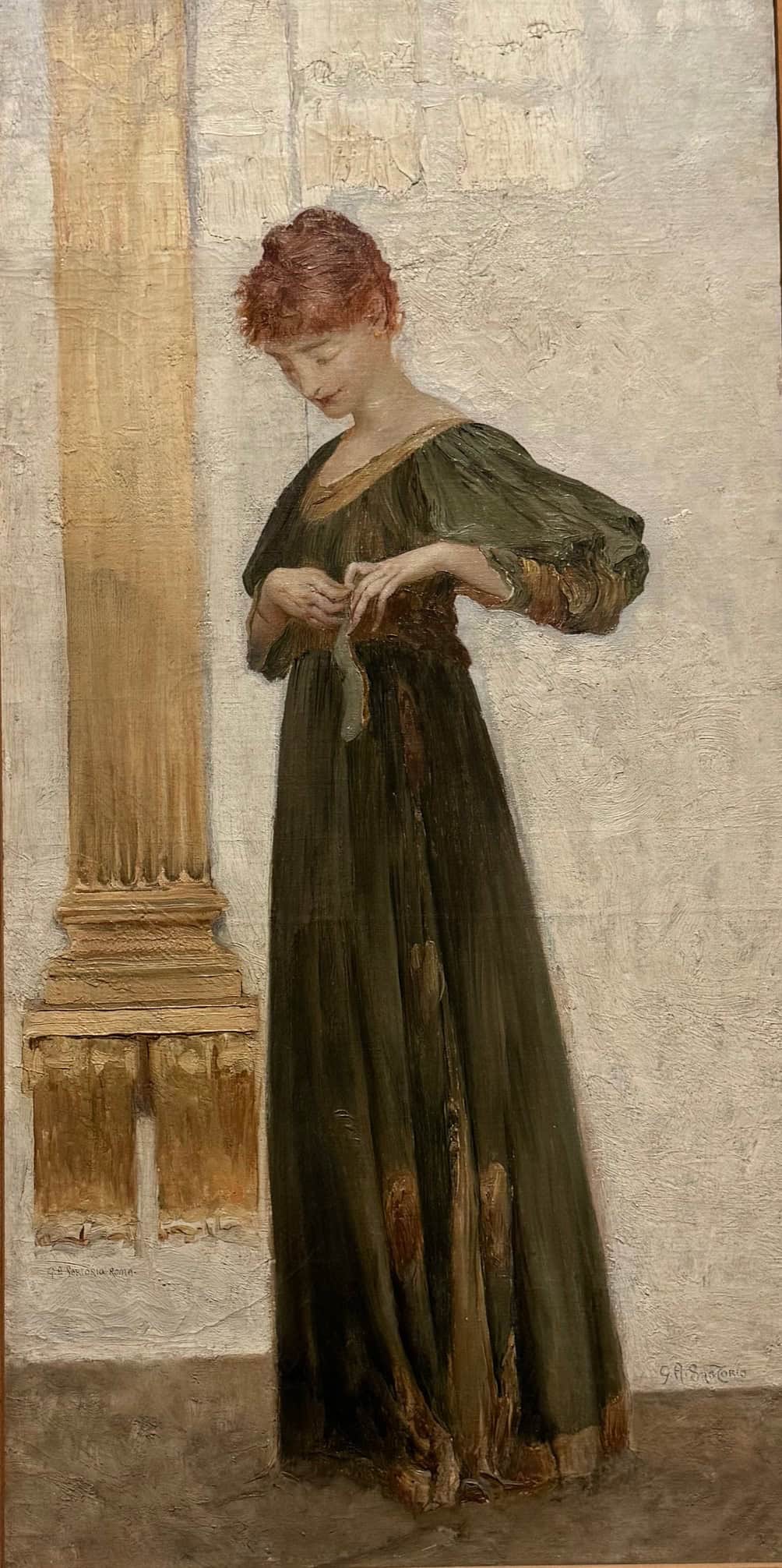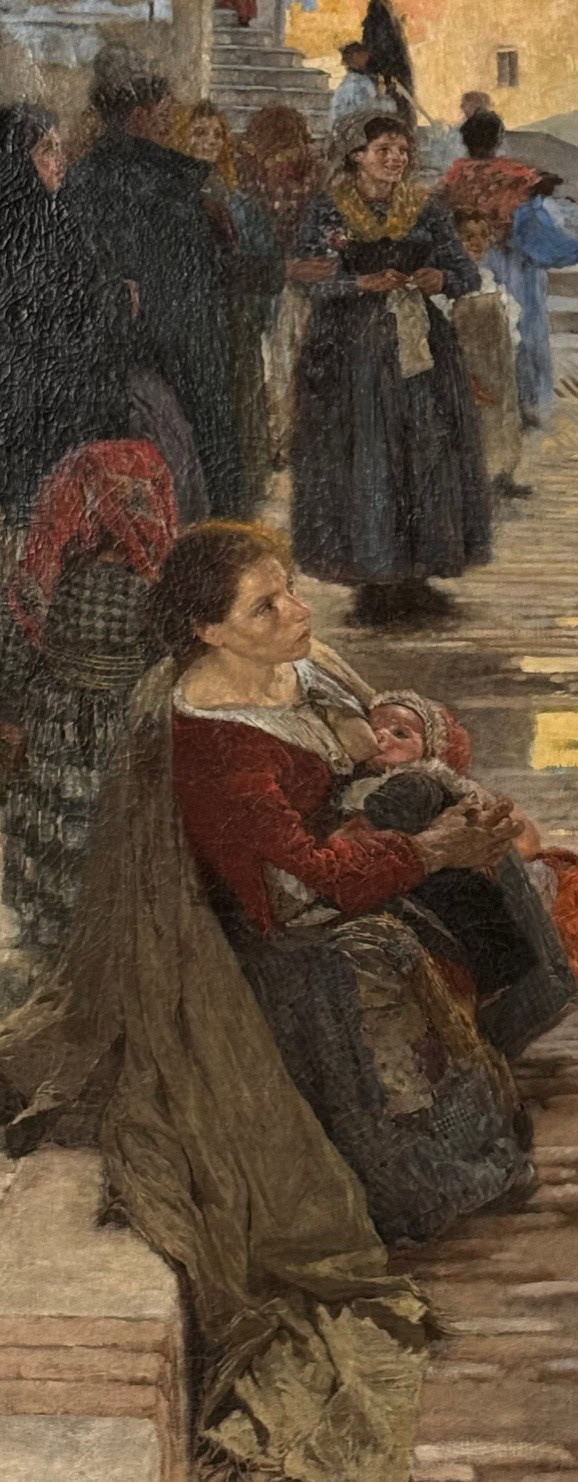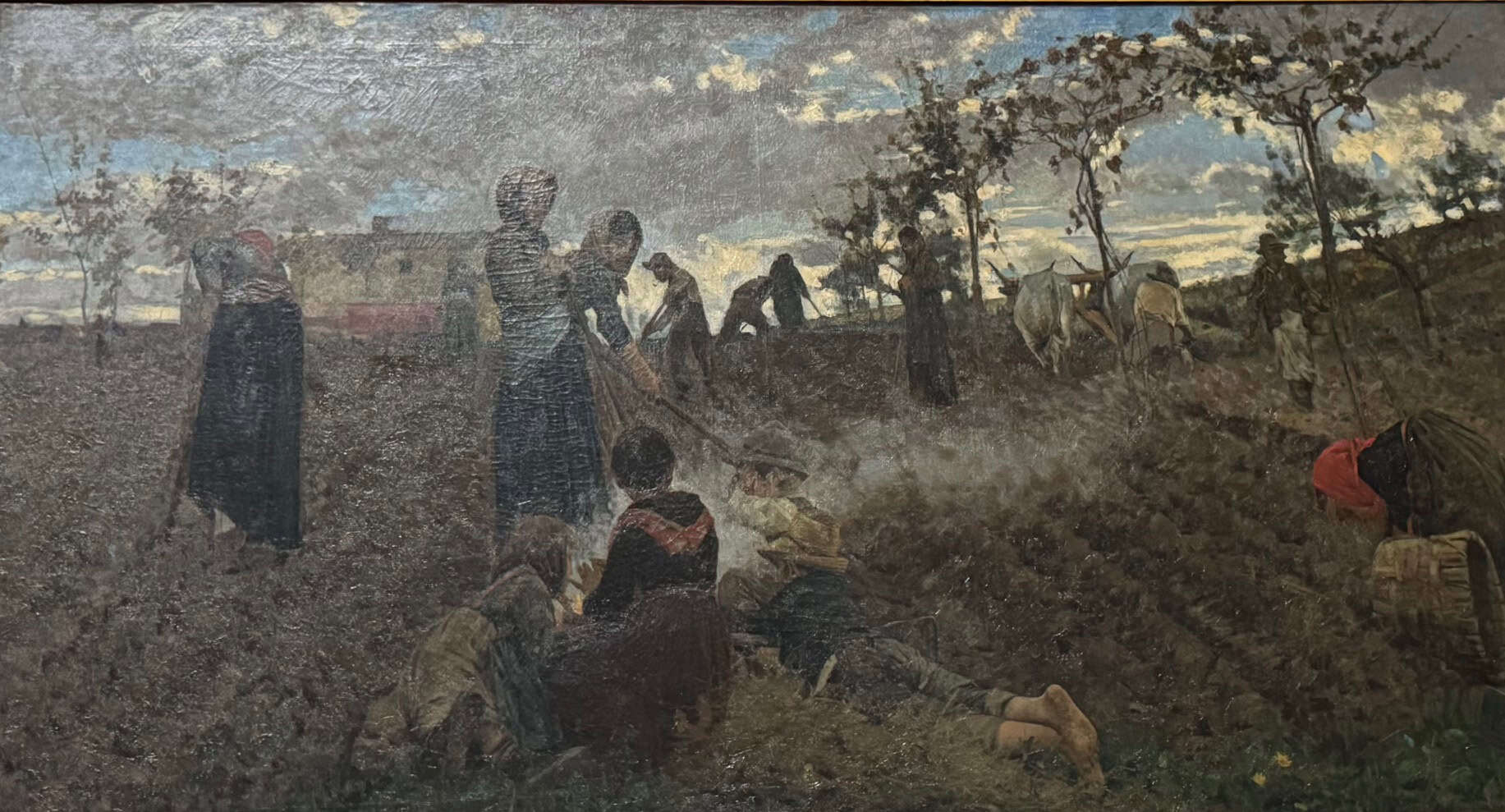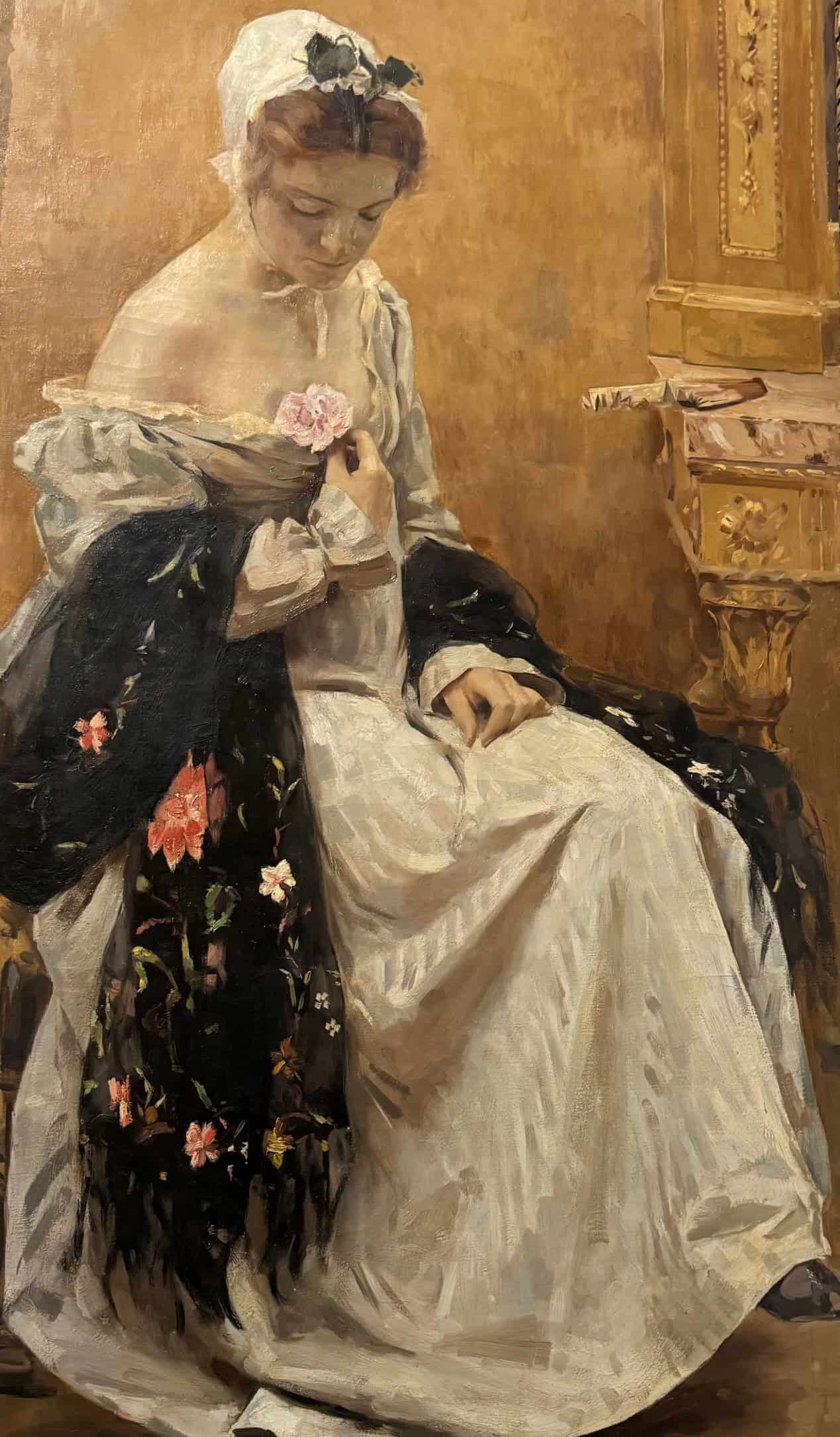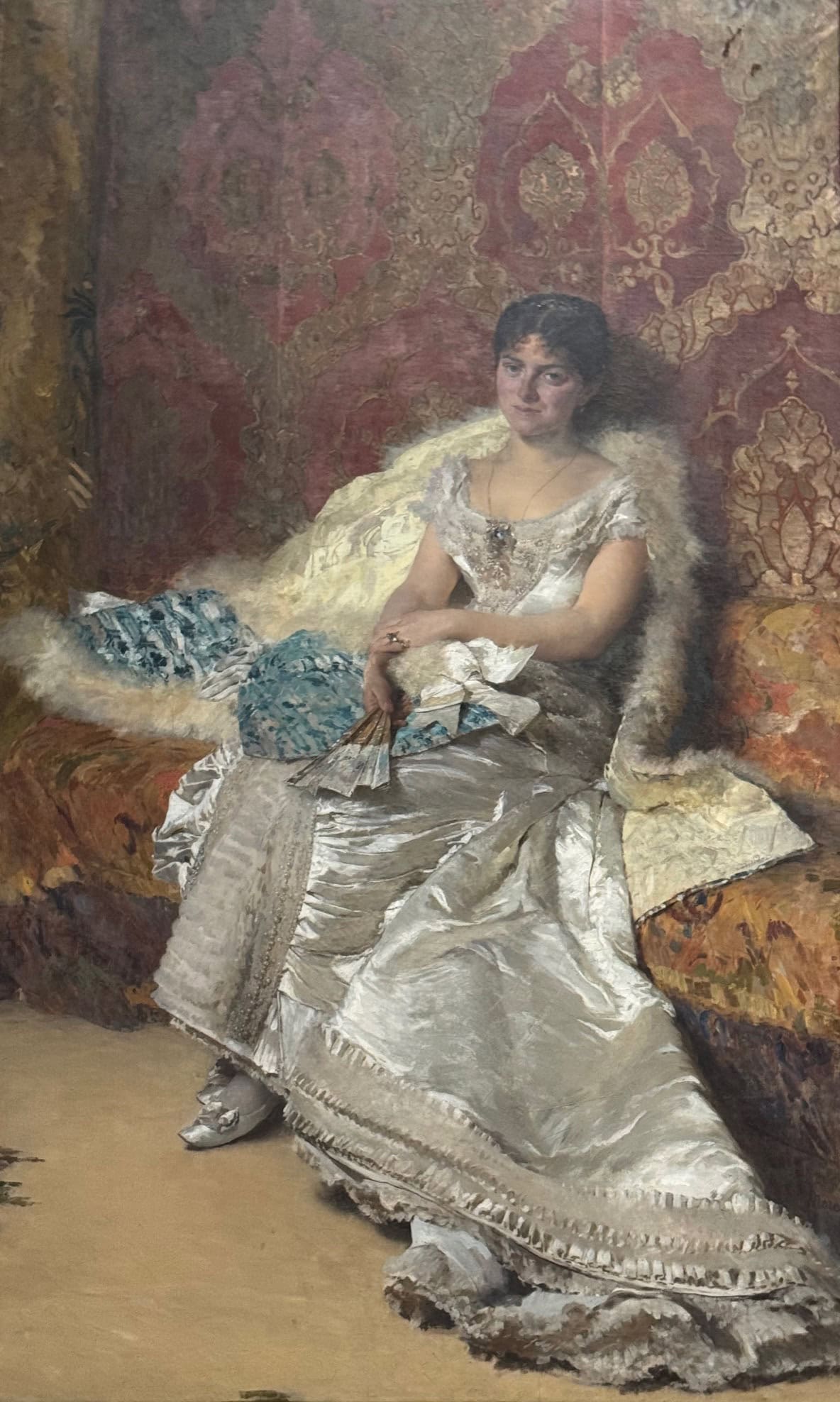
Some days in Rome, the rain feels like more than just weather; it can weigh you down. On one of those grey, wet afternoons, I slipped into the Galleria Nazionale d’Arte Moderna (GNAM), hoping the art would lift my mood. I expected some colour and light, but I was surprised by how much more I found.
Once inside, you don’t just see art, you feel surrounded by light and new thoughts. Among reminders of war and the rough edges of modernism, there’s one room that feels like stepping into another world. It washes away the heaviness of daily life and drops you unexpectedly into the dry, intense world of a 19th-century pilgrimage.
7 Metres of Blind Faith and Sciacquajje
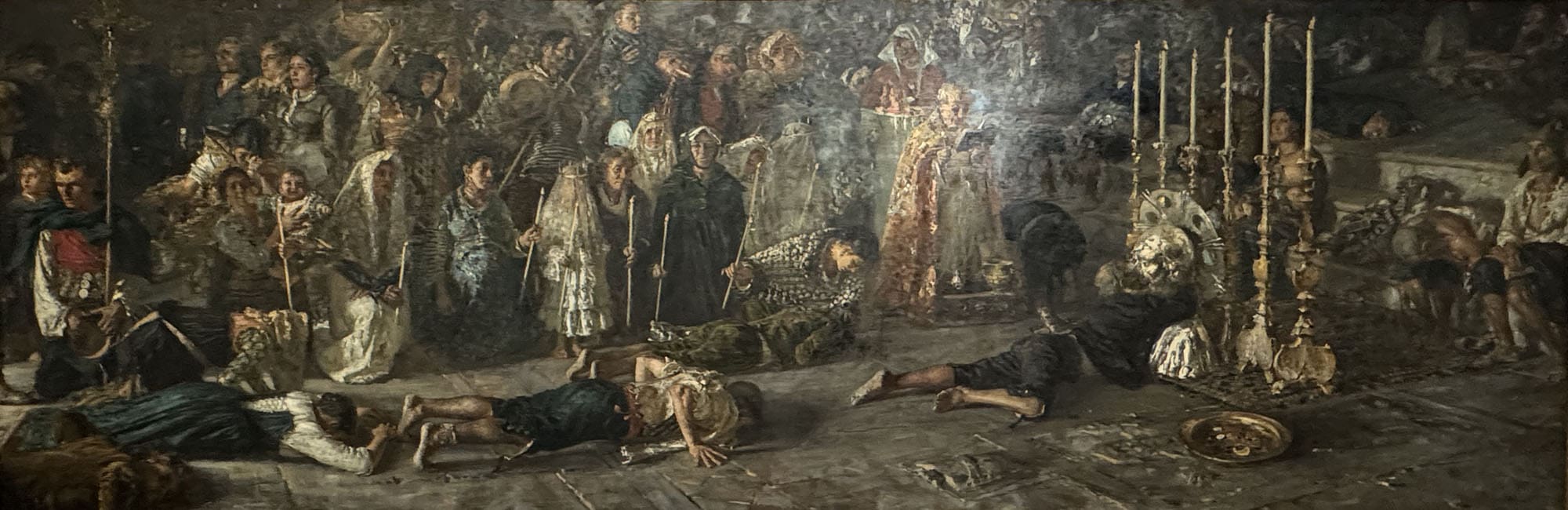
A whole room is dedicated to perhaps Abruzzo’s most famous artist, Francesco Paolo Michetti and his contemporaries. His magnum opus, Il Voto (The Vow, 1883), is a staggering portrayal of desperation, looking for hope and light from somewhere and giving thanks.
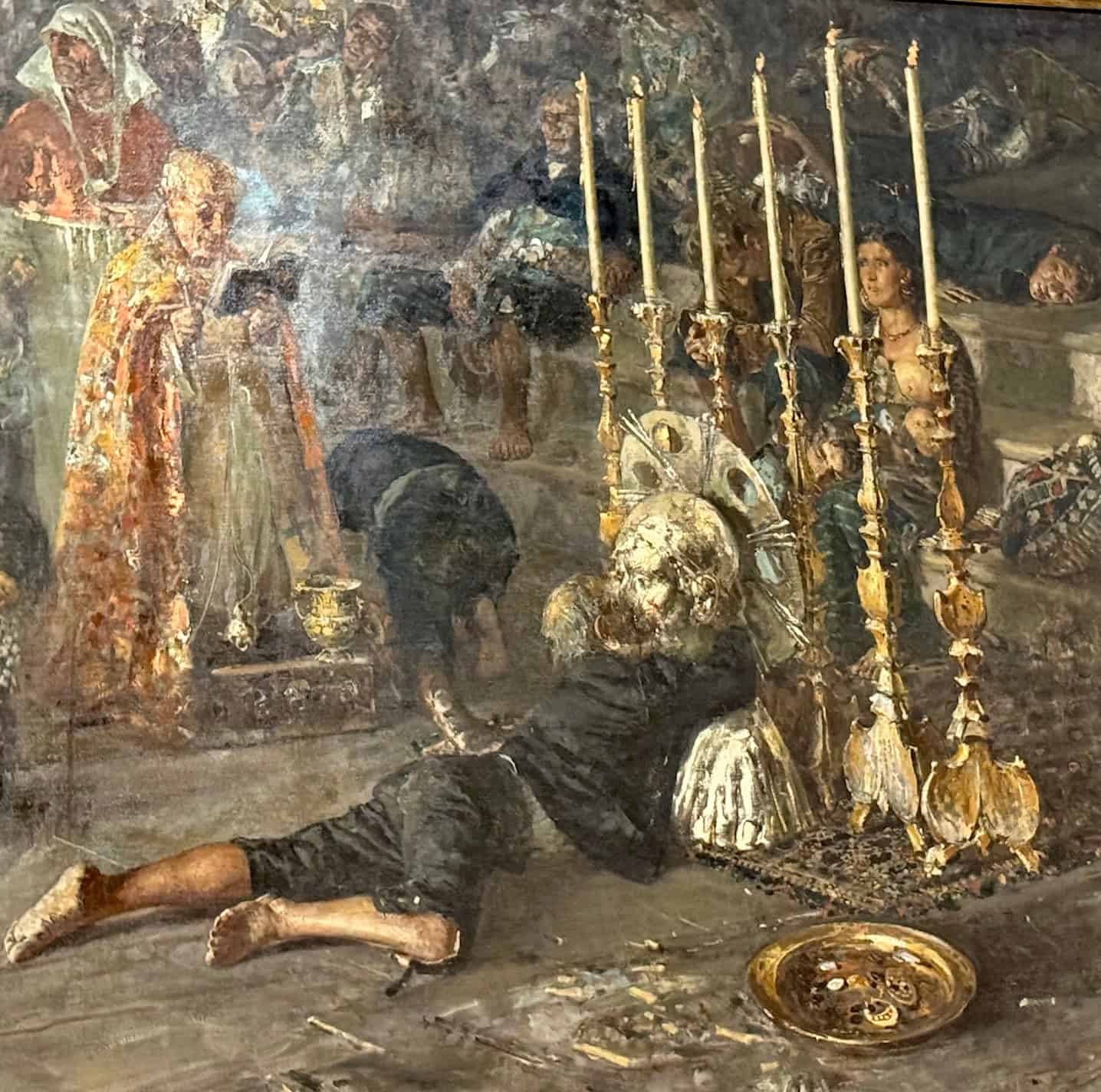
The painting captures a scene of real, intense devotion: pilgrims crawling on their hands and knees toward the silver bust of San Pantaleone in Miglianico (CH). You see them donating their last vestiges of wealth, specifically the Sciacquajje, the traditional, ornate gold hooped earrings of Abruzzo.
The earrings left in the bowl show a last desperate hope. What are they hoping for? Maybe better crops, a bit of food, forgiveness for wanting a better life and a boat ticket out of Italy, or just an alternative to what a harsh husband offered. Michetti lets us decide the reason, but the struggle is clear in the dirt on their clothes.
The Tongue as a Tool of Purification
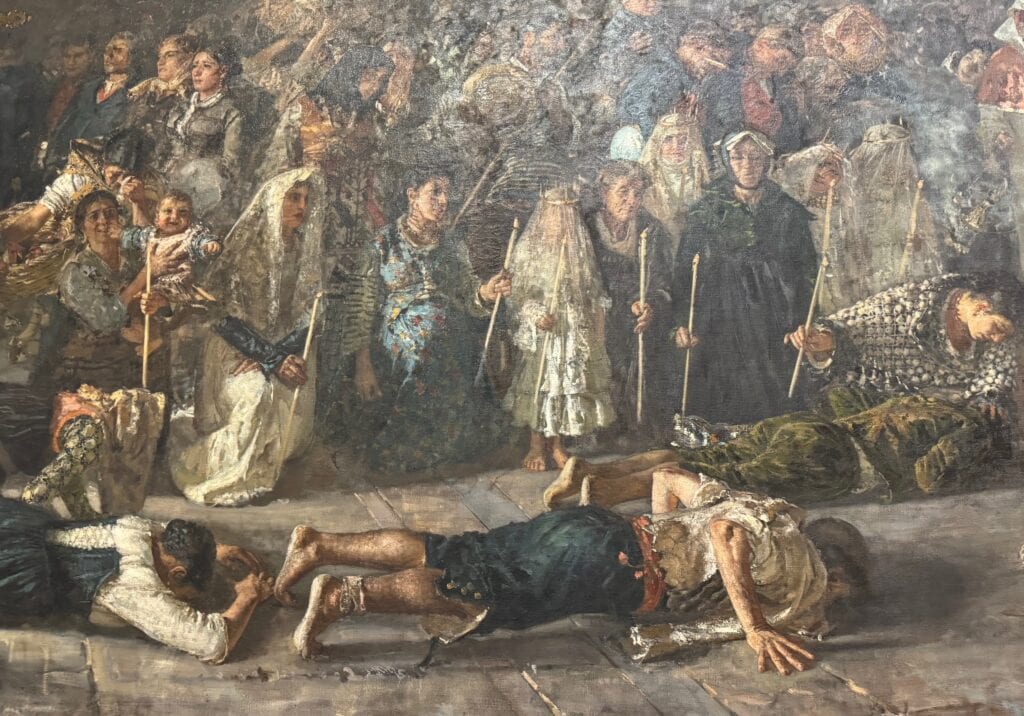
One of the most striking parts of the painting is the pilgrims crawling on the floor, a practice called Lingua Strascinata, or dragging the tongue. This act wasn’t just a show of emotion; it had deep meaning.
In Catholic tradition, the tongue was often seen as the main source of sin, like lying, blasphemy, and gossip. Dragging it along the dusty floor of a church was meant to “purify” it. This ritual originated in the Spanish Counter-Reformation of the 16th and 17th centuries. When Spain ruled the Kingdom of Naples, including Abruzzo, religious acts became more dramatic and intense.
During this time, people saw a Voto, or vow, as a real contract with a Saint. If the Saint performed a miracle, like healing a child or bringing rain, the believer had to give something in return. Dragging the tongue became that payment.
The Scale of Sacrifice
The details are so vivid because Michetti didn’t just make them up; he recorded what he saw.
Origins: Michetti painted this between 1881 and 1883, inspired by the feast of San Pantaleone in Miglianico. He used a magnesium flash to photograph the crowd, which shocked the locals. When a hailstorm hit right after, it almost caused a riot.
Economic reality: At that time, many people from Abruzzo were leaving for the US. Those who stayed behind had very little. Their faith was the only thing they could rely on.
Textures of standing: Notice the girl in her Holy Communion dress. She has no shoes, but her dress is fancy and meant to be worn only once. It was common for these dresses to be shared amongst sisters and cousins or handed down through generations. The price of a ‘Vow ‘ is high, especially when you don’t have enough to buy shoes.
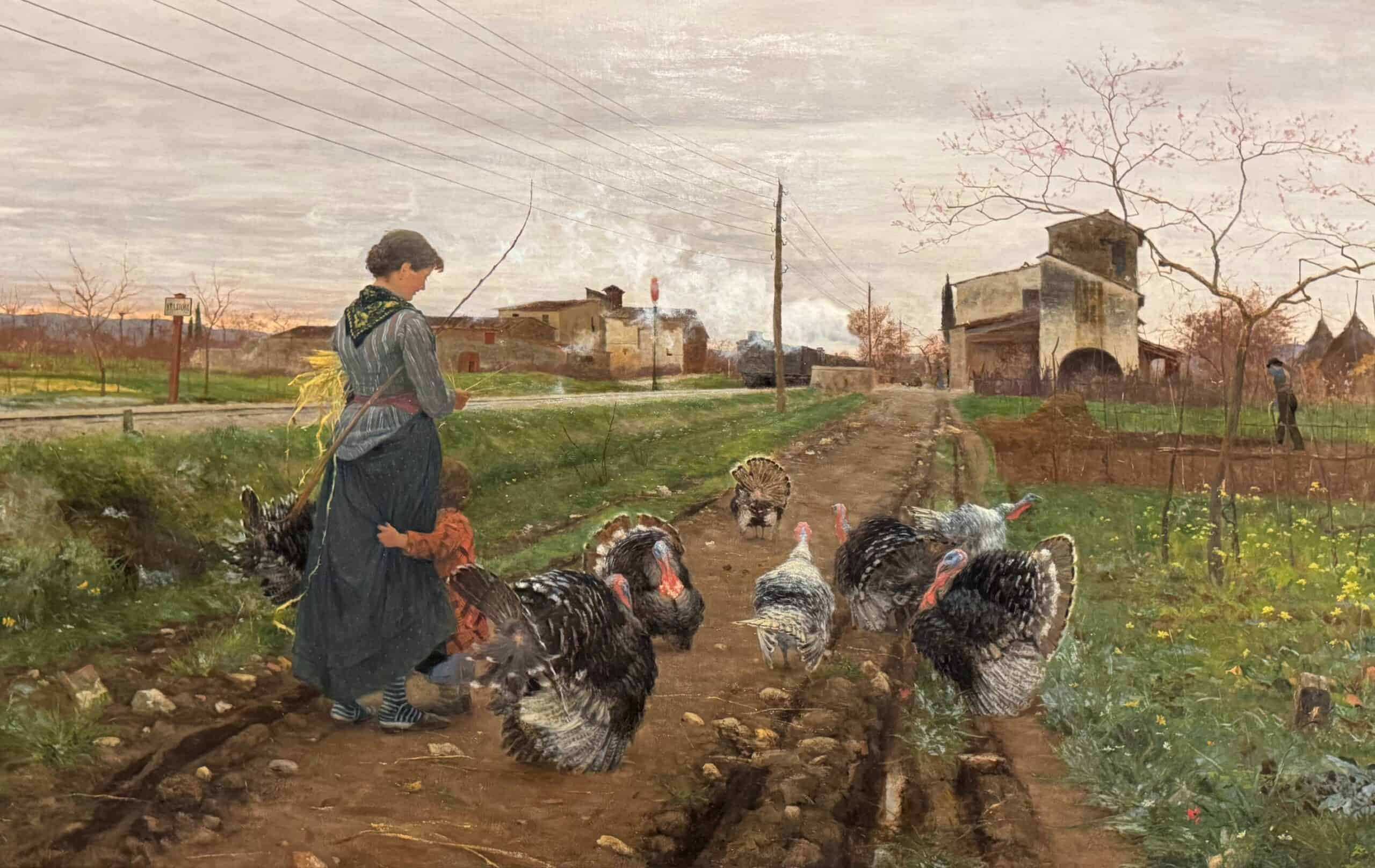
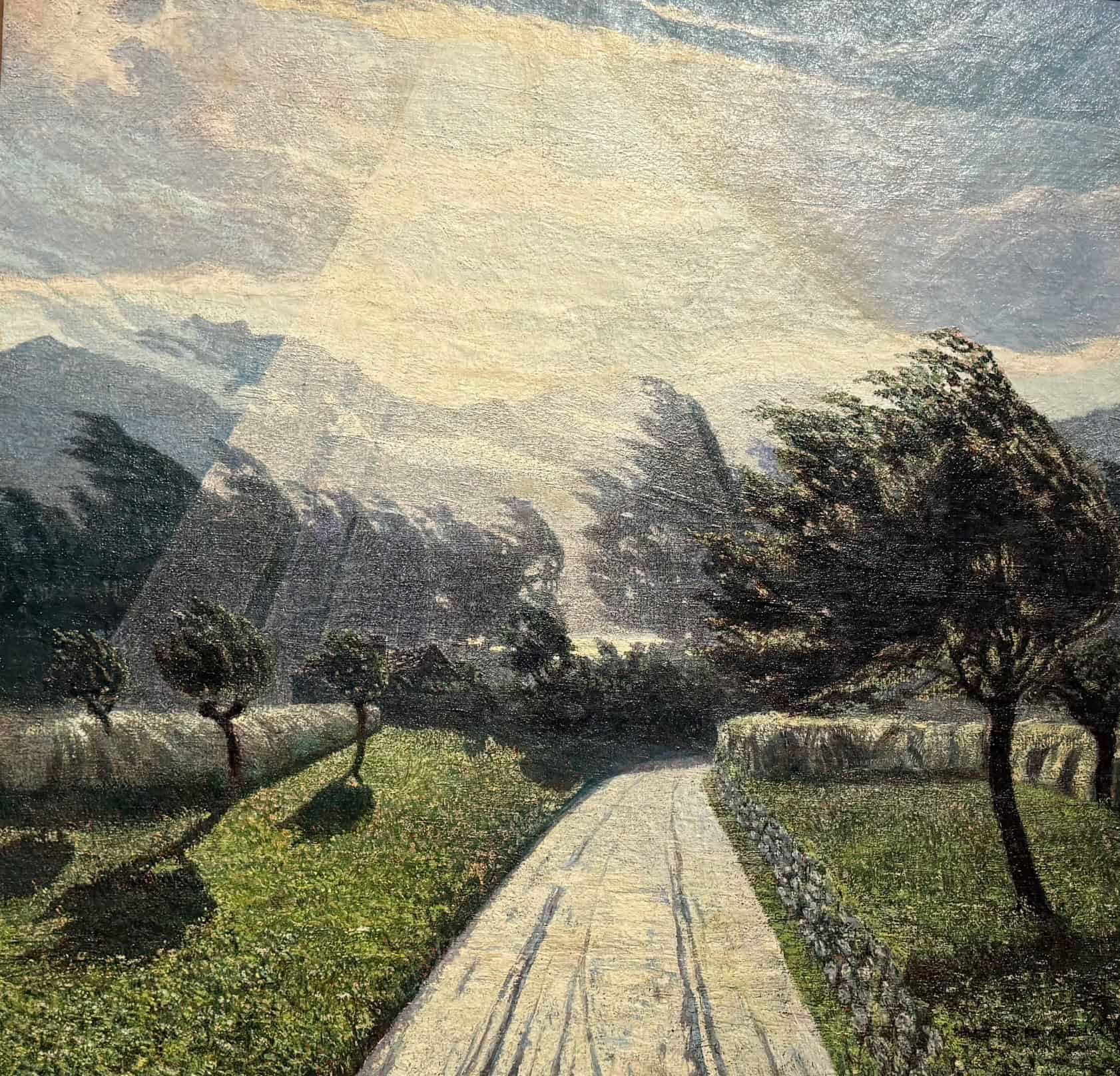
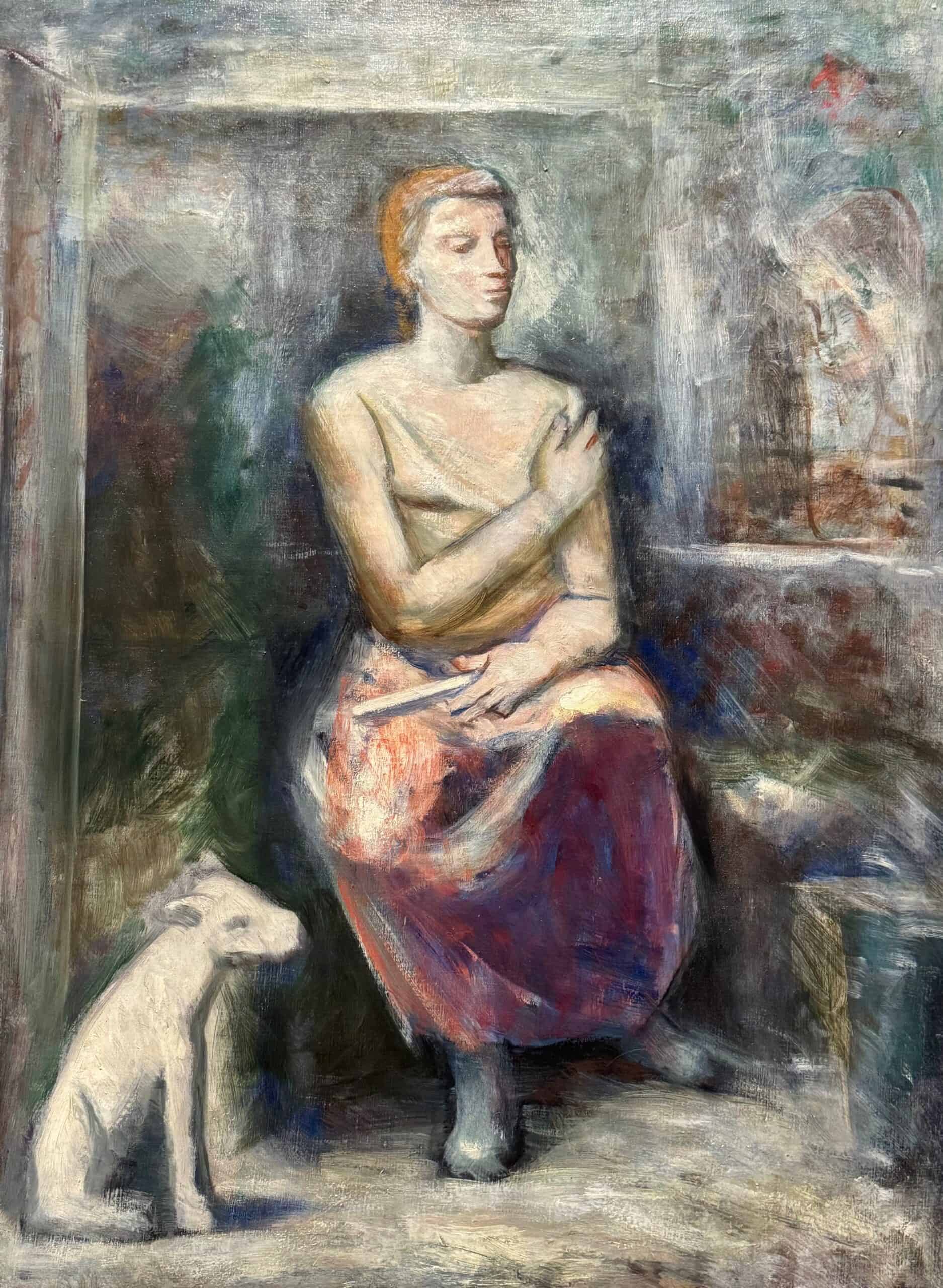
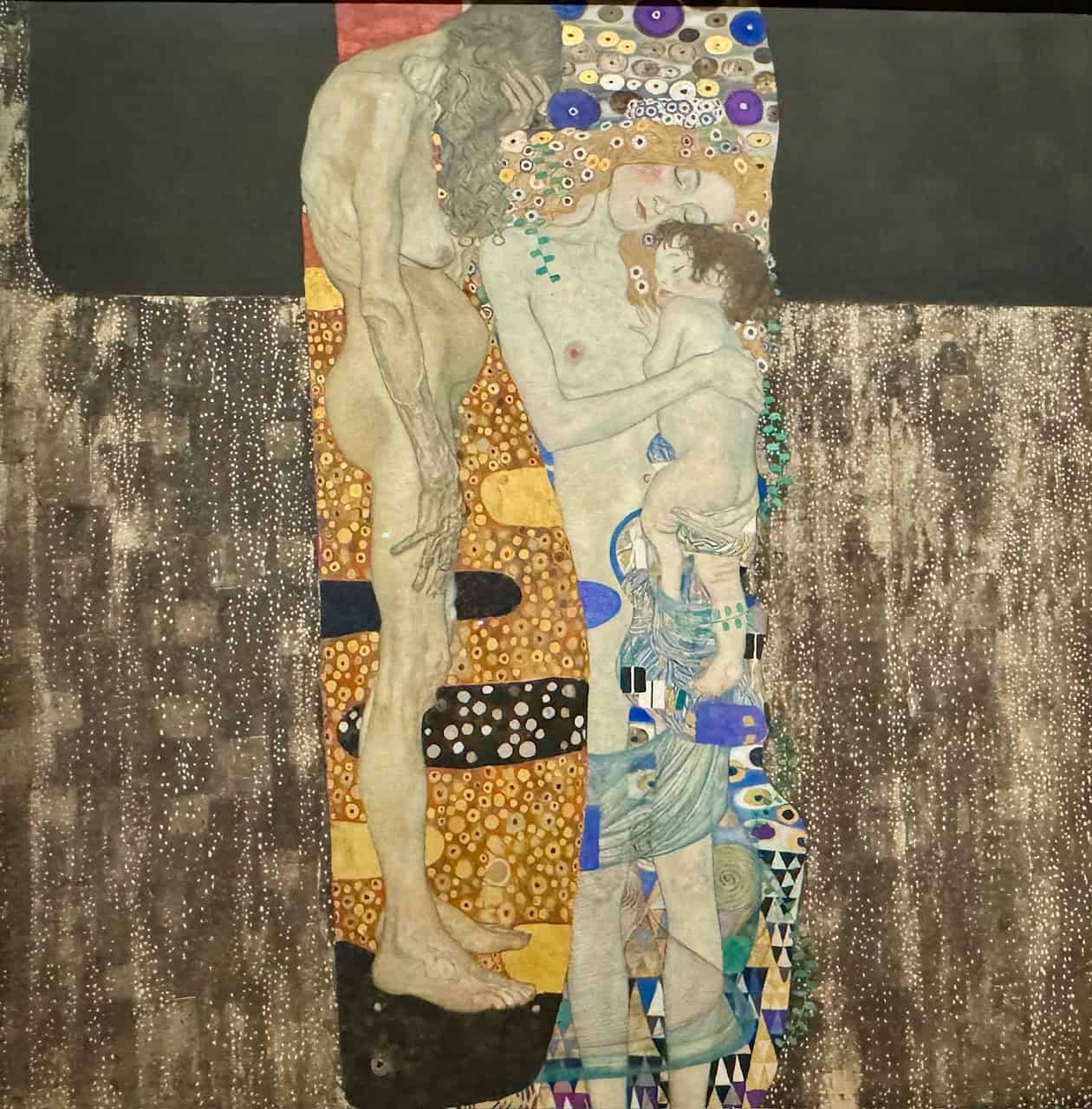
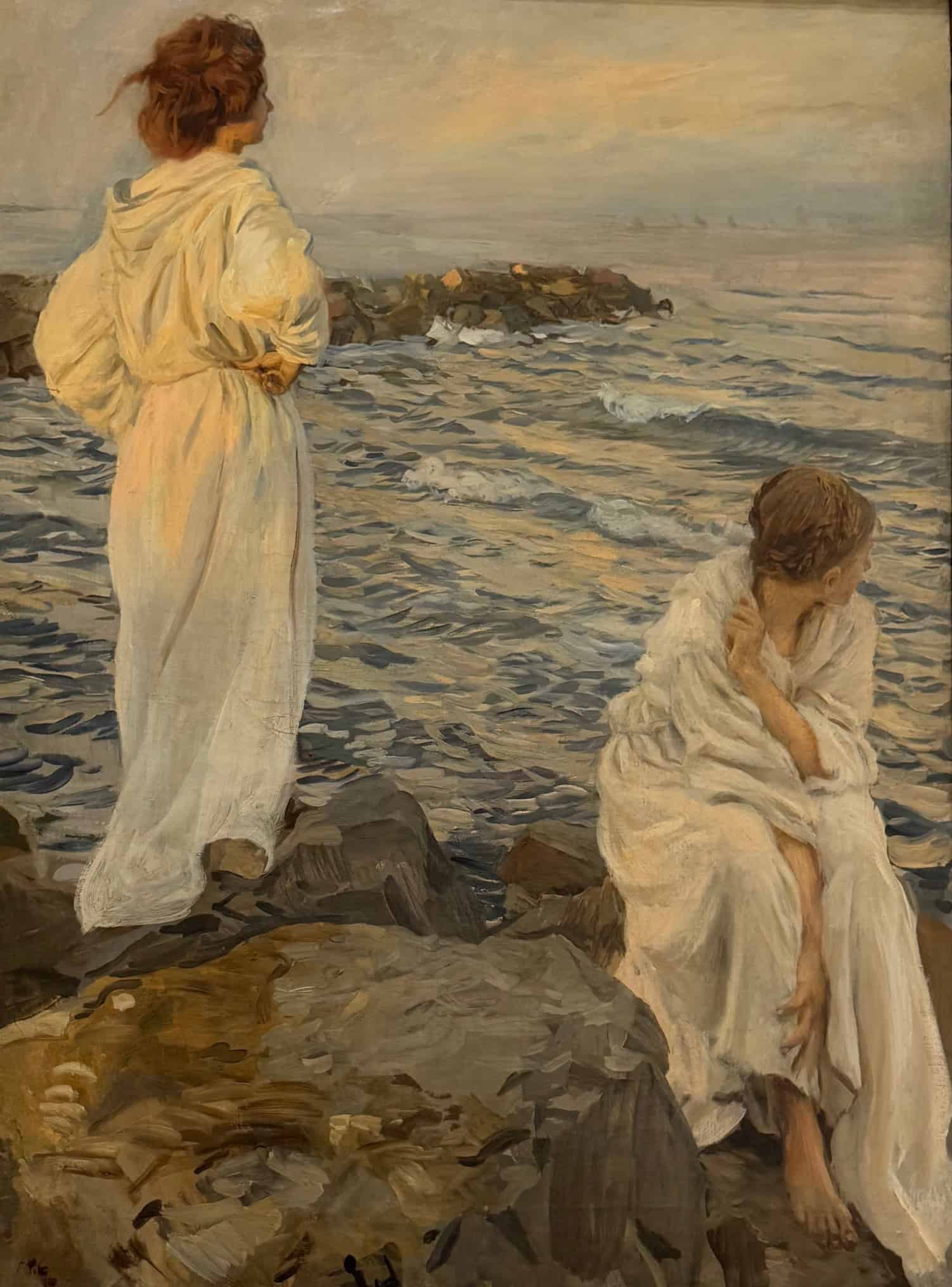
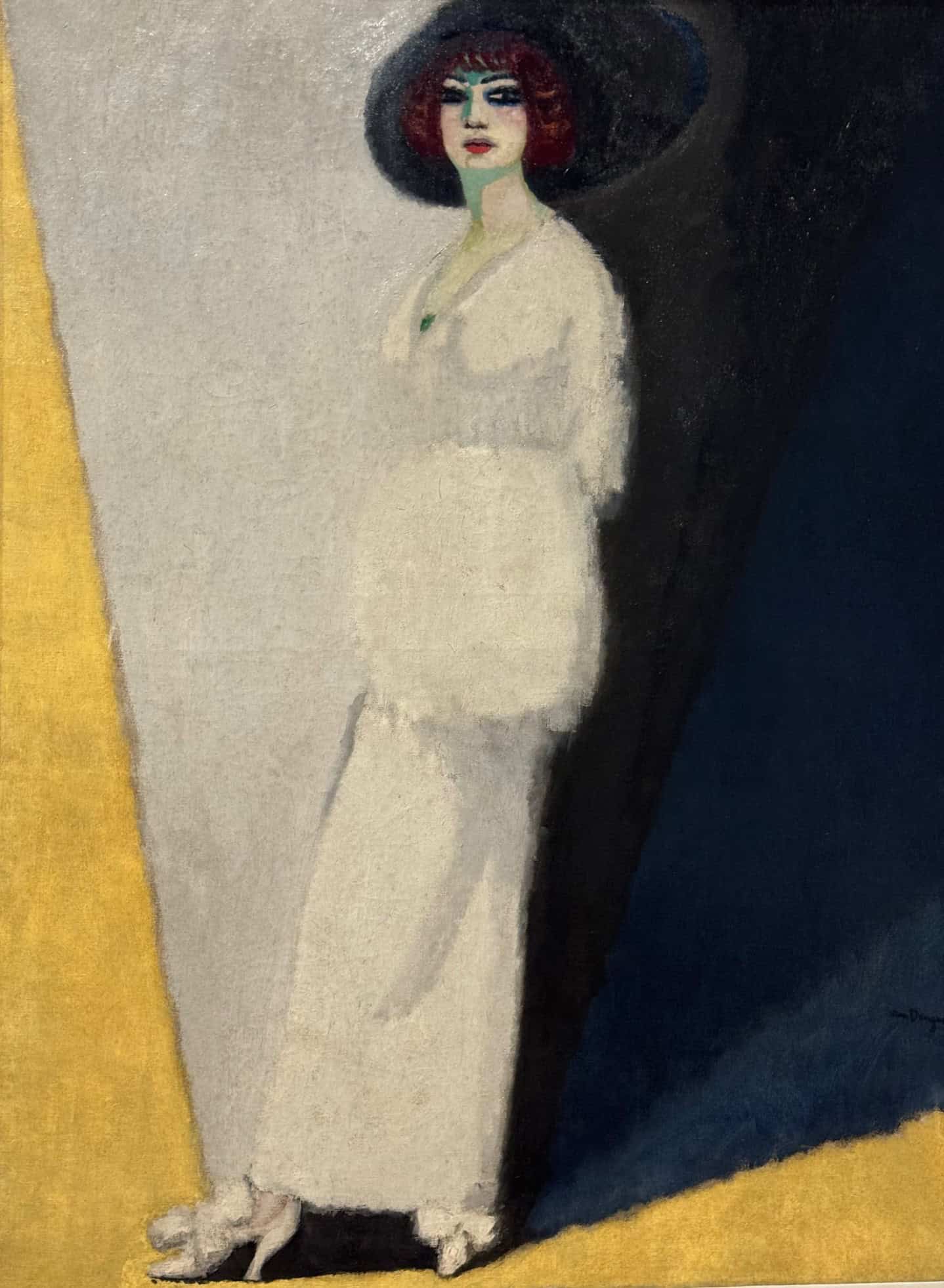
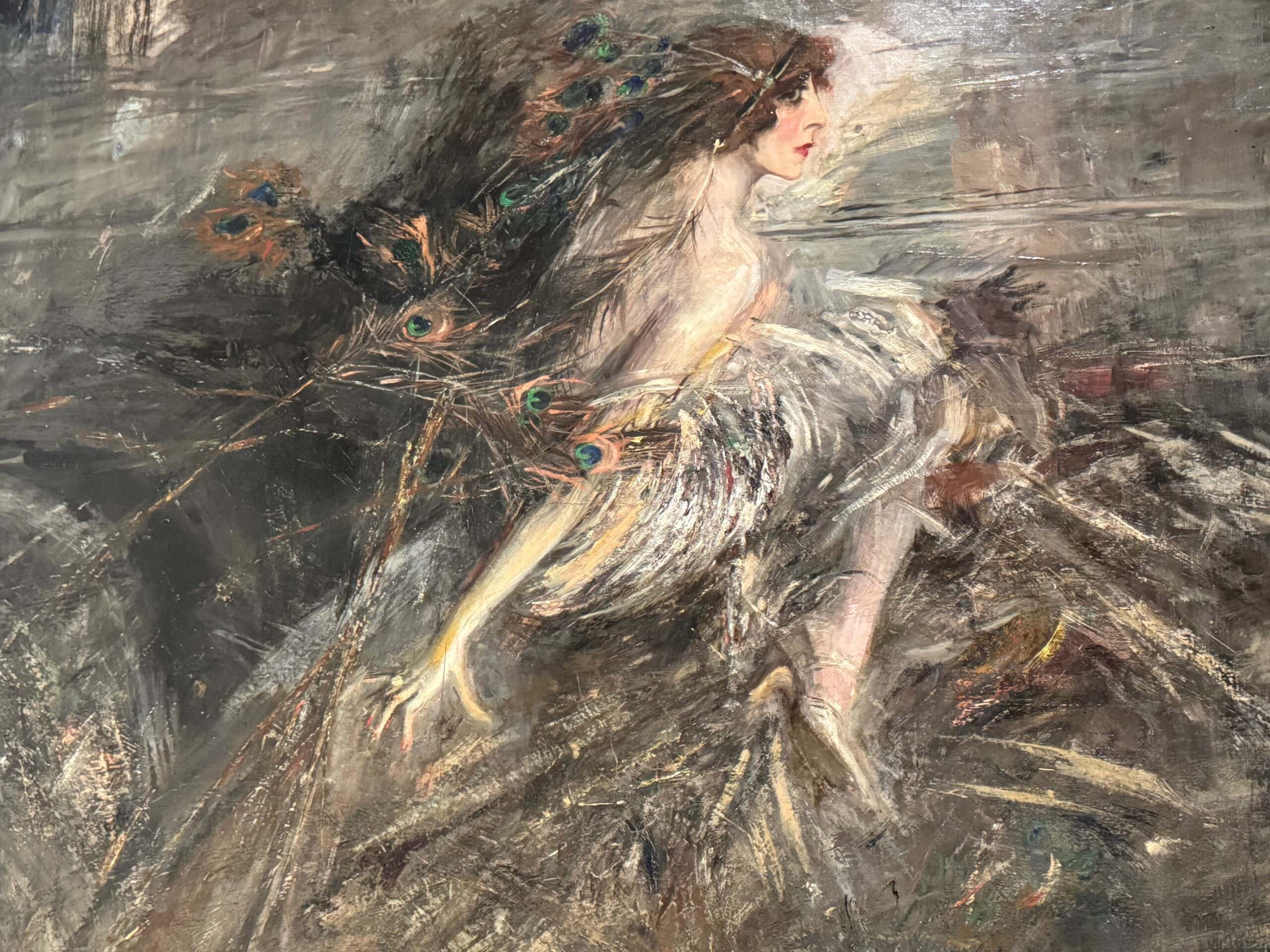
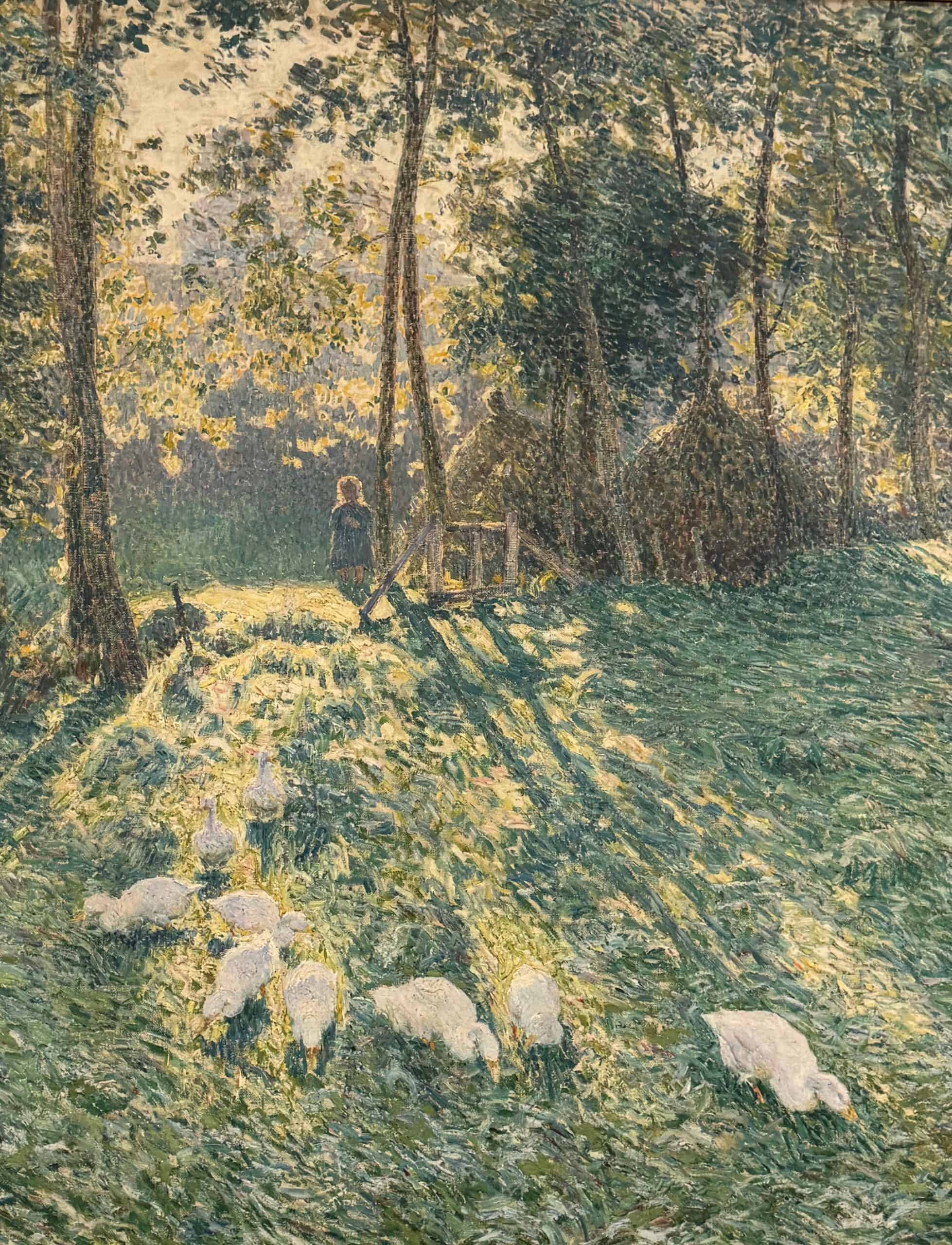
Other Favourites in Rome’s Galleria Nazionale d’Arte Moderna
Author: Sam Dunham
Sam is a freelance SEO content creator and IGCSE Geography and English teacher at Istituto Cristo Re in Rome. She also runs the Life In Abruzzo Cultural Association, sharing stories and insights about this captivating region.
Alongside raising a teenager, Sam hosts guests at her family’s traditional home, the Little House of the Firefly in Abruzzo, offering a warm welcome and insider tips on local culture, food, and hidden gems.