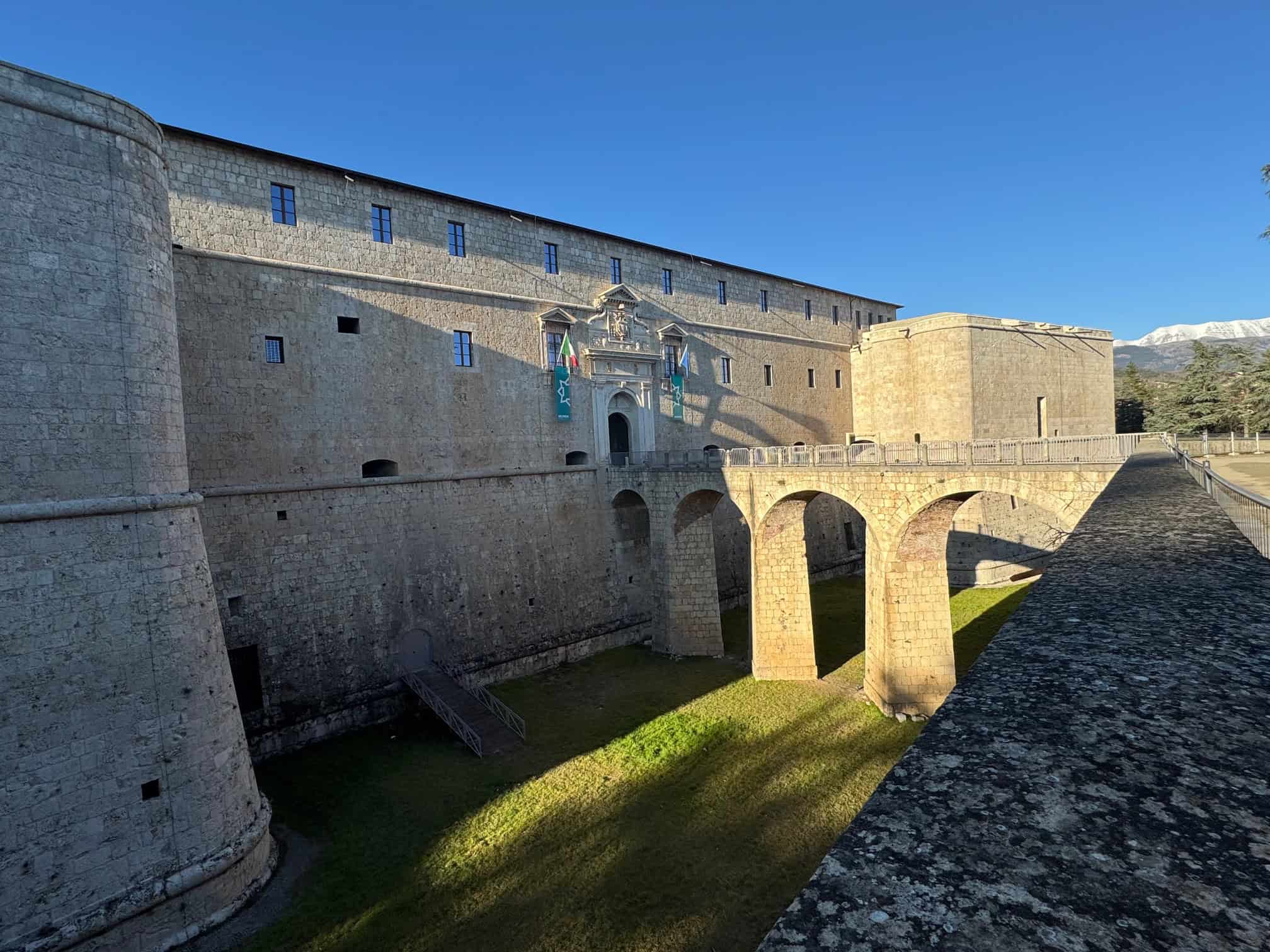
L’Aquila is the Italian Capital of Culture for 2026, and the city has just launched one of its most important exhibitions. Ai Weiwei: Aftershock is on view at MAXXI L’Aquila in Palazzo Ardinghelli from 29 April to 6 September. The show is curated by Tim Marlow, who previously worked at the Royal Academy in London and now leads the Design Museum.
The exhibition brings together about seventy works from five decades of Ai Weiwei’s career. It includes pieces he made in New York in the 1980s, as well as photographs, videos, and sculptures that look like paintings. Visitors will also see his LEGO versions of works by Munch, Van Gogh, and Ed Ruscha, along with new sculptures he created in Ukraine in 2025.
But the show’s main focus is different.
In 2008, an earthquake in Sichuan province killed almost 90,000 people, including over 5,000 schoolchildren who died when poorly built schools collapsed. Ai Weiwei spent years recording the names of these children and exposing the corruption behind the tragedy. The work he created from this effort is at the centre of the exhibition. His large sculpture, Straight, is made from ninety tonnes of twisted steel taken from the ruins and carefully straightened. For the first time, Straight is displayed in L’Aquila across three different spaces.
For L’Aquila, this theme is very real. The city was devastated by its own earthquake on 6 April 2009. Palazzo Ardinghelli, the Baroque building that now houses MAXXI L’Aquila, was severely damaged and reopened only in 2021 after years of restoration. Choosing an artist whose strongest work deals with earthquake memories, government failures, and rebuilding is intentional. It is a thoughtful choice for the city’s year as a cultural capital.
The exhibition is open on Thursdays from 9 am to 1 pm, and from 11 am to 7 pm on Fridays, Saturdays, and Sundays. You can book tickets online at the MAXXI L’Aquila website, priced at 10 euros, with a discount for children. If you are visiting Abruzzo this summer, be sure to see this show.
Who is Ai Weiwei?
Ai Weiwei is a Chinese artist, filmmaker, and activist who was born in Beijing in 1957. When he was a year old, his father, the poet Ai Qing, was exiled to Xinjiang, and the family spent sixteen years living in tough rural conditions. Ai studied in Beijing in the late 1970s, then moved to New York in 1981. He spent twelve years there working as an artist before returning to China in 1993.
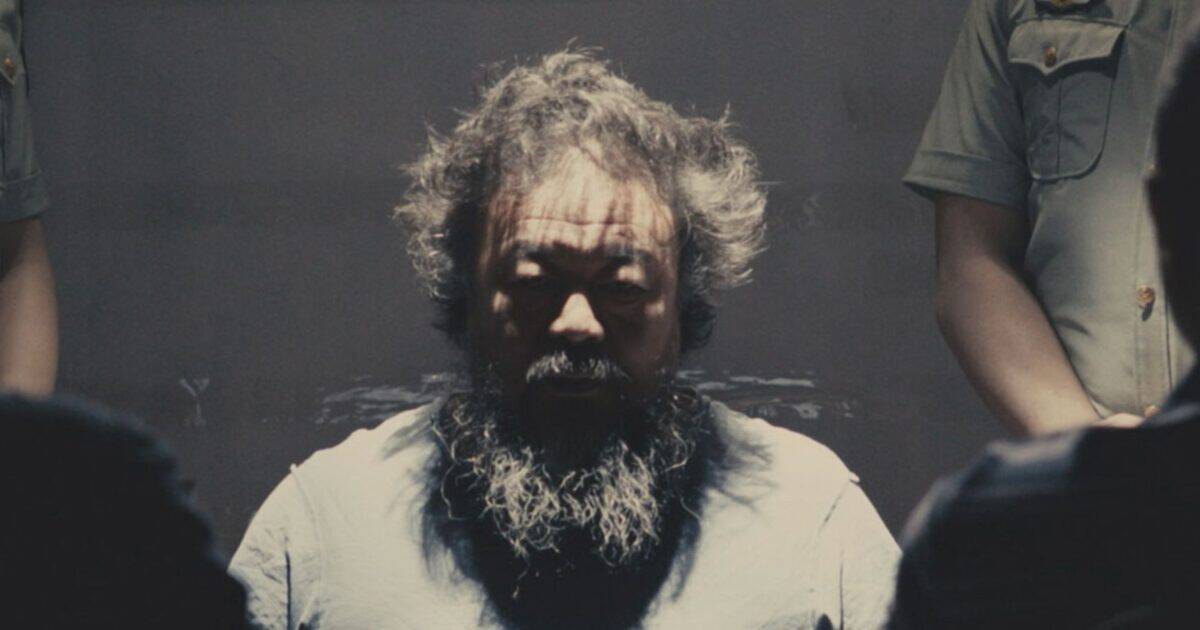
Some of Ai Weiwei’s most famous works are his design for the Bird’s Nest stadium at the 2008 Beijing Olympics, his installation of one hundred million hand-painted porcelain sunflower seeds at Tate Modern in 2010, and his ongoing documentation of the Sichuan earthquake. He has been a consistent critic of the Chinese government on issues like corruption, human rights, and free speech. In 2011, he was detained for 81 days without charge, and his passport was retained for 4 years afterwards.
Since leaving China in 2015, Ai has lived in Berlin, Cambridge, UK, and Portugal. He still works in sculpture, architecture, film, photography, and writing. His art has been shown in nearly every major museum worldwide. This is his first solo show in Abruzzo.
Tickets can be booked on the MAXXI website

Author: Sam Dunham
Sam is a freelance SEO content creator and IGCSE Geography and English teacher in Rome. She also runs the Life In Abruzzo Cultural Association, sharing stories and insights about this captivating region. Alongside raising a teenager, Sam hosts guests at her family’s traditional home, the Little House of the Firefly in Abruzzo, offering a warm welcome and insider tips on local culture, food, and hidden gems.