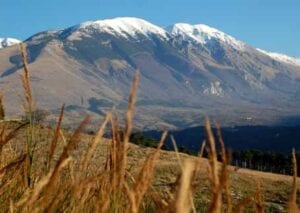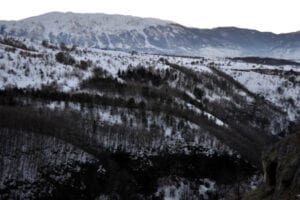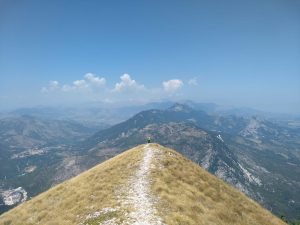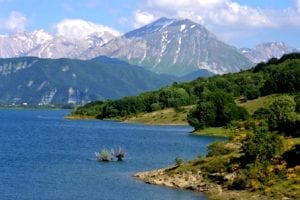
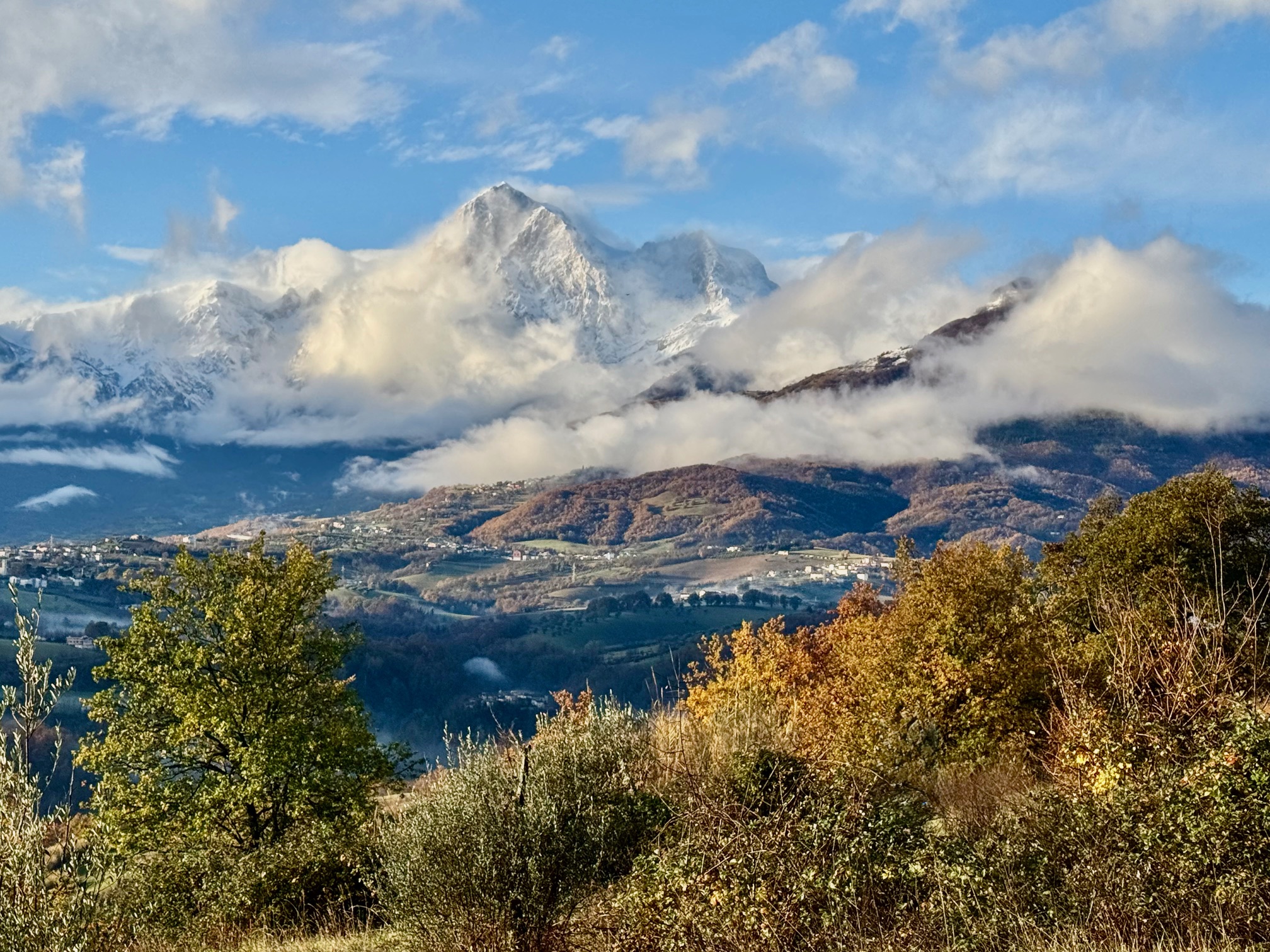
Every year on December 11, the United Nations celebrates International Mountain Day. In 2025, this year’s glacier theme is especially urgent: glaciers are vital for water, food, and livelihoods. Mountains provide fresh water for half the world’s people and support rich biodiversity and unique cultures. But these places are also some of the most at risk from climate change.
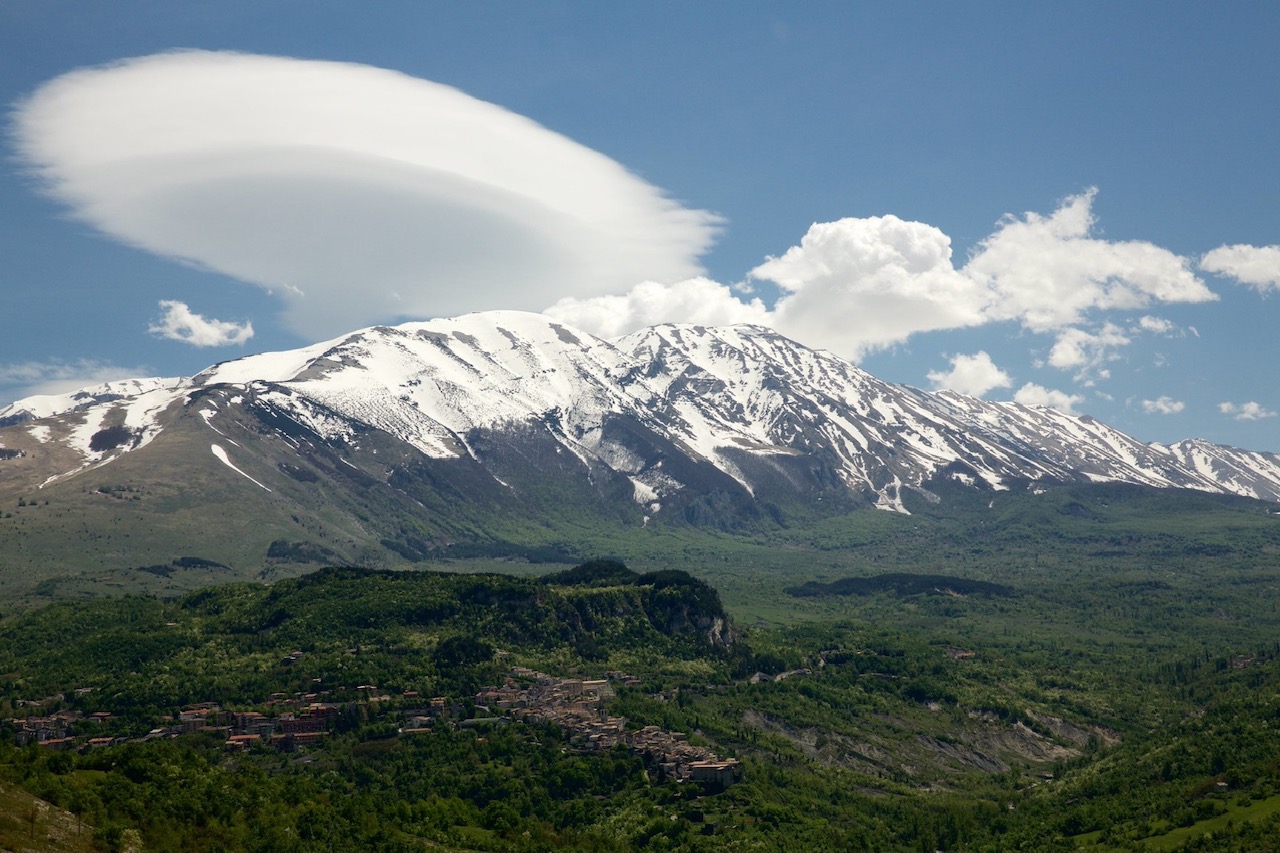
© Pete Austin
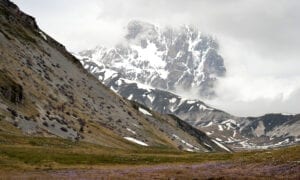
Abruzzo understands this situation firsthand. Once home to the southernmost glacier in Europe, the Calderone beneath Corno Grande, the region has watched it shrink from a thriving mass of ice into two tiny, stagnant remnants, no longer a glacier at all. Its disappearance mirrors the global cry for action, the UN highlights this year, a warning carved into our own mountainside.

Trace positioning over the Lower Calderone Glacieret. The figure shows (a) a view of the Calderone Cirque from a photo taken by Dr Massimo Pecci on 15th September 2016
But Abruzzo’s mountains represent much more than just loss.
These mountains are vibrant landscapes that have influenced people for thousands of years. The Italic tribes used the ridges and plateaus as natural fortresses, building sanctuaries and hilltop settlements to guard the passes. Centuries later, artists like Edward Lear and M.C. Escher explored these highlands and discovered not isolation, but inspiration: unusual views, bright open spaces, and villages shaped by stone and sky.
The rugged landscape has created unique microclimates and cultures, with each valley forming its own small world. Traditions, dialects, and ways of life have lasted because of this isolation. Mountain communities have always faced challenges, but now they deal with quieter problems: closed post offices, schools shutting down, fewer buses, and long trips to find an ATM. Offers of €2,000 for new families seem promising, but the money is quickly spent on fuel as people travel for basic needs. Even so, these communities continue to support far more than just their own needs.
The Mountains’ water tables and springs support entire ecosystems and supply industries known worldwide. The clean, cool waters from the Maiella help the factories in Fara San Martino, allowing pasta makers like De Cecco to succeed, create jobs, and share Abruzzo’s identity globally. The forests, pastures, and high plains they care for are full of biodiversity, beauty, and potential.
Abruzzo’s mountains have always provided refuge, renewal, and inspiration. They have witnessed ancient battles, bandits, artists, shepherds, people escaping war, and modern travellers. They have seen glaciers appear and disappear.
Now, these mountains need our support to help them face the future.
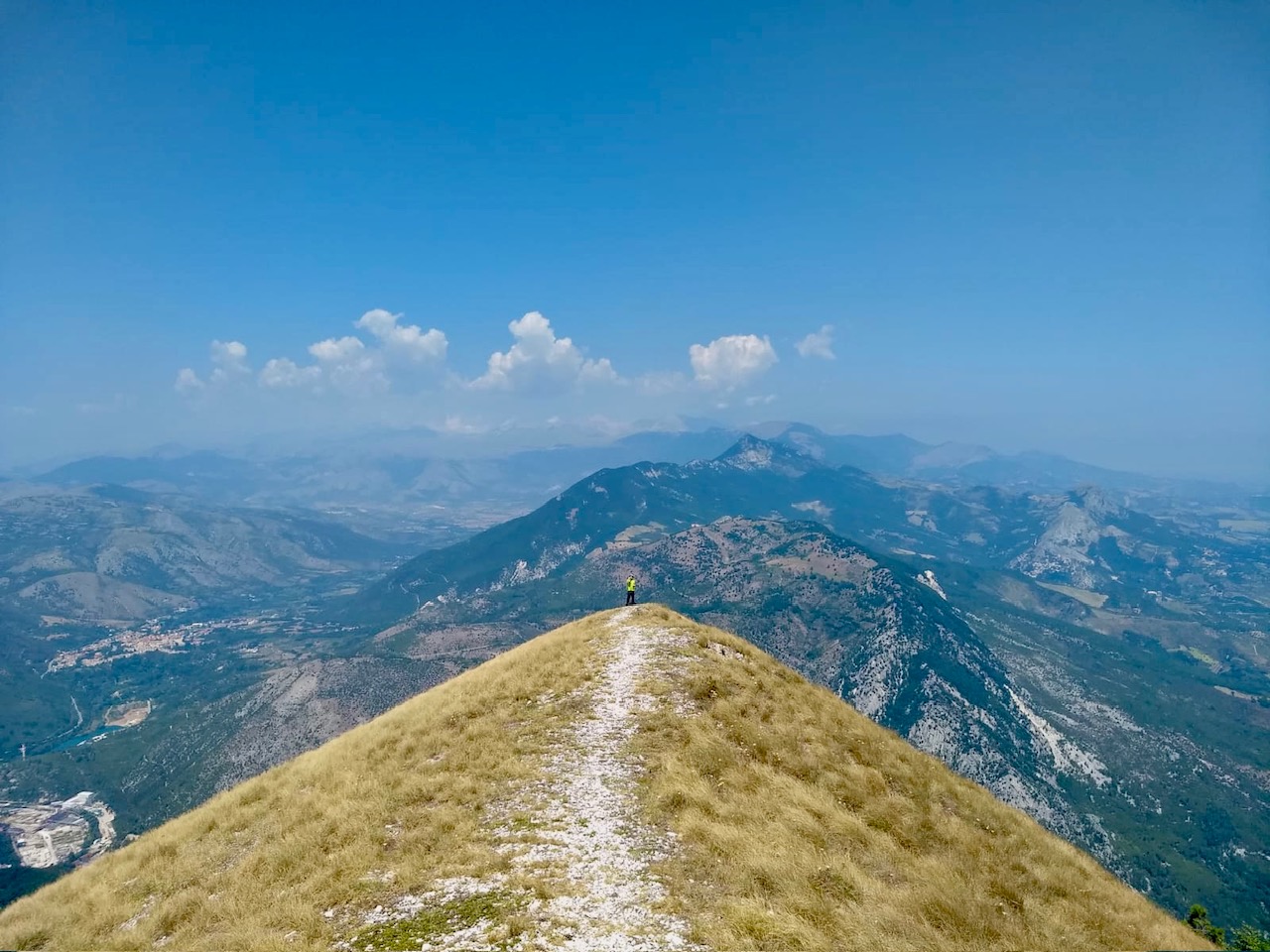
If there is hope, it is found here:
Hope comes from recognising how important these landscapes are, not just for their beauty, but for their water, ecosystems, heritage, and people. It means choosing to support mountain communities rather than leaving them behind, and to respect the resilience that has shaped Abruzzo for thousands of years.
Our Great Abruzzo Mountain quiz celebrates that world, its peaks and valleys, its wildlife and villages, its stories and its science. It is also a reminder that protecting Abruzzo’s mountains is more than just an environmental responsibility; it is an act of love for a place that has given so much.
Click here to take the Quiz

Author: Sam Dunham
Sam is a freelance SEO content creator and IGCSE Geography and English teacher at Istituto Cristo Re in Rome. She also runs the Life In Abruzzo Cultural Association, sharing stories and insights about this captivating region.
Alongside raising a teenager, Sam hosts guests at her family’s traditional home, the Little House of the Firefly in Abruzzo, offering a warm welcome and insider tips on local culture, food, and hidden gems.