
Walk Abruzzo’s Ancient Route: Autumn on the Tratturo Magno
0
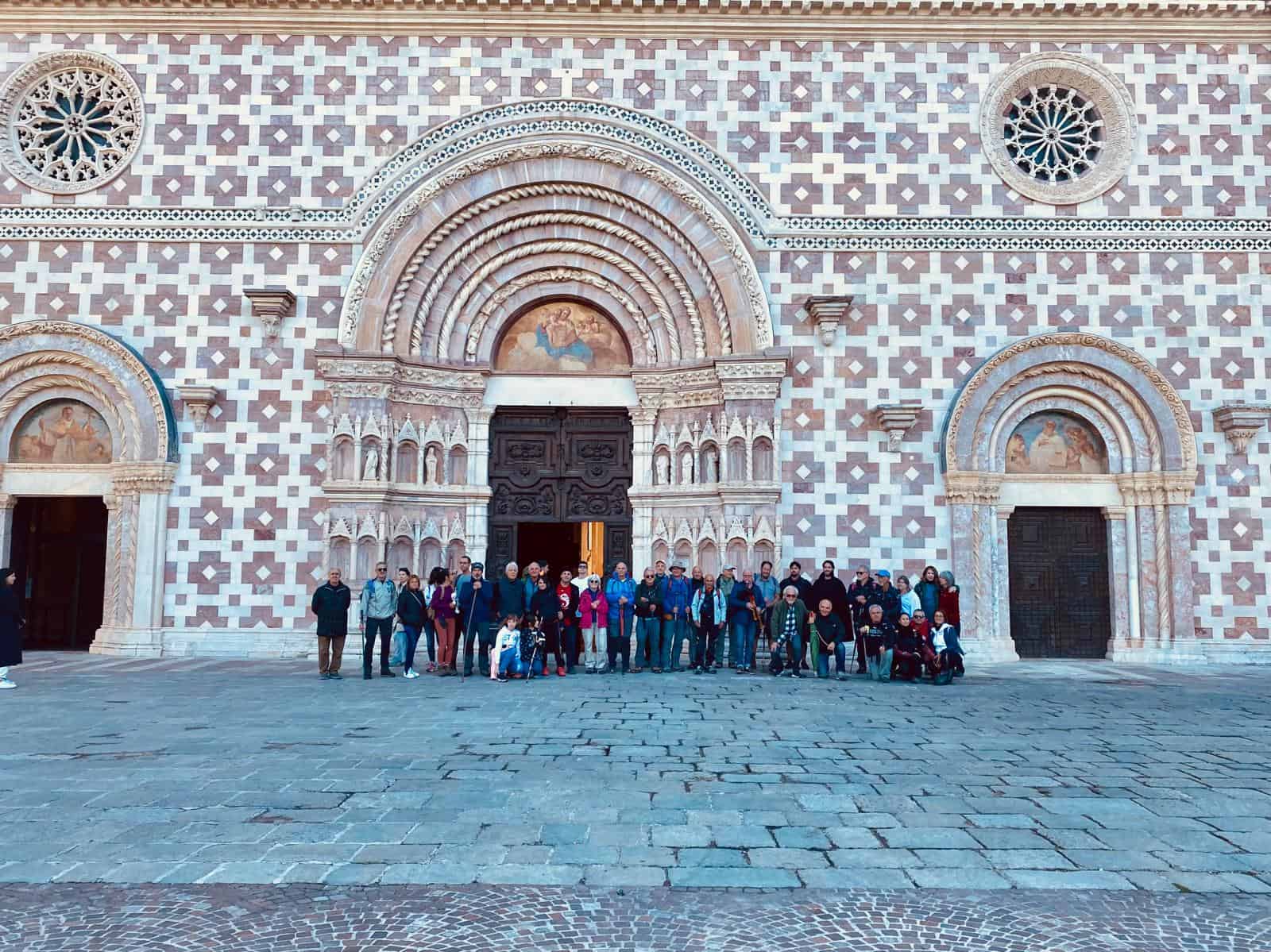
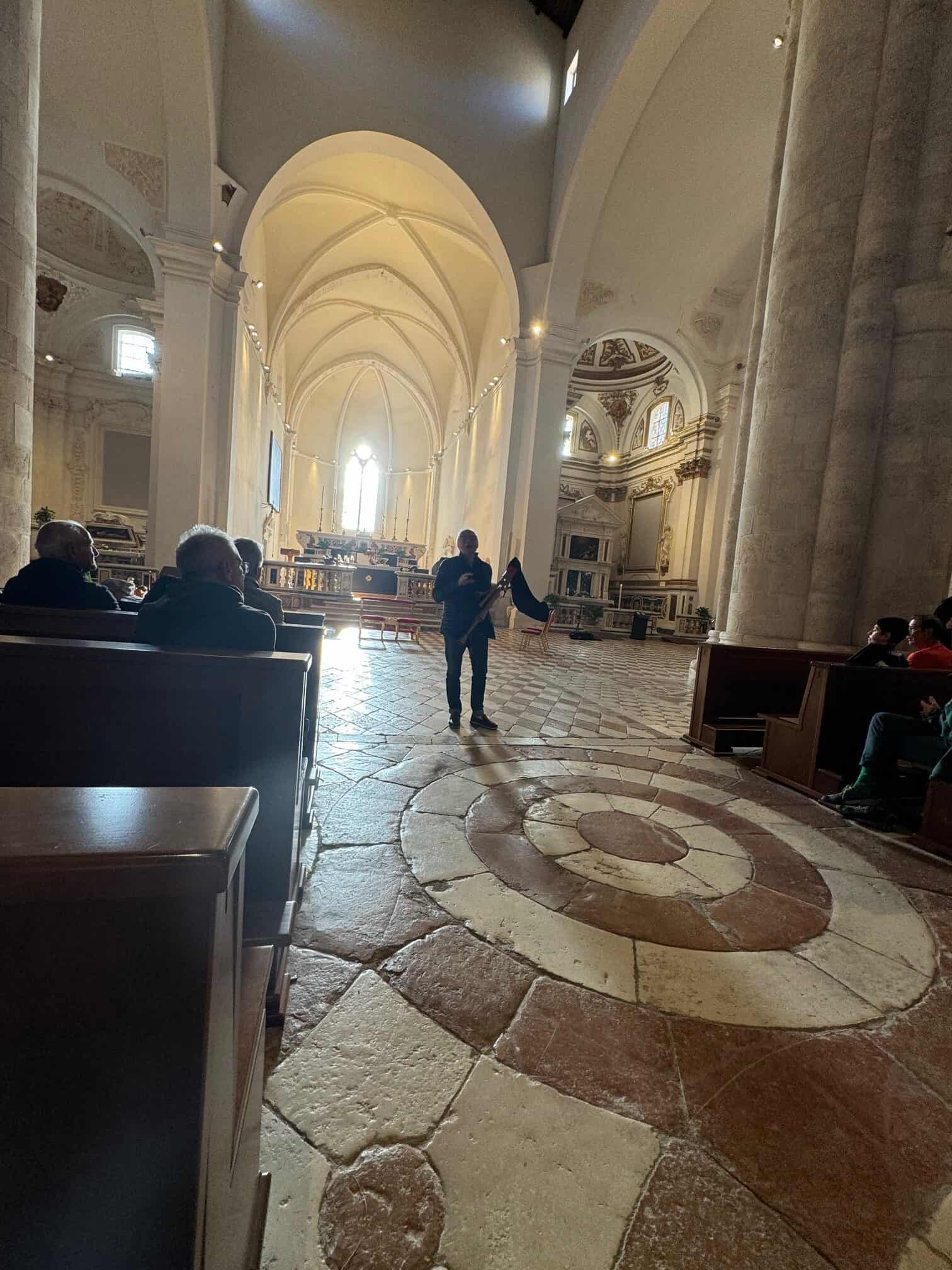
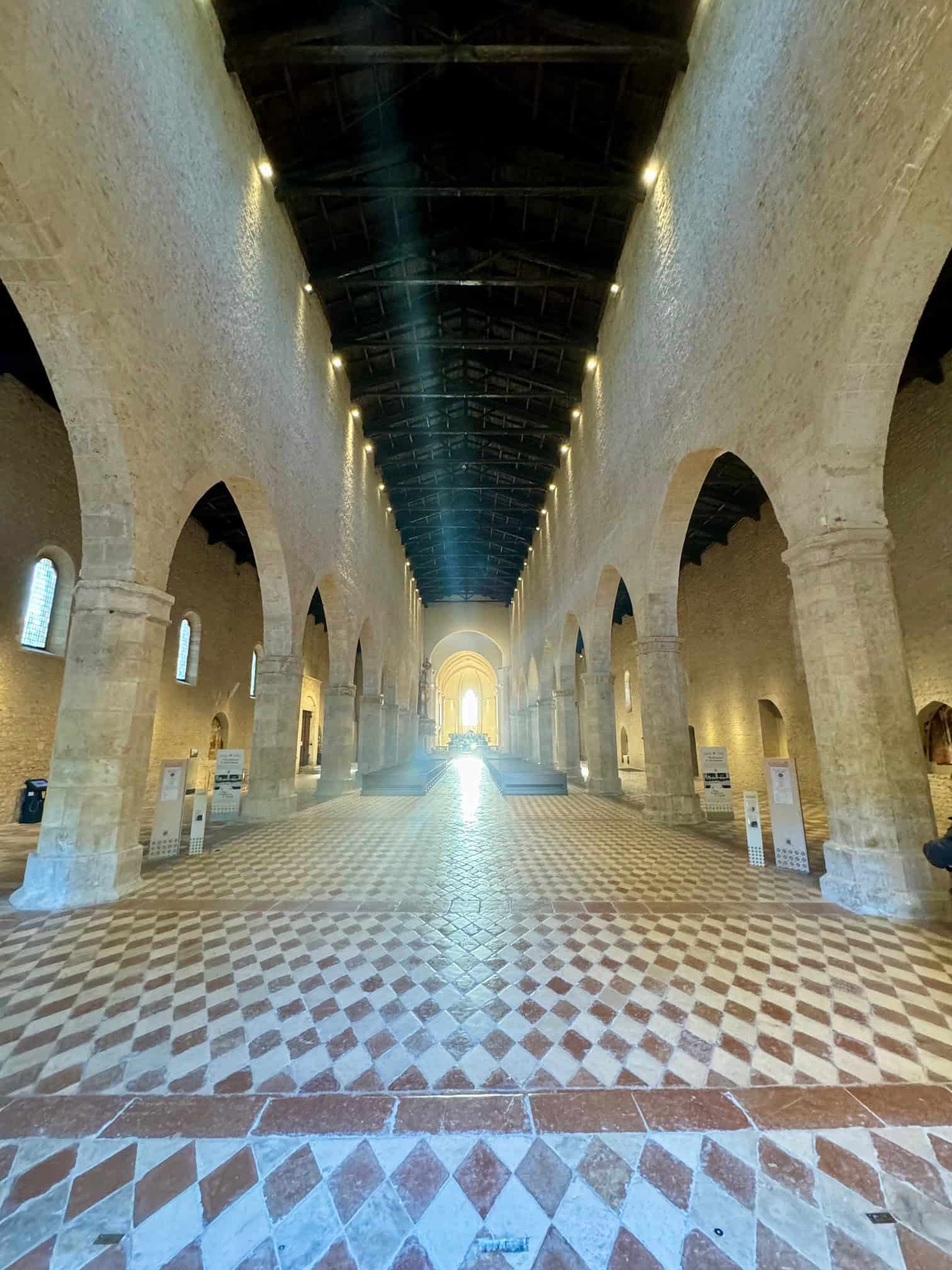
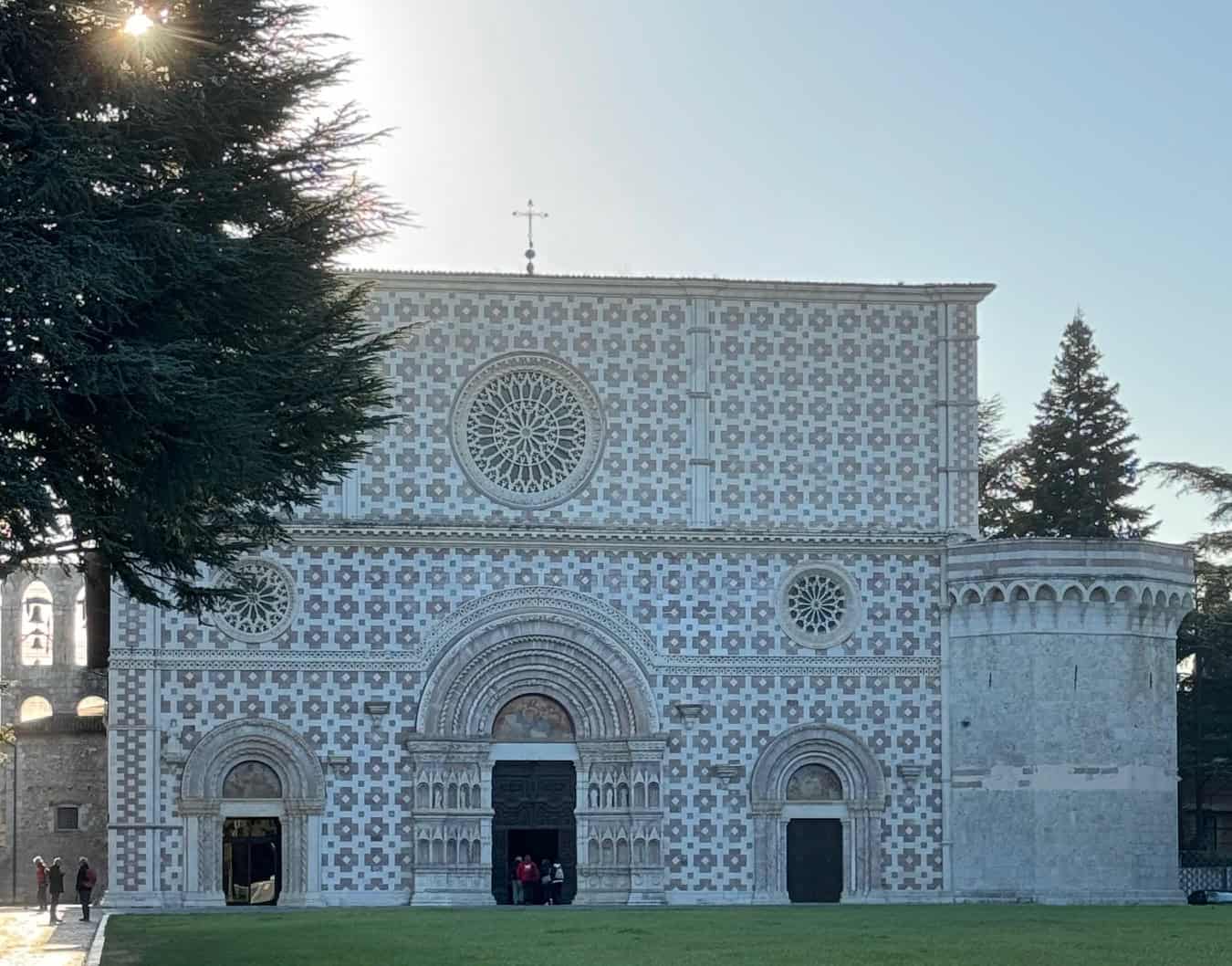
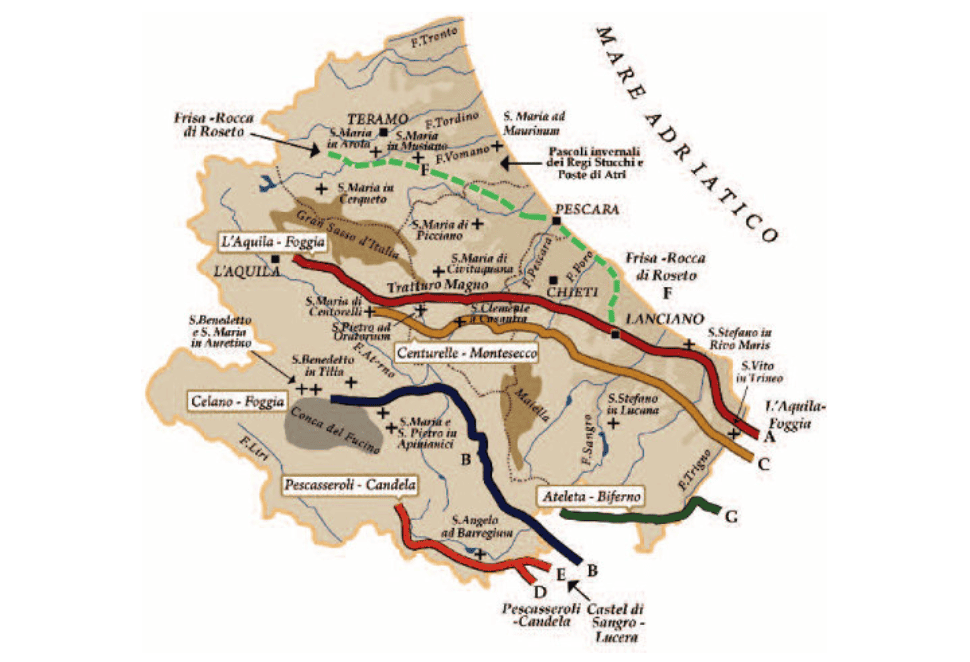
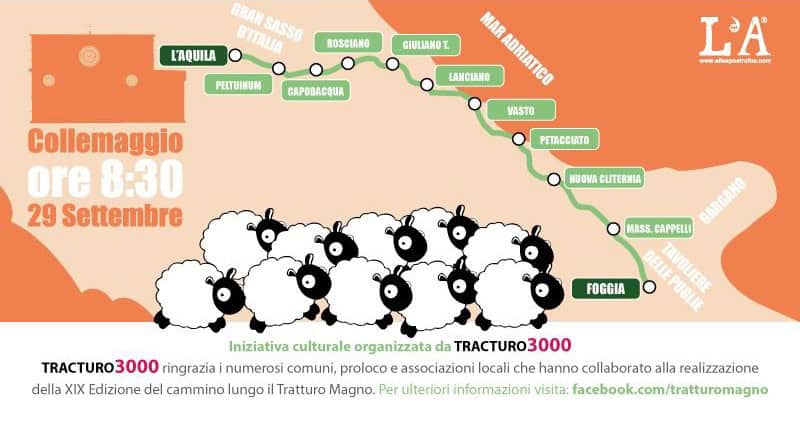
On the last Sunday in September, L’Aquila’s Collemaggio Duomo hums with bagpipes. The sound marks the start of the Tratturo Magna Transumanza Walk. This is the name of the great, ancient route used by local shepherds to navigate the seasons with the sheep they were hired to care for. They would flee the snow in Abruzzo’s high pastures for the milder Apulian plains before making the return north in the Spring.
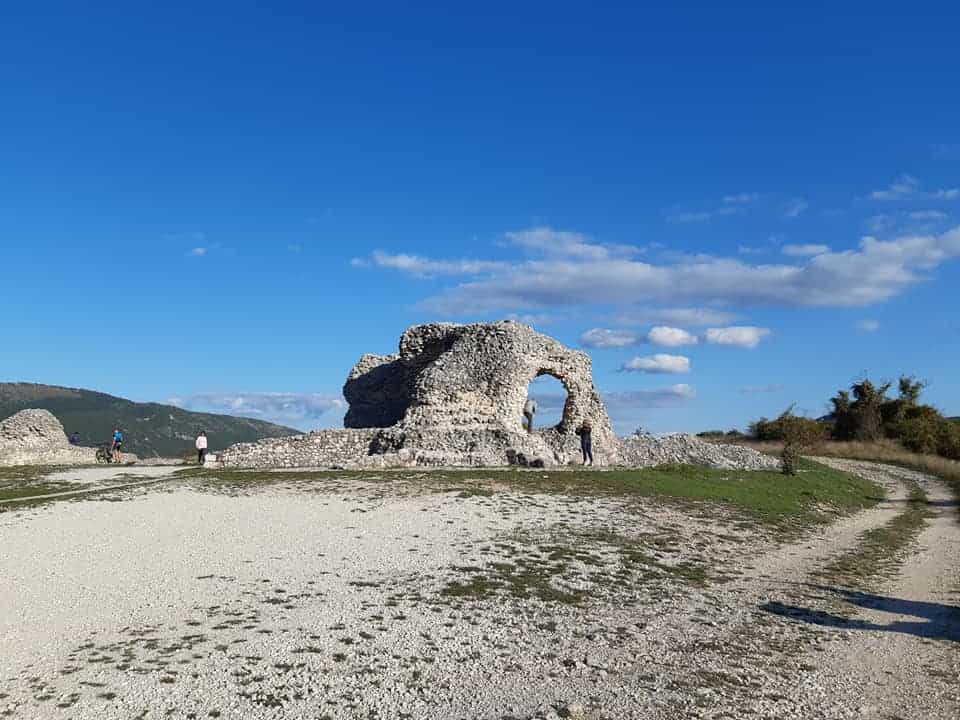
This path is older than history itself. For millennia, shepherds made short vertical climbs between valley and mountain but this grand horizontal migration began under the Roman Empire, faded in the sixth century, and returned in the eighth, led by powerful abbeys. By the twelfth century, the routes were overcrowded, ‘tolls’ were in place, and in 1447, Alfonso I of Aragon reformed the system, creating the Dogana della Mena delle Pecore di Puglia. From then, the tracks were legally defined: main sheep tracks (tratturi) 111 metres wide – even broader than a 12-lane motorway; secondary tracks (tratturelli) 55 metres wide – about the width of a football pitch; and branch tracks (bracci) 18 metres wide, roughly the width of a city street. These were true green highways built on the wealth of wool and protected by law to ensure funds could ontinued to grow. Shepherds walked and watched. They returned north with seeds, stories, recipes, coral charms, and sometimes even brides.
Ratio of Sheep to Local Population Over the Centuries
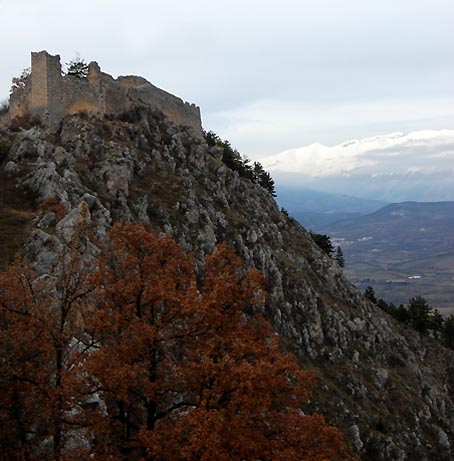
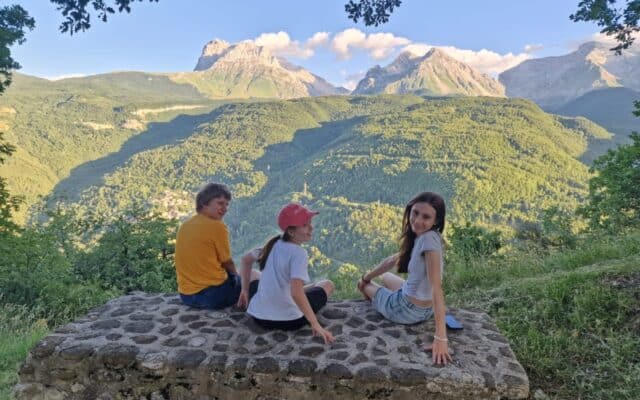
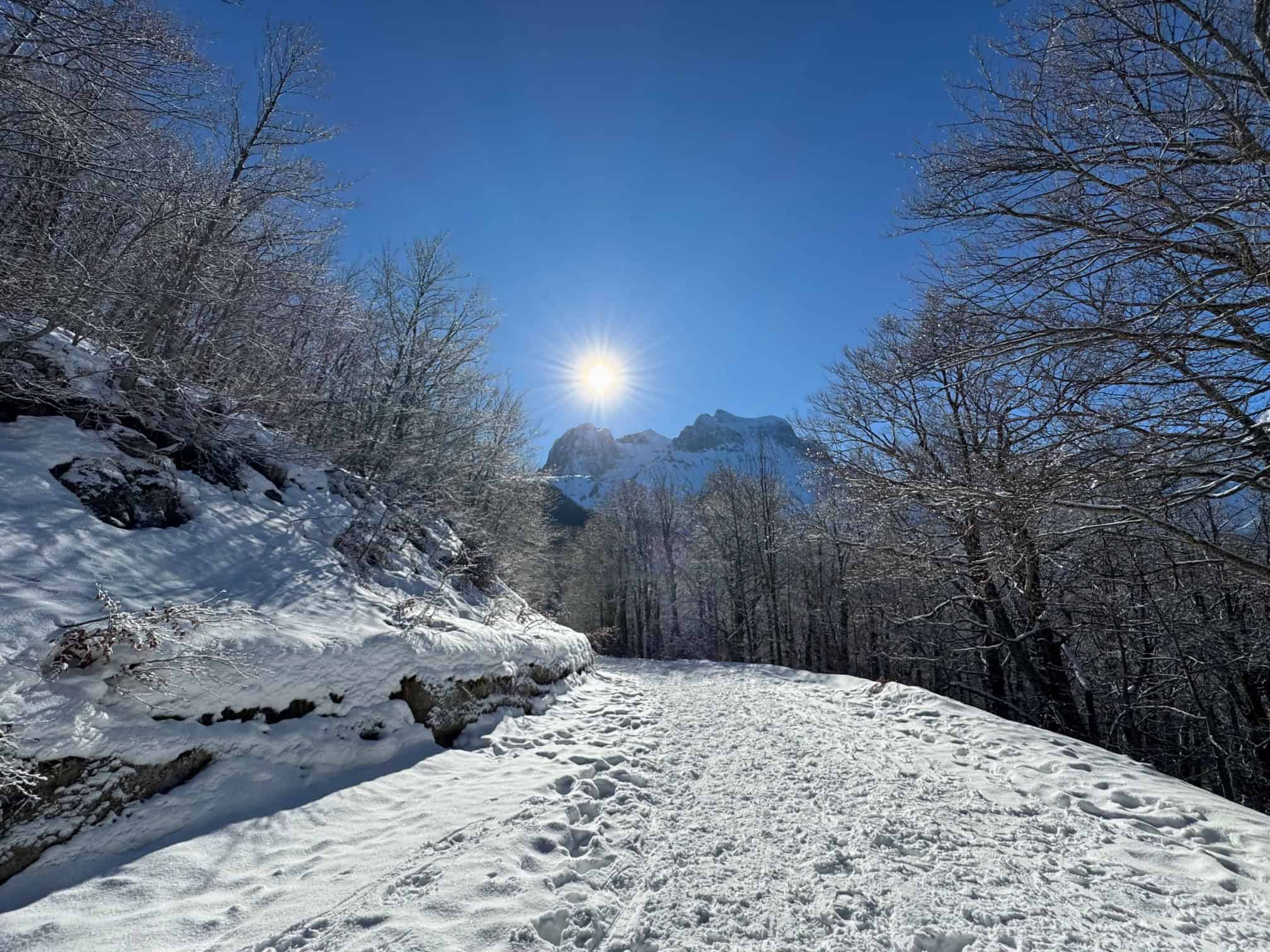
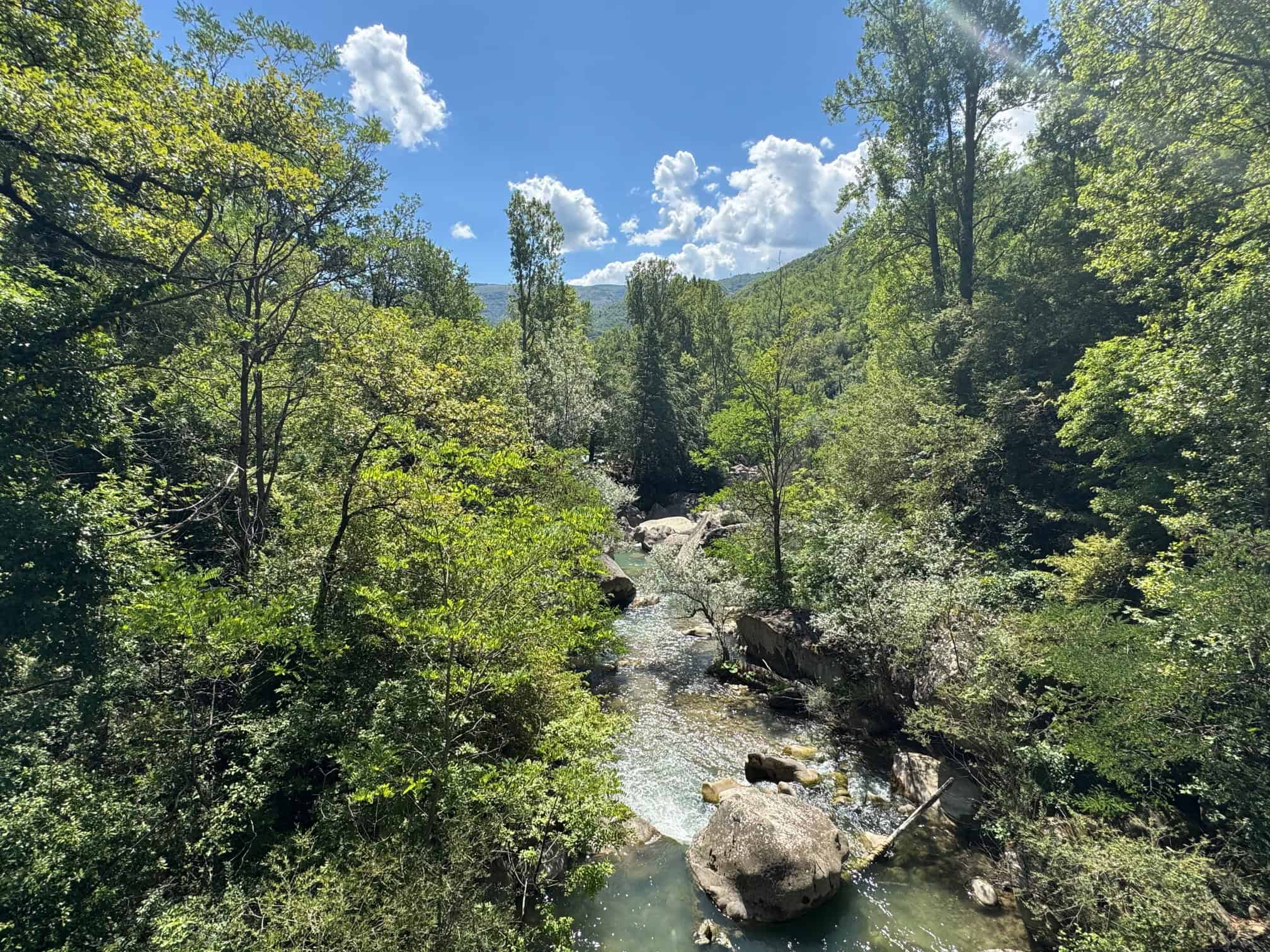
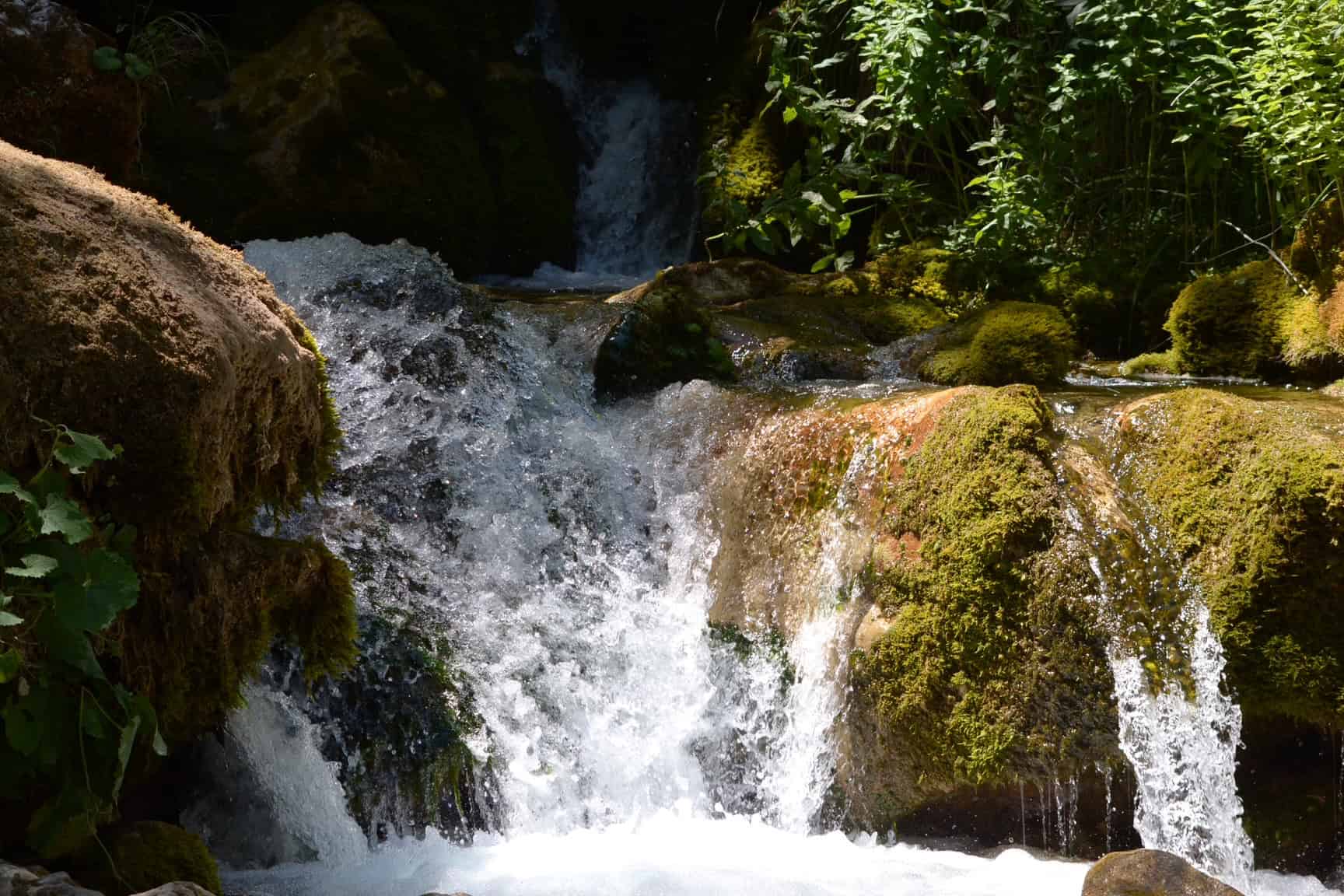
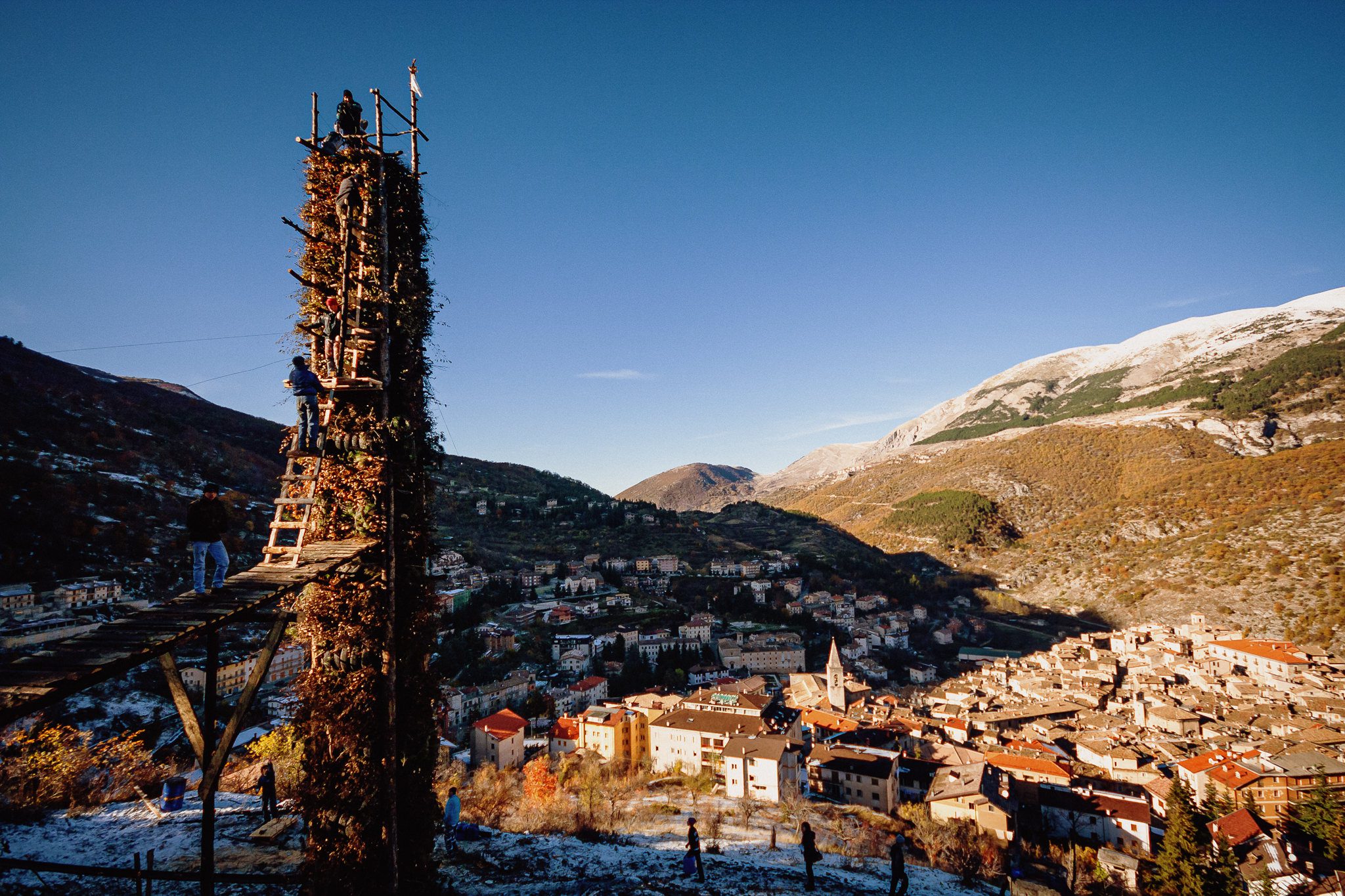
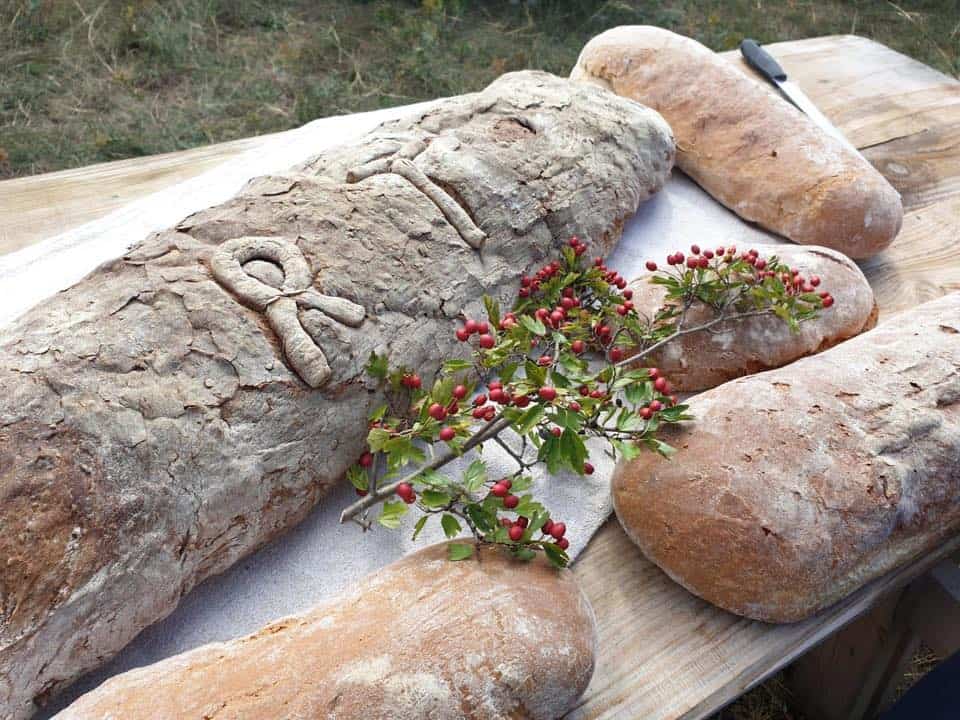
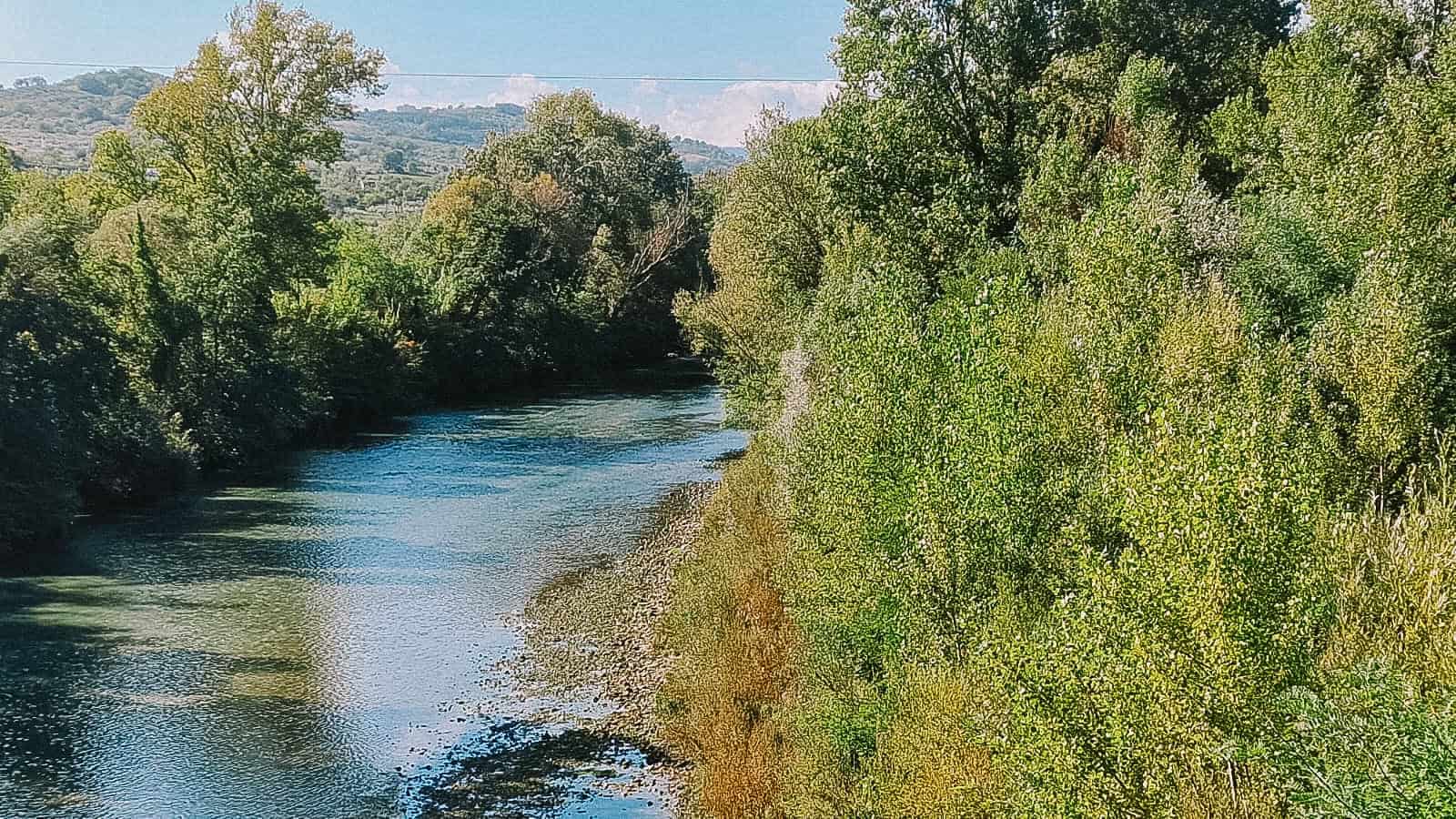
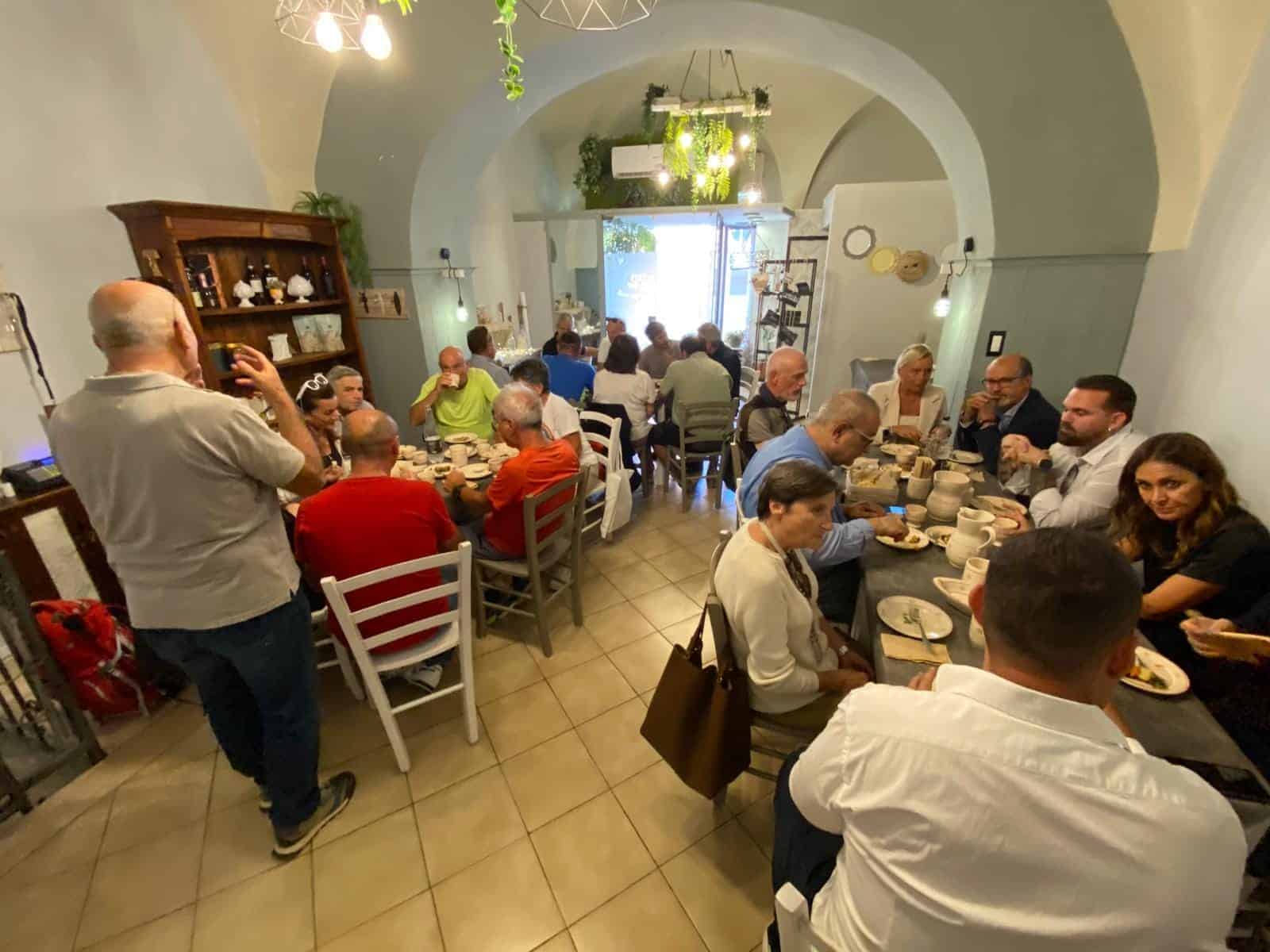
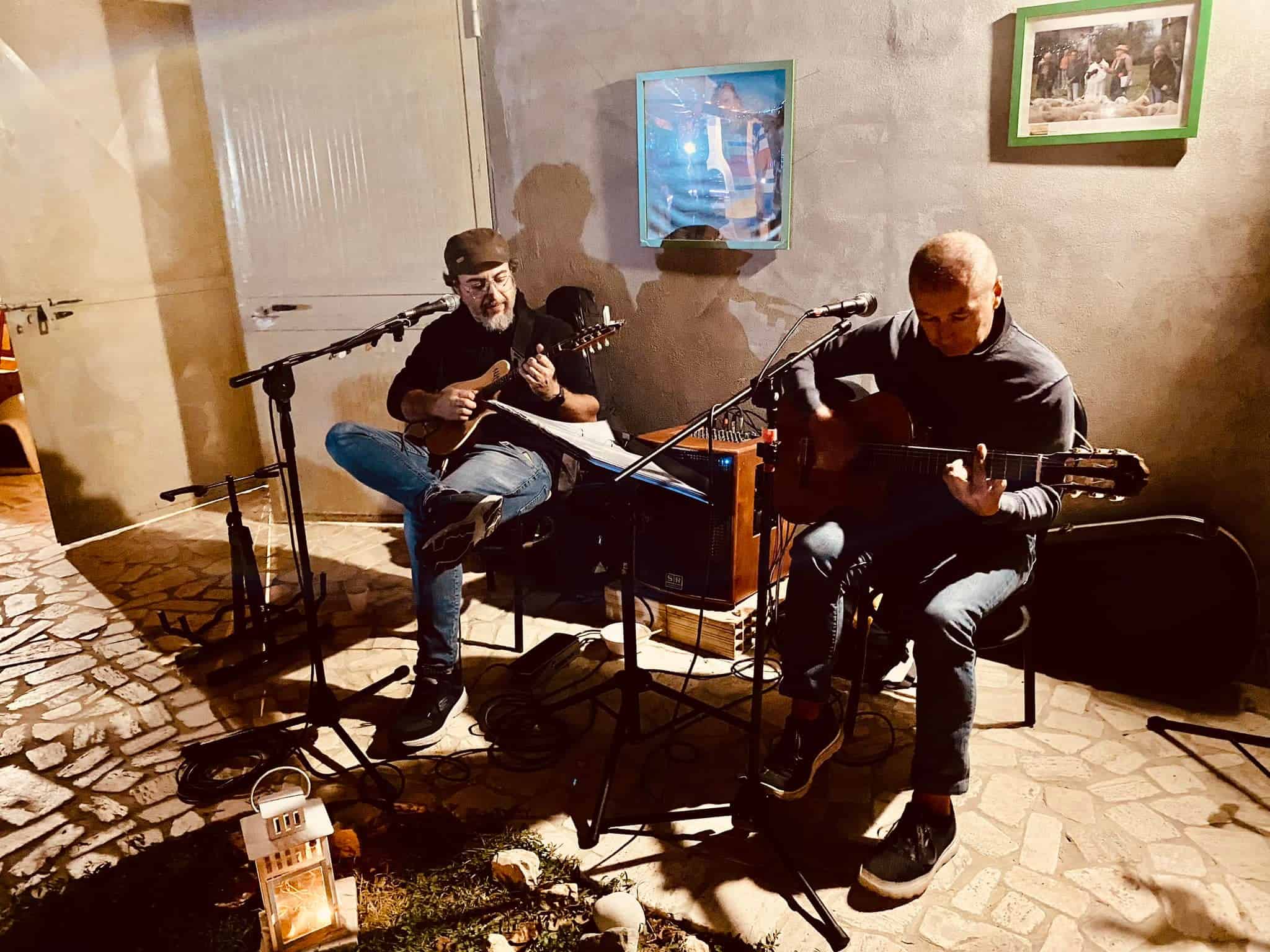
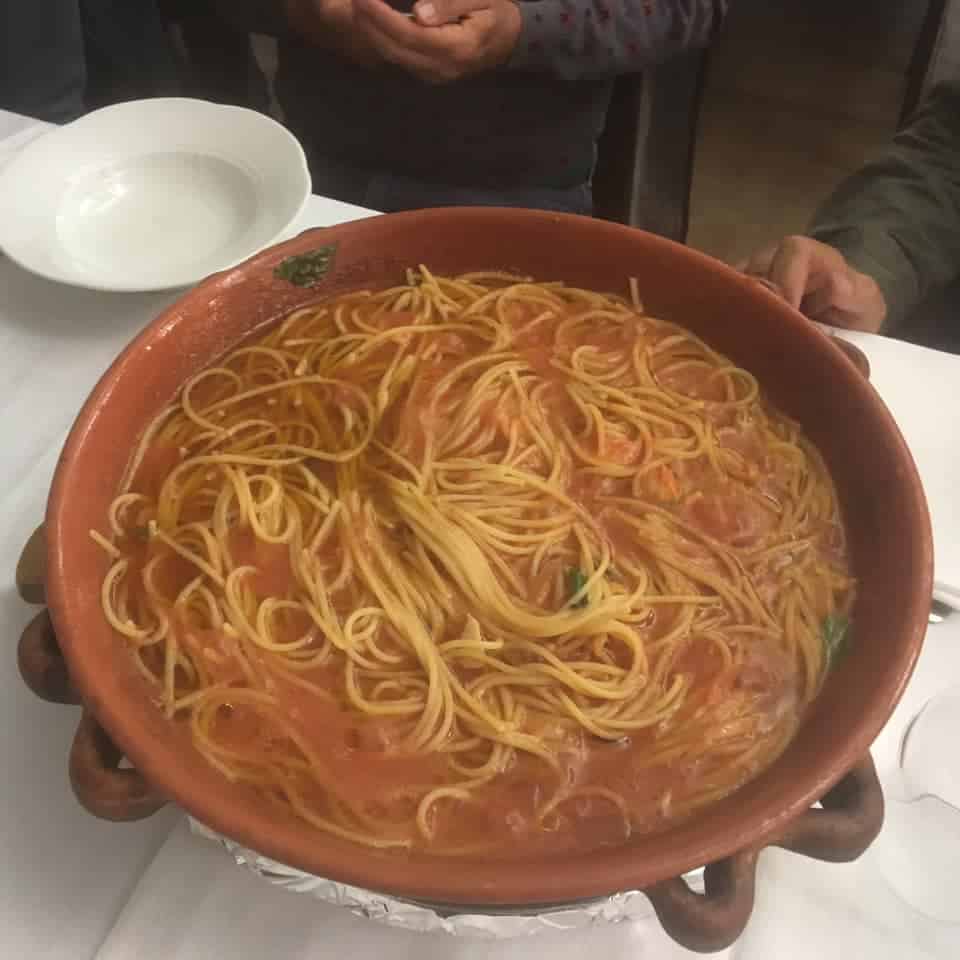
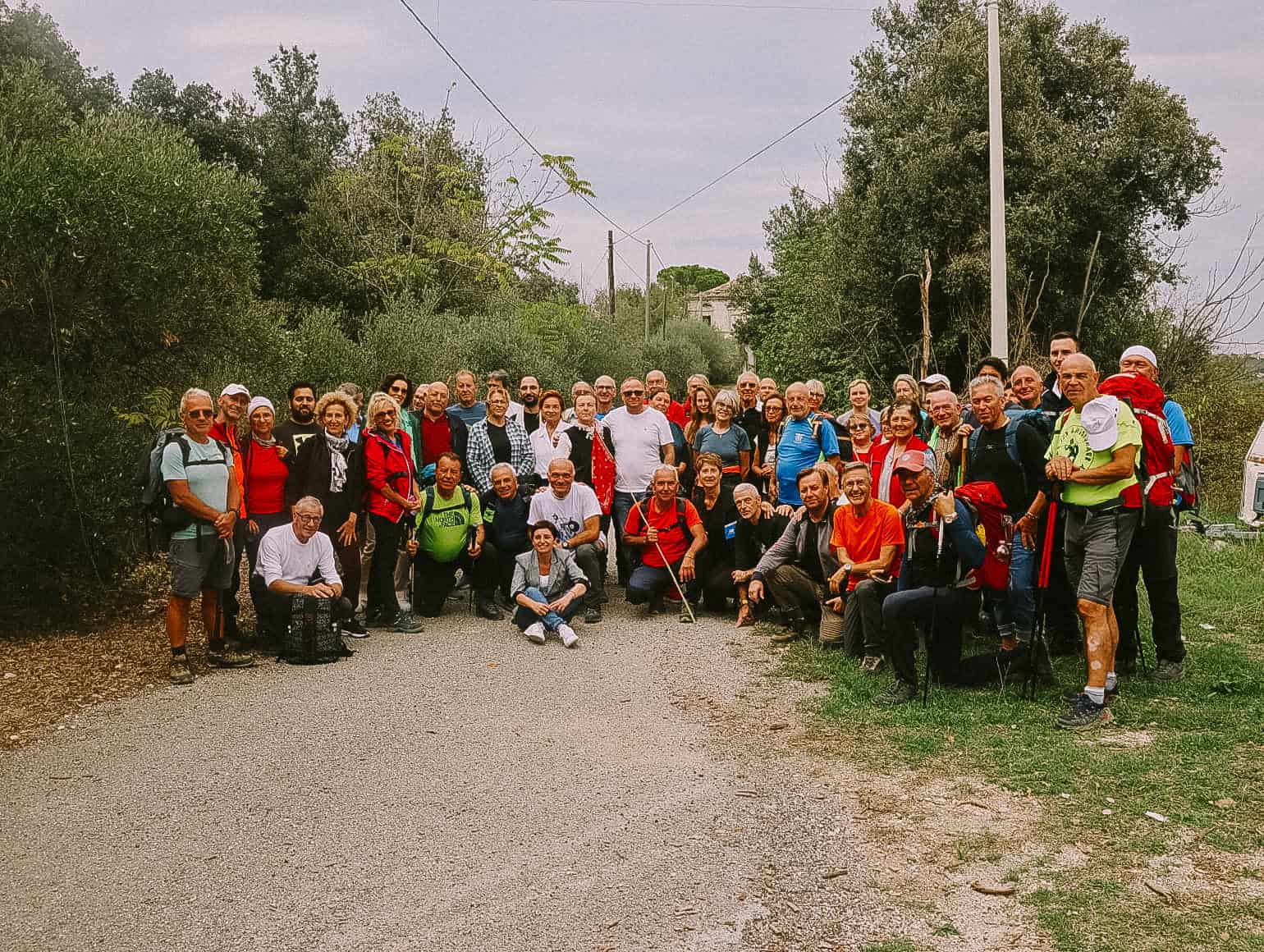
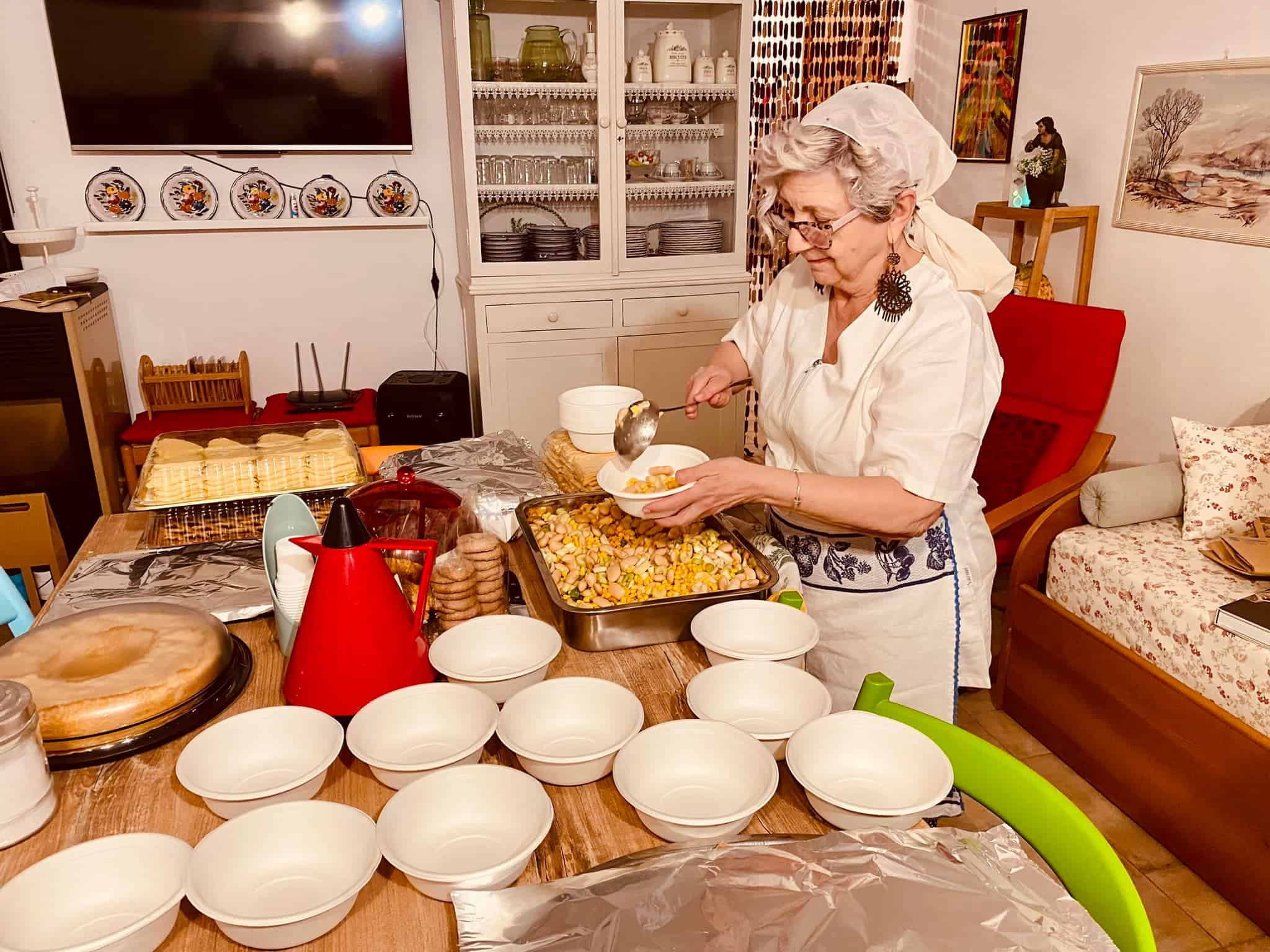
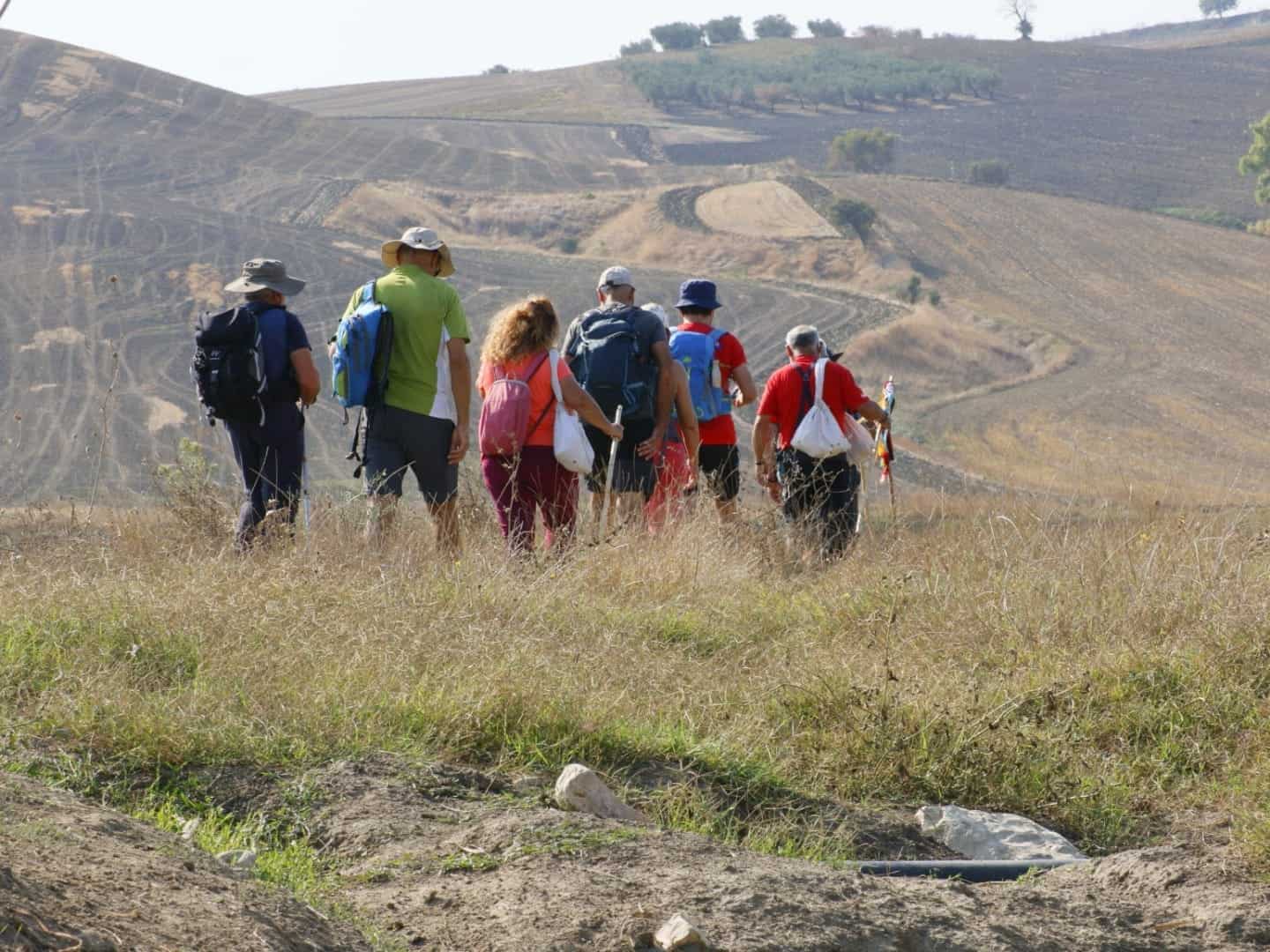
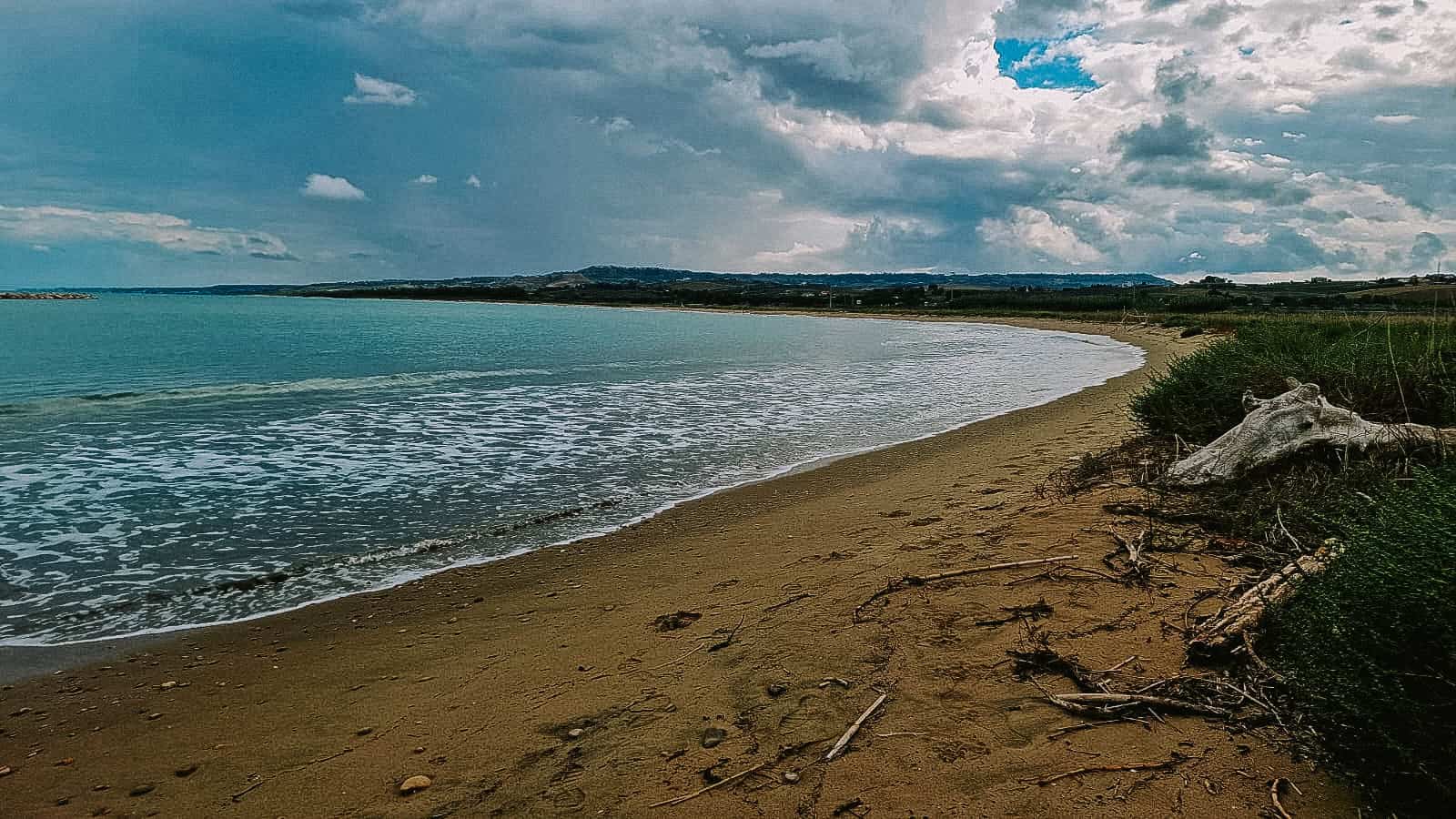
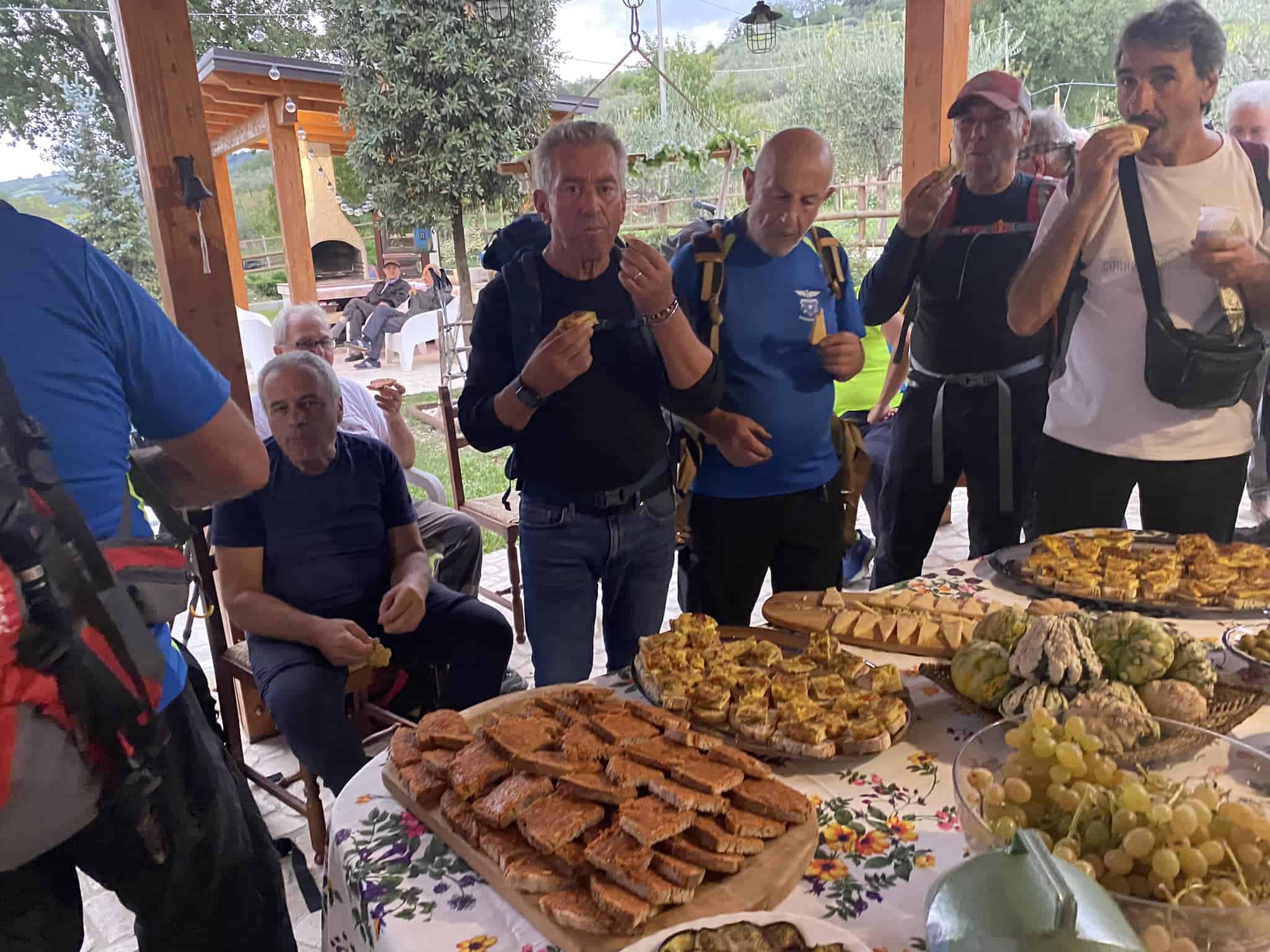
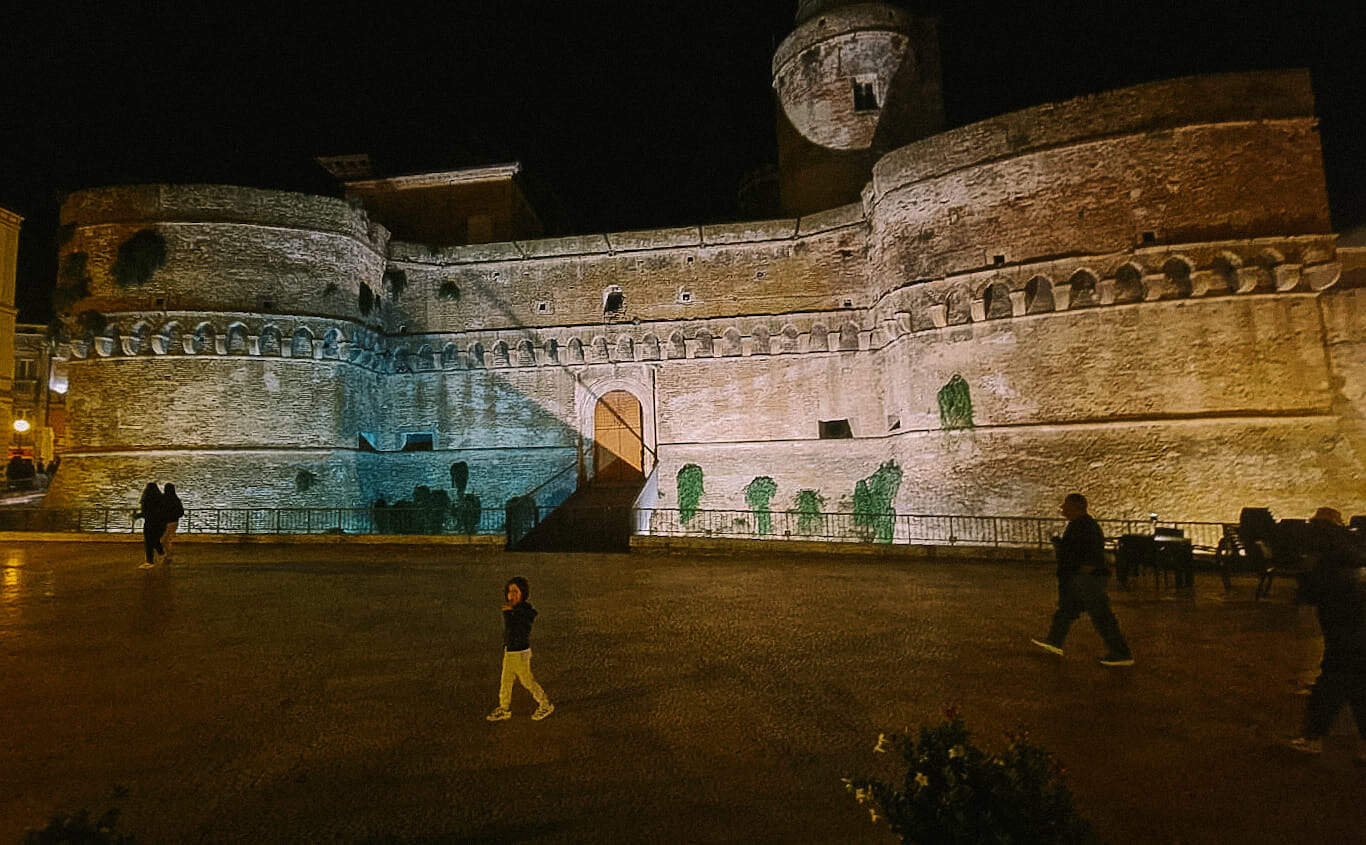
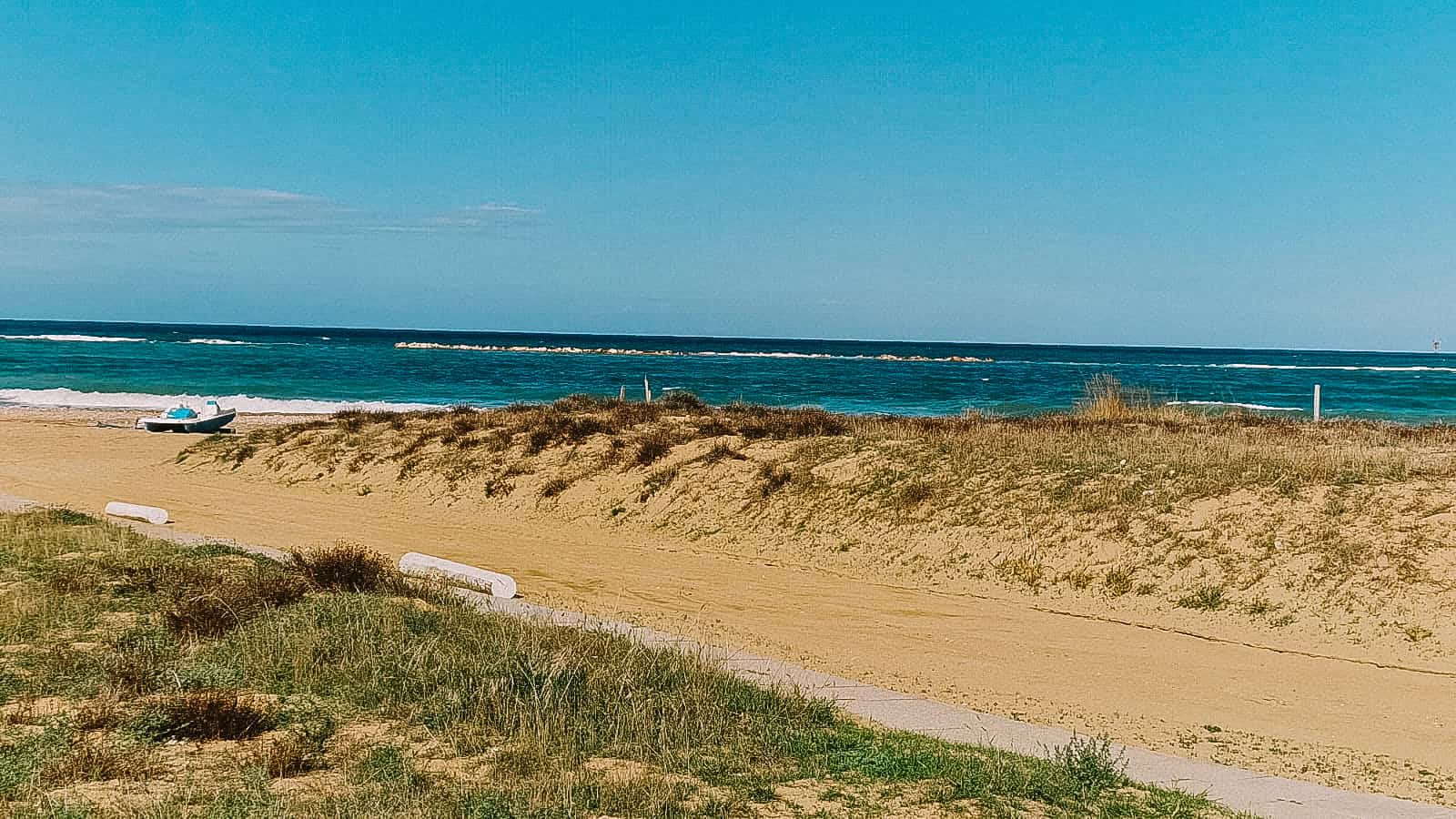
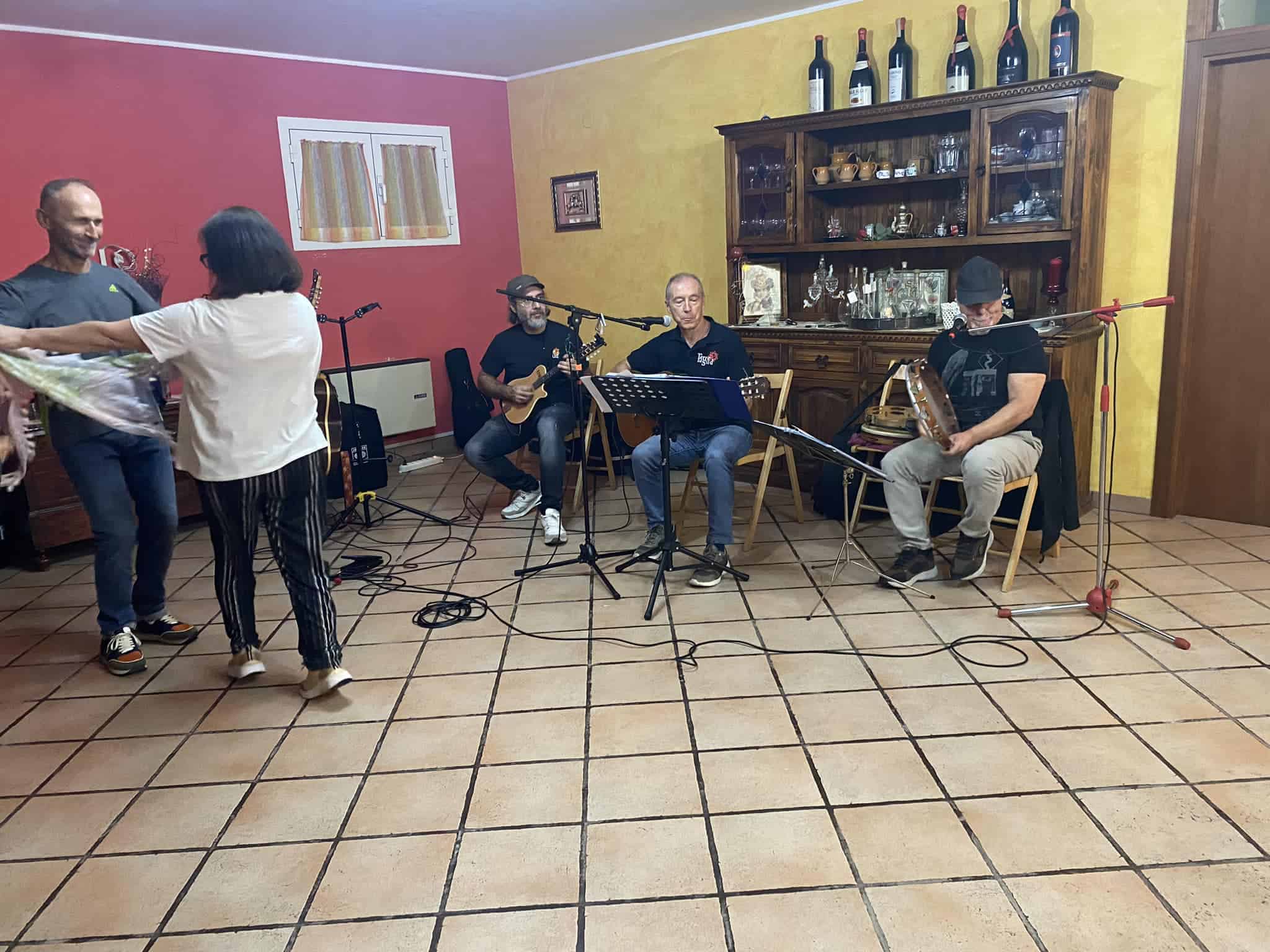
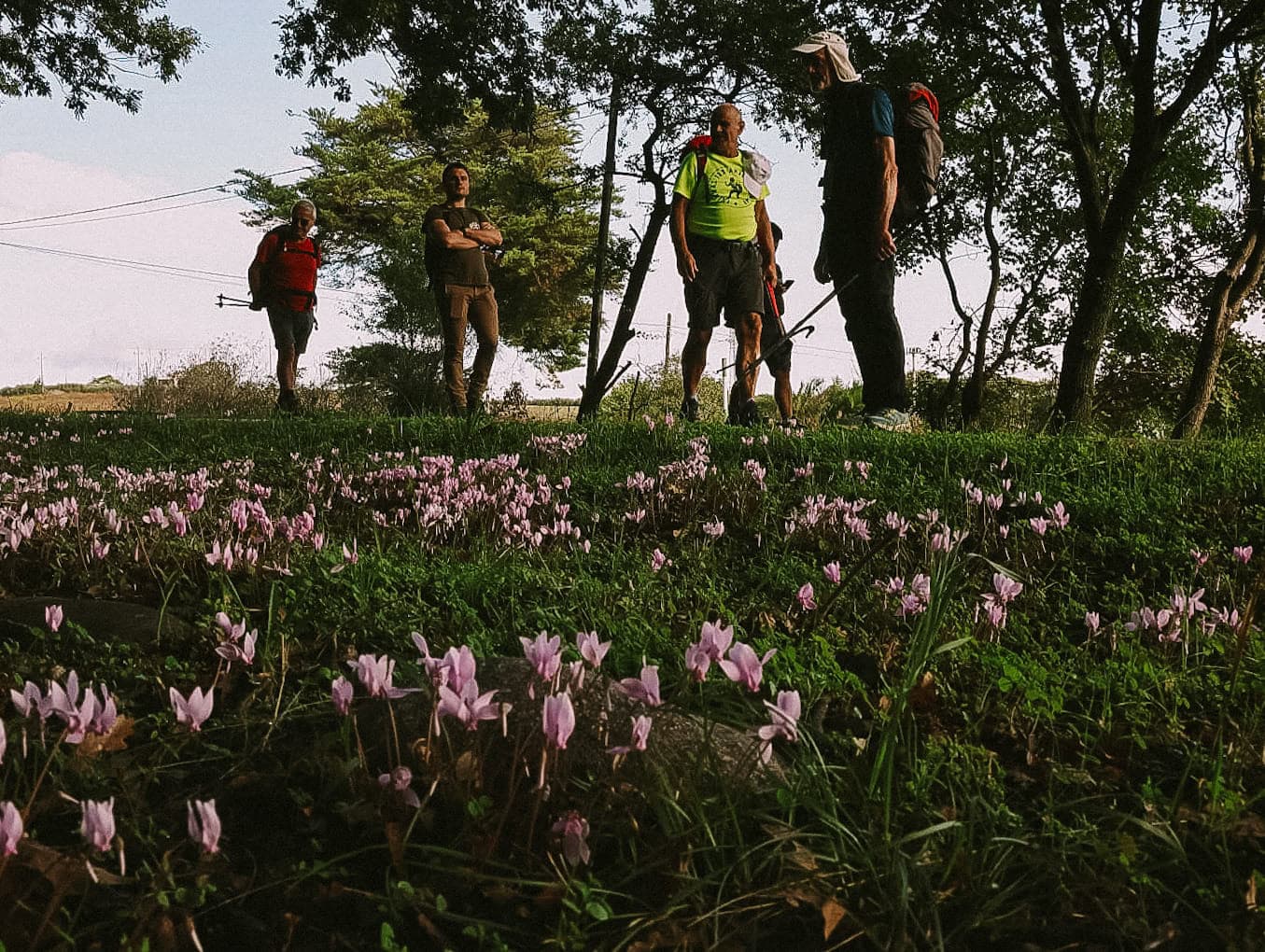
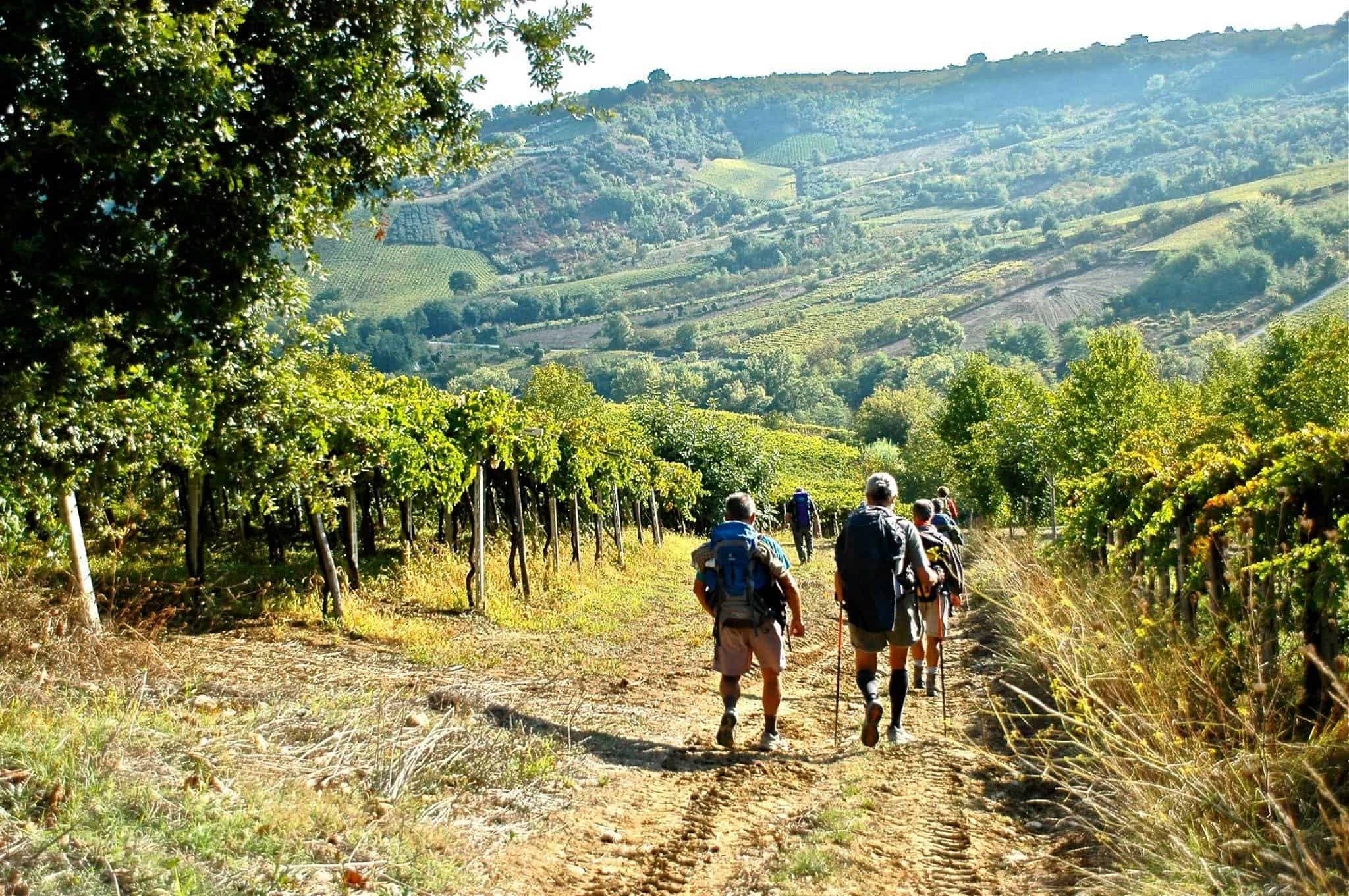
Today, as a traveller, you can walk where flocks once did, crossing Abruzzo, Molise, and Puglia over 10 days or join for a single day. You move through the light, watching the golden hour hit the high ridges above and turn them pink as you journey towards the waves of the Adriatic coast. You weave down along tranquil Molise valleys with downy oaks and horizons that run long, and finally into the plains of Puglia. You discover villages, small towns, and catch your breath at a small votive shrine. It’s a musicscape, most evenings local musicians entertain you under the stars, and in between you visit a local cantina for wine tastings, to name just one excursion. The shared food brings knowledge with it of the locality. It’s a diverse experience that brings pride in all the steps you achieve during the day, combined with the education of food, terrain, history, and the real, rural Italy of today.
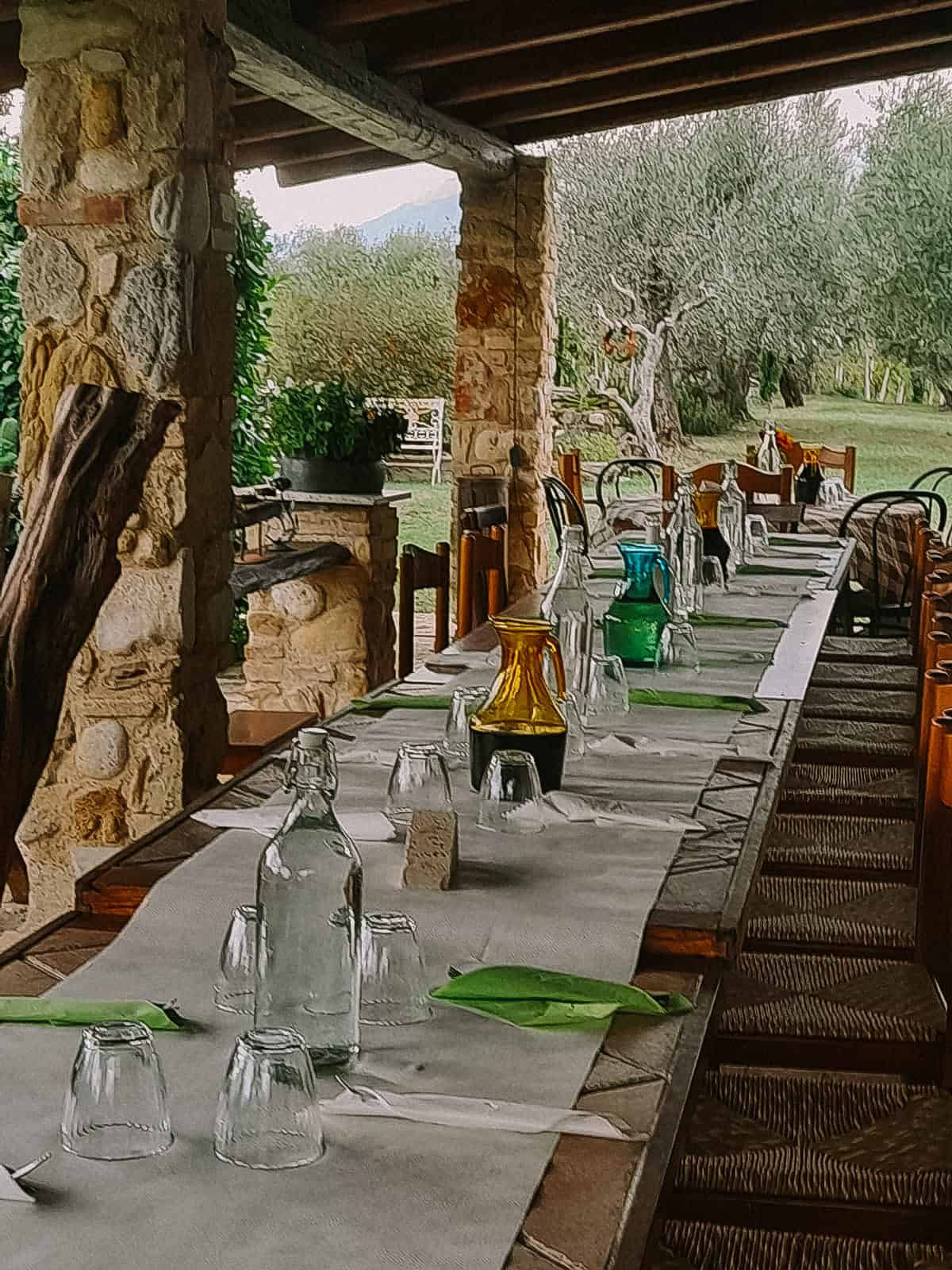
View the Landscapes, Dishes, Music Shared Together
Resiliance Through Change
The revival of the Tratturo Magno owes much to the late Pierluigi Imperiale, a vet from L’Aquila who began clearing the abandoned paths, and to his son, university professor Angelo Imperiale who has continued the tradition. In his paper ‘Using Social Impact Assessment to Strengthen Community Resilience in Sustainable Rural Development in Mountain Areas’, Imperiale and Frank Vanclay write:
“Social impact assessment (SIA) can and should play a key role in assessing regional development strategies and proposals and in building community resilience.”
They argue that the Tratturo is more than a walk. It is a “framework for action” that weaves communities back together.
“Community resilience can be understood as the social survival processes that occur within a place … put into action by local communities.”
To walk here is to help stitch that fabric. Every step you take affirms identity, pride, and the will to adapt. What was once a seasonal flow of sheep becomes a bridge of pride and purpose, fostering a sense of belonging and history for those who live here. This is travel that invites you to resist mass tourism. You will find no coaches, no crowds, and no strain on small communities. Instead, you walk, eat, and share. You help offer balance, low impact, and high return. You help ensure places are sustained, not consumed.
An Autumn Invite
The 10 Day Walk
If you walk the Tratturo Magno, it takes ten days end to end, but even a single stage offers you a reward. This is tourism as you might imagine it should be: outdoors, healthy, respectful. You have the chance to counter overtourism by living a story, not just buying into it. You leave with more than just holiday pics, but with recipes, songs, friendships, and a sense of achievement that outlasts your journey. If you can’t make it this year, consider combining it in 2026 when L’Aquila will be the cultural capital.
How to Register
See full details and how to register here for this free walk through history, and discover how looking back leads us forward.
Sam is a freelance SEO content creator and IGCSE Geography and English teacher at Istituto Cristo Re in Rome. She also runs the Life In Abruzzo Cultural Association, sharing stories and insights about this captivating region.
Alongside raising a teenager, Sam hosts guests at her family’s traditional home, the Little House of the Firefly in Abruzzo, offering a warm welcome and insider tips on local culture, food, and hidden gems.