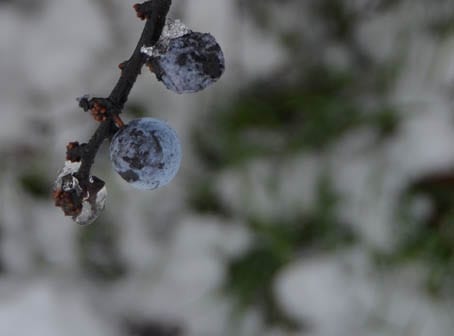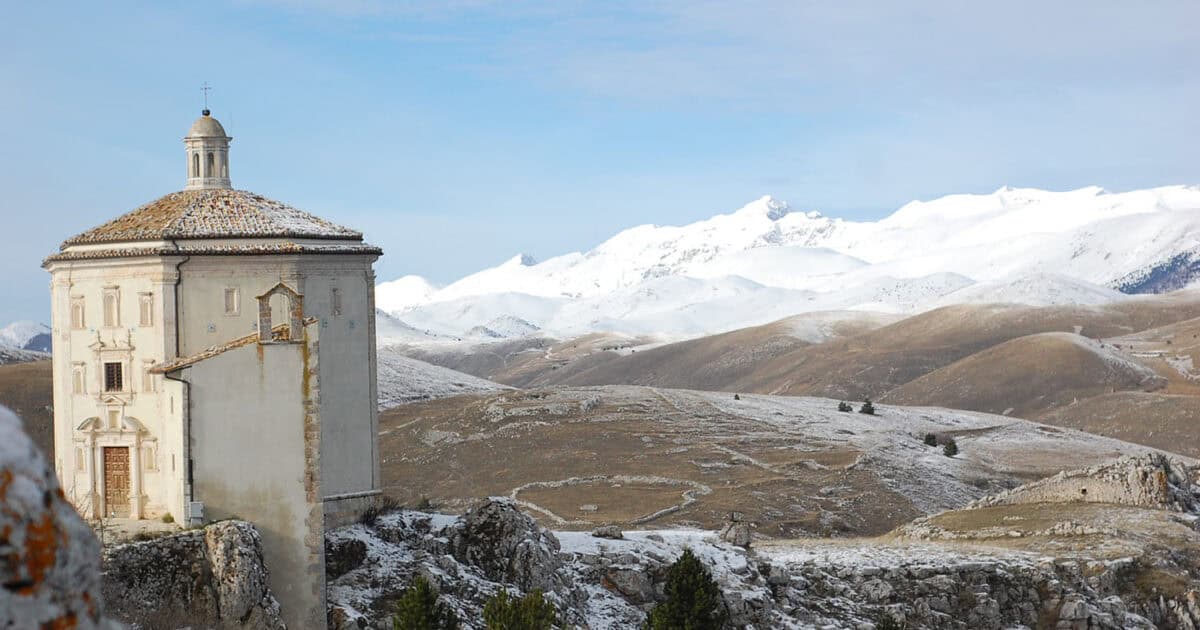
Picture this. It’s early June. You’ve just arrived in Abruzzo, fresh off a long-haul flight from Australia or the USA. You’ve packed for Italy in summer: linen shirts, sandals, and the optimism of someone who checked the weather in Rome before they boarded the plane, but on the way, in blew snow in Abruzzo.
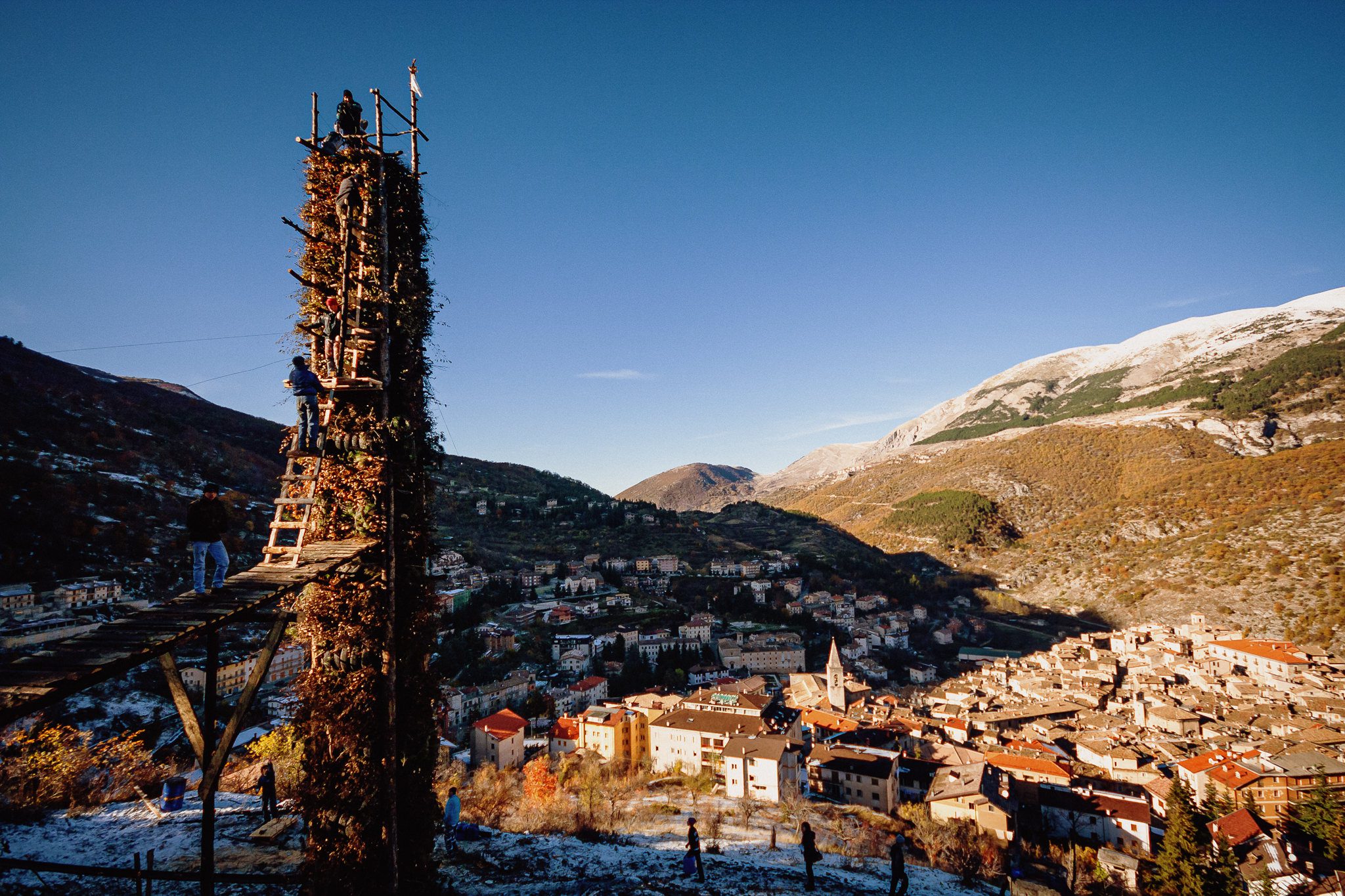
This actually happened. On the last day of May 2013, we gathered in Abruzzo for our Let’s Blog Abruzzo event. Travel writers, journalists, bloggers and content creators came from Australia, the US and across Europe, to Santo Stefano di Sessanio, a beautifully restored medieval village perched at nearly 1,300 metres in the Gran Sasso mountains. It was a wonderful few days, but it snowed just a couple of days before it started! Attendees from Melbourne and New York had packed for June in Italy, yet stood on one of Europe’s most spectacular landscapes and shivered!
 The lesson became a local motto: don’t forget your cardigan. It sounds like a joke. It isn’t.
A Legend that Knew What it was Talking About
Abruzzo’s mountain communities lived by a folk weather calendar, and one Italian entry in particular feels relevant here.
I Giorni della Vecchia – the Days of the Old Woman – the last three days of March, traditionally considered the coldest days of spring, when winter makes one final return. The legend goes that an old woman, convinced winter was over, taunted the month of March: “March, you can’t harm me now – it’s already April, and the sun is up!” March, offended, borrowed three extra days from April and used them to bring back the cold – and make the old woman ill.
When Does Snow Actually Stop in Abruzzo?
Abruzzo has two distinct climates: a Mediterranean climate along the Adriatic coast and a continental climate in the Apennine interior. That gap between zones can be dramatic. You can be eating gelato in Pescara while it’s snowing on Campo Imperatore, just an hour’s drive away.
As a general guide by altitude:
- Coast and low hills (Pescara, Giulianova, Vasto): snow is rare at any time and almost never settles after February.
- Inland valleys and towns (Teramo, L’Aquila at 700m, Sulmona): late March to mid-April is the typical last-snow window, though cold snaps can push into April.
- Hilltop villages (Santo Stefano di Sessanio, Castel del Monte, Pescocostanzo at 1,200-1,400m): snow is possible through April and occasional in May. Pack accordingly.
- High mountain plateau (Campo Imperatore, Gran Sasso above 1,800m): snowpack typically persists from November through April, and late events are well documented into June. At resort altitude, historical averages reach up to 190 days of settled snow per year.
There is also the small matter of the heating!
For anyone living in a condominium or apartment building in Abruzzo, the late spring cold snap is particularly cruel. The urge to swap winter coats for linen and pull the summer clothes down from the high shelf feels rational when the sun is warm, and the mimosa has been out for weeks. And then it snows.
Here is something worth knowing. By law, central heating in shared buildings across most of Abruzzo – Pescara, Chieti, Teramo, L’Aquila – must be switched off by 15 April. That’s it. The date is fixed. Mayors can extend it in exceptionally cold weather, but in a normal year, the radiators stop regardless of the weather outside. The only exception is the highest mountain towns – Roccaraso, Ovindoli, and Pescasseroli – which have no legal heating restrictions at all. Everyone else is on their own. With a cardigan.
Why Late Snow Still Happens – and What the Science Says
Here is why late snow still happens. A warmer sea holds more moisture, and the oceans are warmer than the 48-year average for this period. The Mediterranean has warmed by over 1°C in 25 years. That moisture rises, hits the cold Apennines, and falls as snow, often heavier than before. A warming planet and a late snowfall in the same week are not a contradiction. They are directly connected.
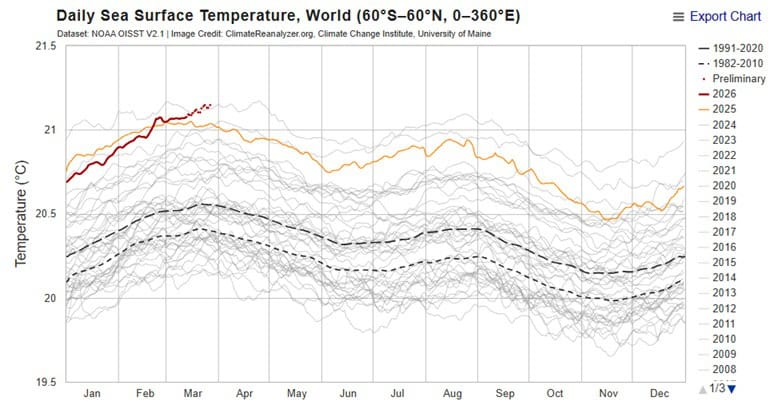
But the other side is just as real. Rivers run high in March and dry by July. The Calderone glacier on Gran Sasso, the southernmost glacier in Europe, sits above Campo Imperatore and retreats every year. More winter snow, but faster spring melt. The glacier is still shrinking. It has existed for millennia. It has almost disappeared within a human lifetime.
The Adriatic is Rising – Saltwater is Pushing into Freshwater – Coastlines are Eroding
Italy is changing its climate classification. Most of it is currently temperate Mediterranean – four seasons, wet winters, hot dry summers. But parts have already entered a hot, semi-arid climate, the climate of a near-desert. Too dry for forests. Dependent on irrigation. Summer drought is the norm, not the exception.
Those places are not far away. Parts of Sicily, Sardinia and Lampedusa – the Italian island closer to Tunisia than to Rome – are already there. So is Malta. For American readers: California’s Central Valley is the same classification. Drive through Fresno in August. That is not lush. That is what is heading for southern Italy. Under current projections, southern Europe will resemble today’s North Africa by the end of this century.
Abruzzo has more time. The mountains help. But the same forces are at work here.
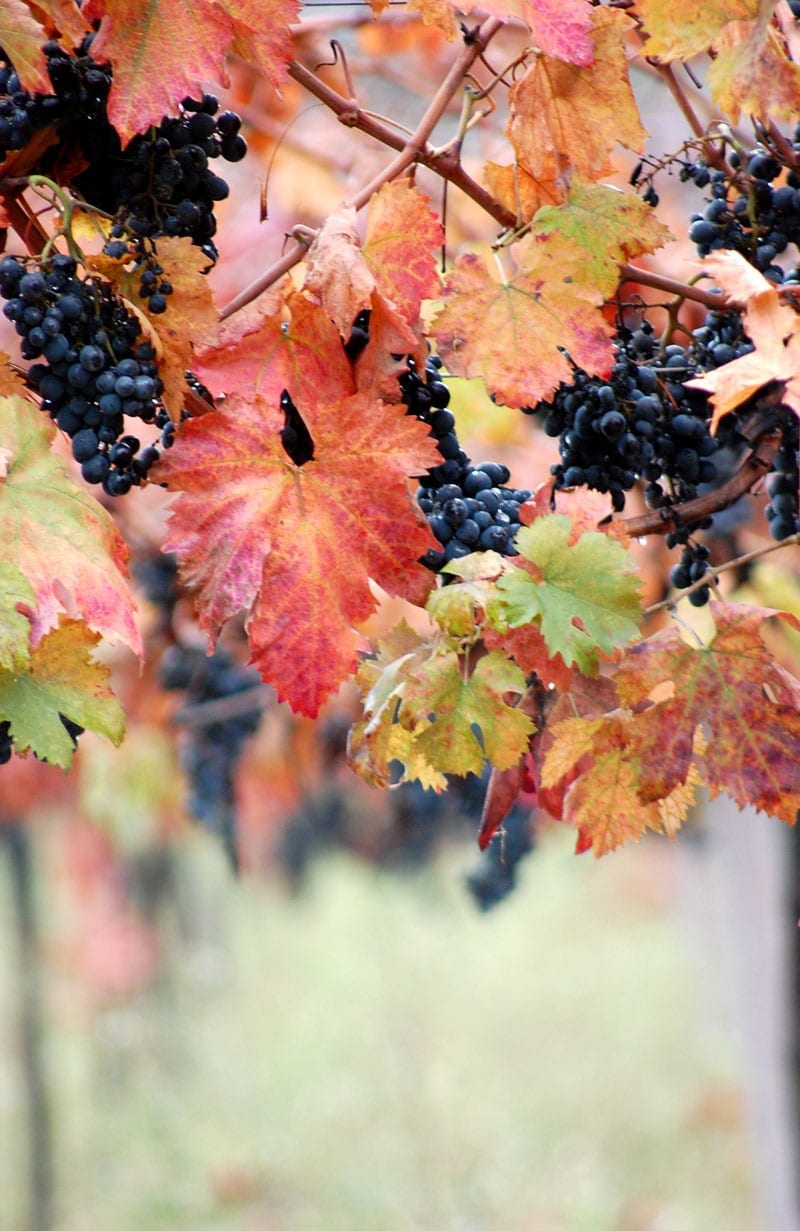
The damage shows up in the fields every spring. Late frosts hit crops at the worst moment – in blossom. Two or three degrees below zero for a few hours destroys an entire harvest. Almonds, cherries, peaches and apricots all bloom early. Once a late frost arrives, they have no defence. Vineyards have lost up to 70 per cent of production in a single season. Vegetables and commercial wheat grains are just as vulnerable.
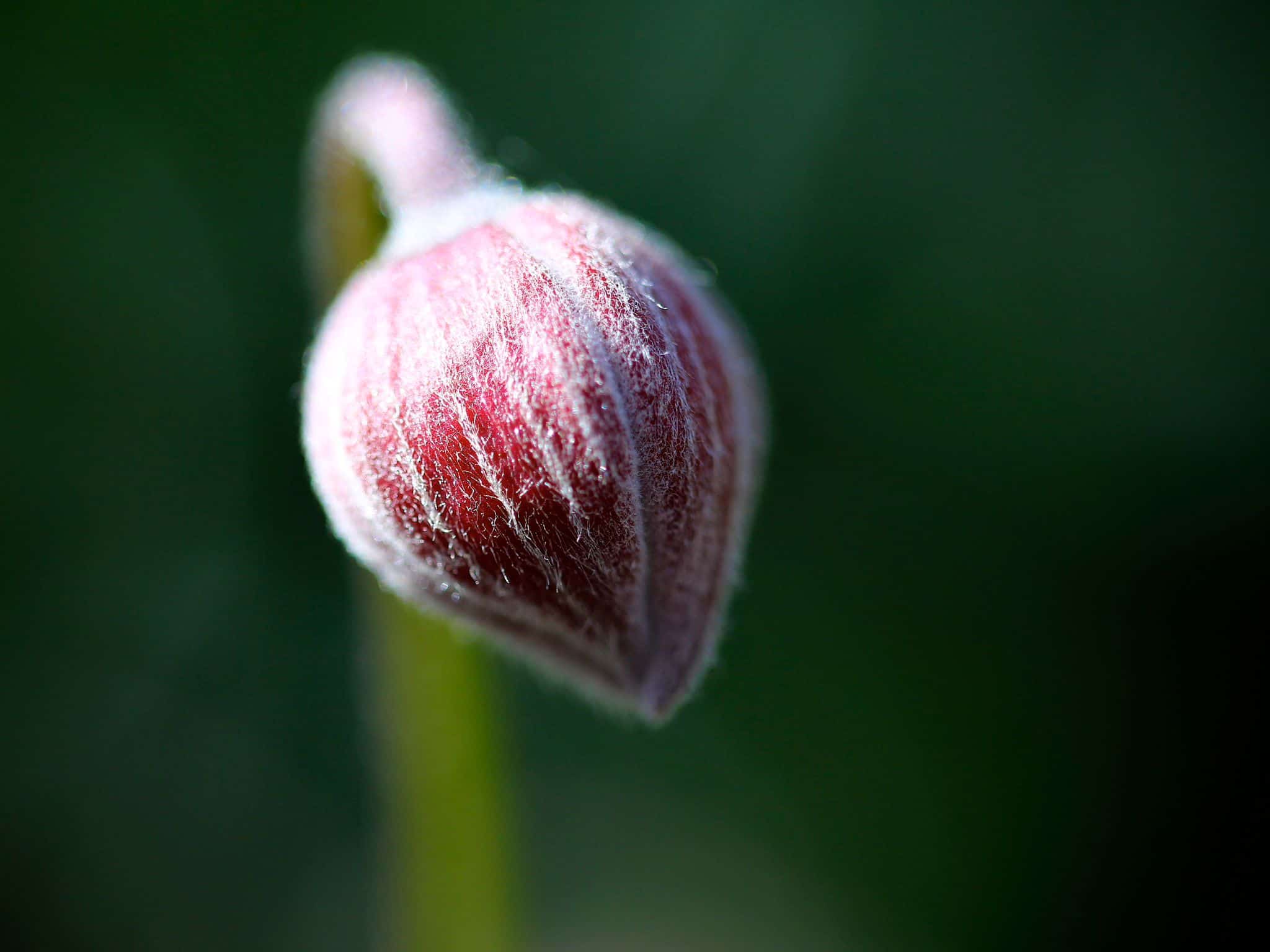
This is not a romantic dusting of snow on a rooftop. For farming families, it can mean a whole year’s work gone overnight.
In the first three months of 2023 alone, 337 farming businesses closed across Abruzzo. Chieti was hit hardest – 157 farms gone in one quarter. By the end of 2024, a further 653 had closed. That year, cereal harvests fell 30 per cent. Fruit fell 20 per cent. Estimated damage: 150 million euros. One year. This is the food on your plate, grown by families who are running out of road.
Late spring snow is not evidence that climate change isn’t happening. It is evidence that it is. The seasons are not shifting gently. They are breaking apart.
The Practical Takeaway (Don’t Forget Your Cardie)
If you’re visiting Abruzzo’s mountains or hilltop villages between March and May, pack a warm mid-layer. June on the high plateau is not summer by any definition most travellers carry with them.
If you’re heading to the mountains specifically – for hiking, photography, or one of the region’s food festivals – add a waterproof too. Not as a precaution. As a basic necessity.
Pack your cardigan. Despite what Facebook thinks, the science is settled – Abruzzo’s glacier isn’t coming back.
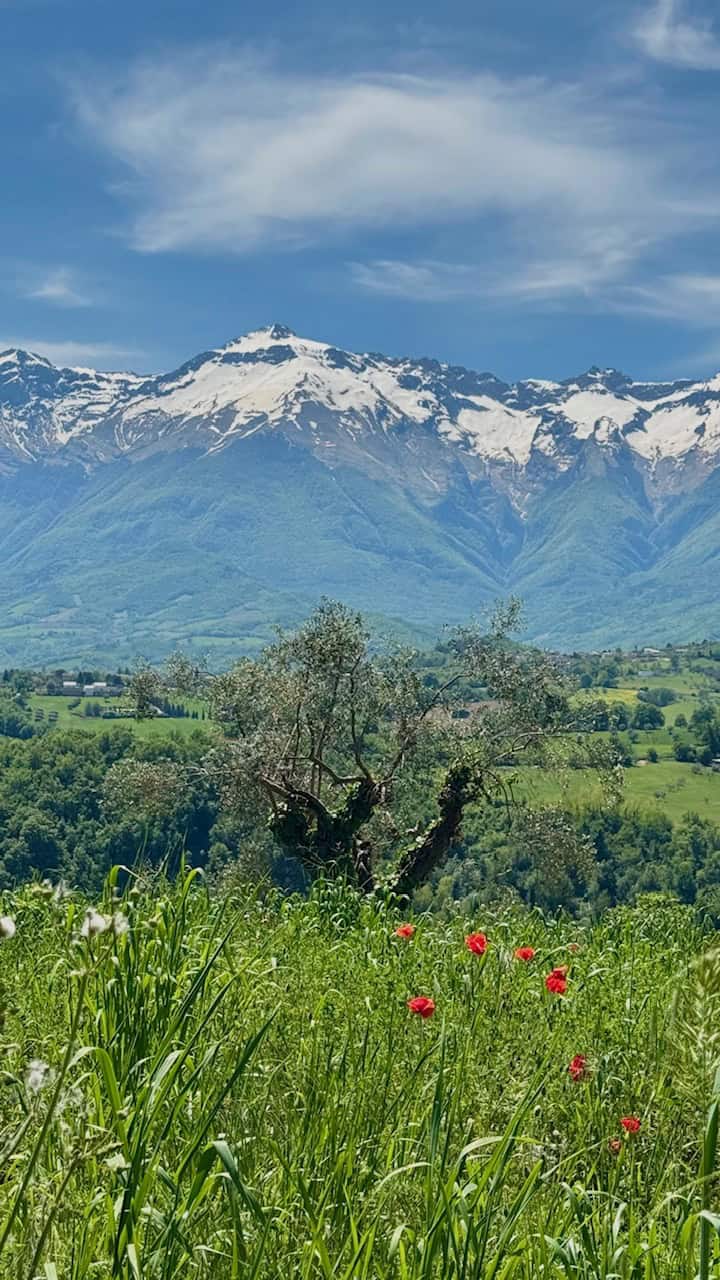
Got caught out by late snow in Abruzzo? Tell us about it in the comments.
Photos Sam Dunham & Pete Austin

Author: Sam Dunham
Sam is a freelance SEO content creator and IGCSE Geography and English teacher in Rome. She also runs the Life In Abruzzo Cultural Association, sharing stories and insights about this captivating region. Alongside raising a teenager, Sam hosts guests at her family’s traditional home, the Little House of the Firefly in Abruzzo, offering a warm welcome and insider tips on local culture, food, and hidden gems.