Our Climate Emergency at Play in San Benedetto dei Marsi and Pescina: Flooding, Food, and Forgotten Art of Project Management
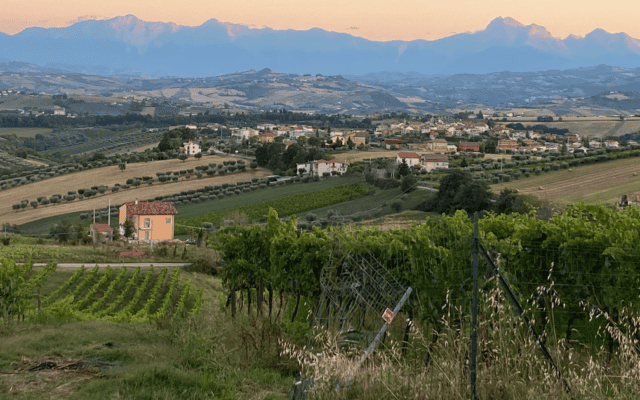
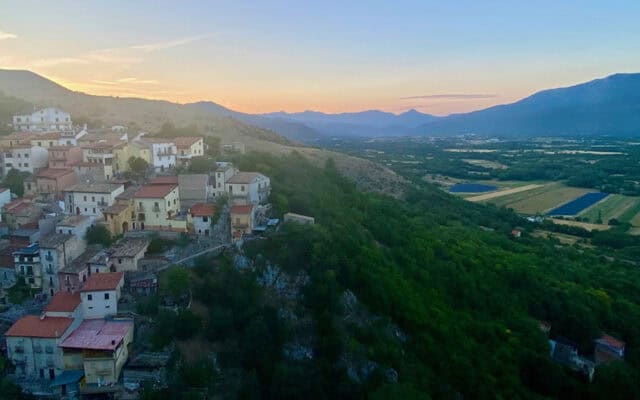
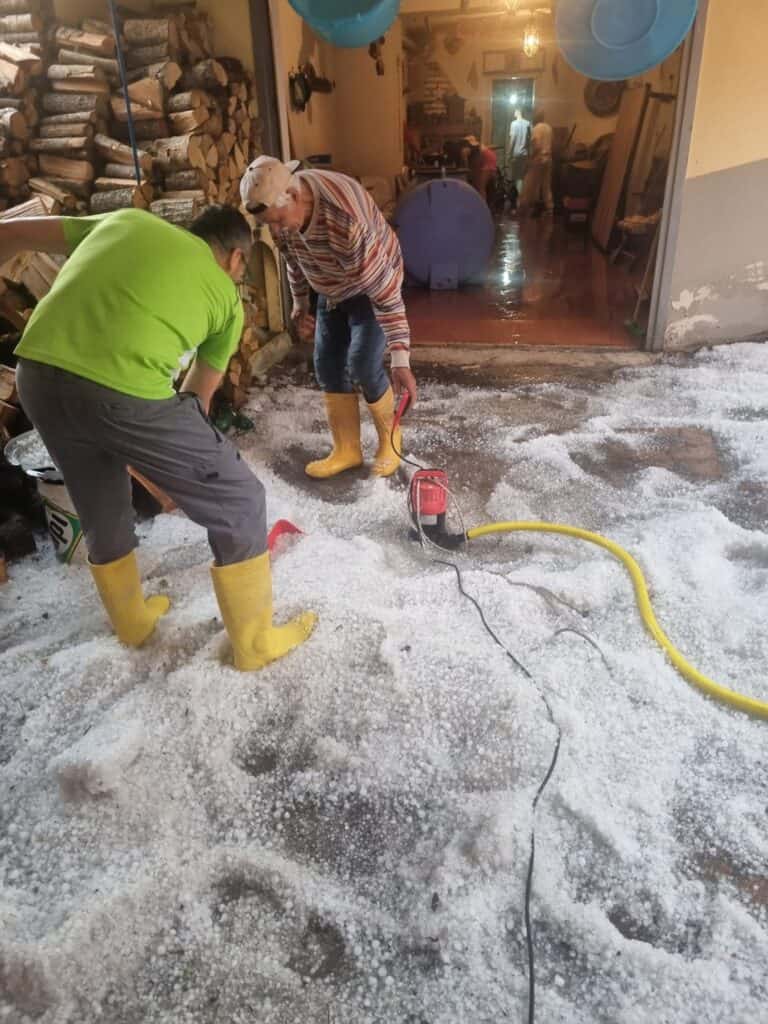
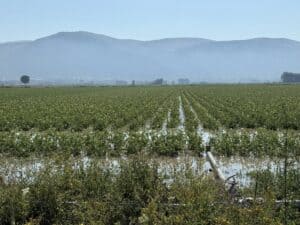
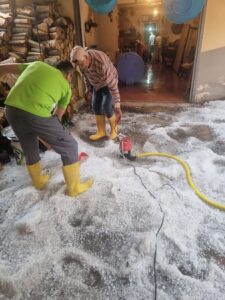
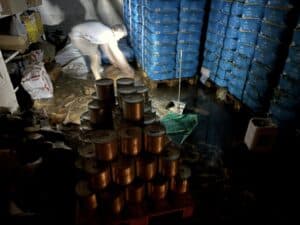
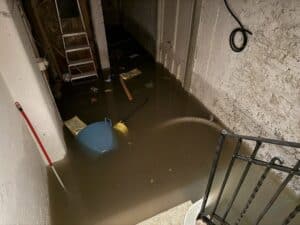
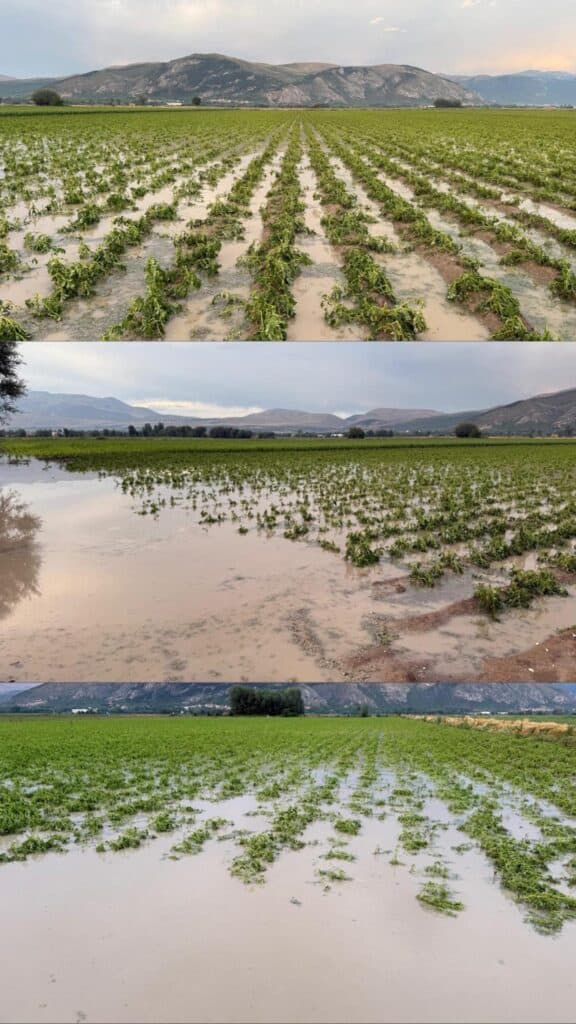
The climate emergency showed its head this week loudly and destructively in San Benedetto dei Marsi and Pescina, nestled in the heart of Abruzzo’s Fucino basin. After a waterbomb that included a violent hailstorm and flash flooding, the mayor of San Benedetto has called for urgent assistance. The area’s famed agriculture—particularly its delicious yellow potatoes—has been badly hit, with crops wiped out, storage cellars flooded, and serious damage to homes and infrastructure.
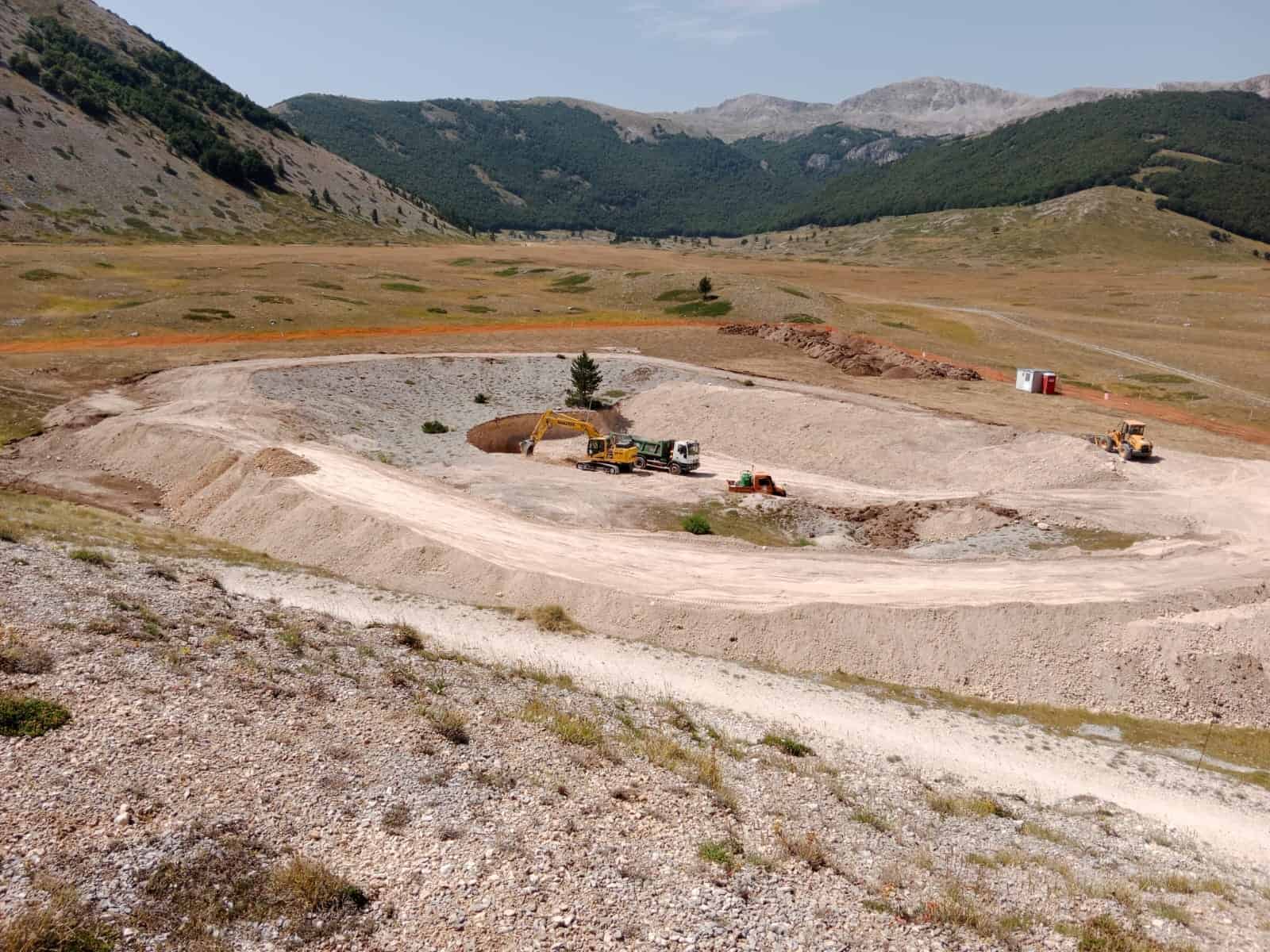
What was once a lake is now the Fucino plain that acts as a lifeline for central Italy’s fresh produce. Residents now worry not only about crop losses and increased food prices. On the arrival of floods in any area with significant landfill sites like the ‘Sbirro Morto’ in San Benedetto, a ‘natural’ landfill site, there is the potential for toxins to be washed into the soil and water system This event is not an anomaly. It’s part of a growing trend in a region, long challenged by water management.
Fucino Water Management – From Rome to…
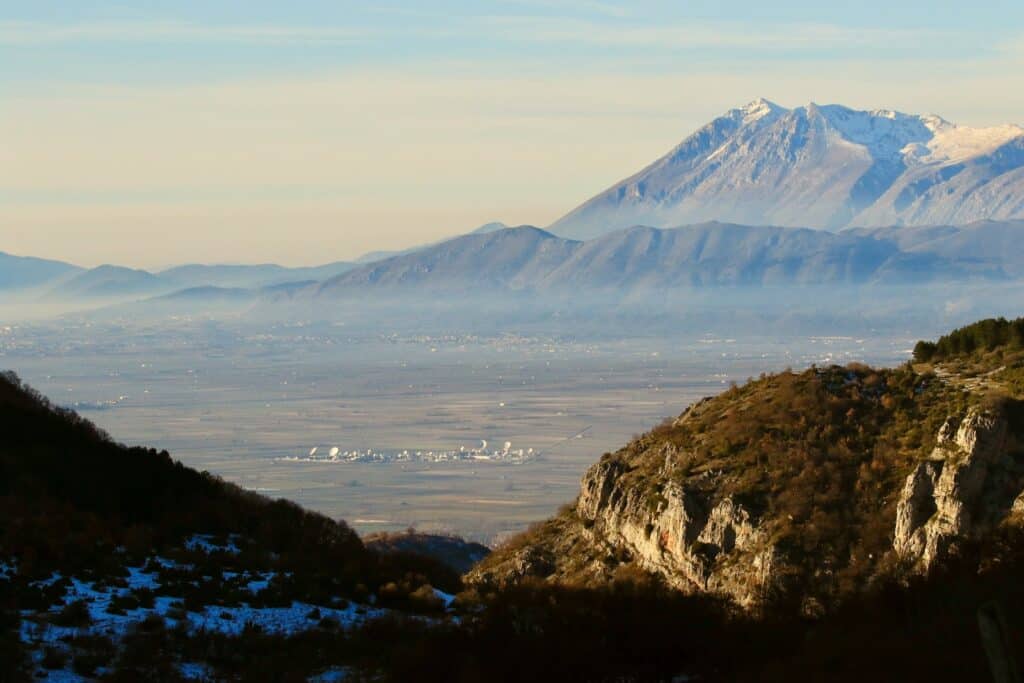
It was Emperor Claudius who first decreed on a managed water solution for the area. He ordered a 5.6 km tunnel beneath Mount Salviano to drain Lake Fucino into the Liri River. Despite landslides and a disastrous inaugural event—where a wave struck the imperial banquet—the project partially succeeded, lowering the lake’s level and opening fertile land for agriculture. The lake, however, wasn’t fully drained until the 19th century, when the Torlonia family completed the work, transforming the entire basin into one of Abruzzo’s most productive farming areas.
And yet, in 2025, with all our technology, we find ourselves struggling once again. 12 years after The Fucino Water Project was created, but there are still major holdups!
This project’s aim was to modernise old irrigation and drainage systems, improve flood resilience, improve water quality, reuse treated wastewater for crops, create a long-term Basin Management Plan and comply with the EU Water Framework Directive.
It was originally planned at €50M and is now estimated at €250M. Only partial funding has been secured so far (e.g., €1.59M pilot project started in 2025). A €65M proposal under Italy’s development fund (CIS) is still pending.
It has been held back through delays in environmental permits, bureaucracy and unclear agency roles. There are concerns over aquifer overuse and climate change risks. Watchdogs say water availability has been overestimated.
2025 saw the first wastewater reuse pilot launch near Avezzano and basin-wide studies and planning mostly complete. Yet the flash floods that recently swept through San Benedetto show how urgent and underprepared we remain. sh floods are the second-deadliest weather hazard after extreme heat, especially in mountainous areas like Abruzzo, where steep inclines funnel rainwater with terrifying speed. These aren’t just destructive—they can turn landfills, sewage systems, and agricultural runoff into vectors of pollution, spreading toxicity through fields, rivers, and homes.
Towns That Deserve Better
San Benedetto dei Marsi, once the thriving Roman town of Marruvium, suffered near-total destruction in the 1915 Fucino Earthquake, one of Italy’s deadliest seismic disasters. Rebuilt over time, it remains vulnerable—not only to tremors, but now to climate-driven extreme weather.
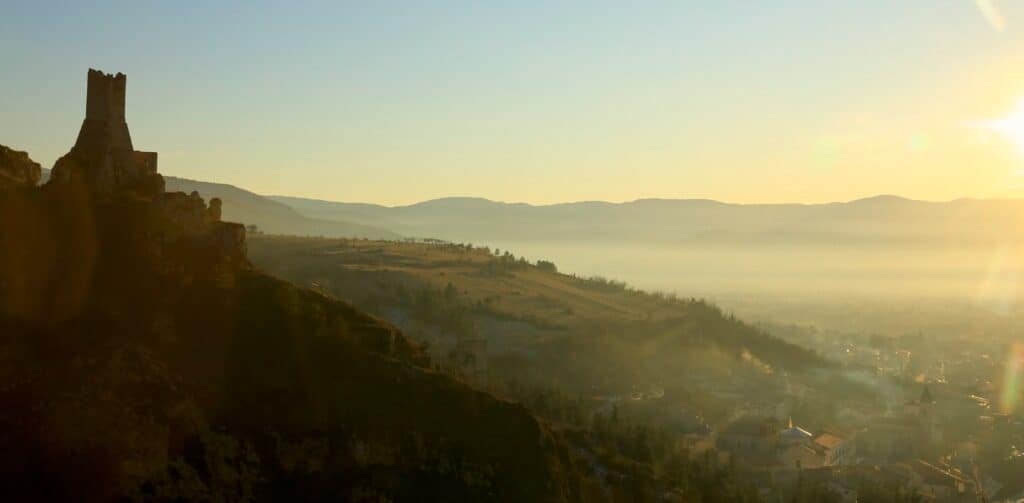
Just 10 km away lies Pescina, known globally as the birthplace of writer Ignazio Silone, author of Fontamara, which gave voice to the struggles of rural Abruzzese farmers in the early 20th century. His legacy feels especially relevant today, as the same soil his characters toiled upon is again under threat – this time from droughts, water management and prioritising the climate emergency.

Alongside raising a teenager, Sam hosts guests at her family’s traditional home, the Little House of the Firefly in Abruzzo, offering a warm welcome and insider tips on local culture, food, and hidden gems.

Author: Sam Dunham
Sam is a freelance SEO content creator and IGCSE Geography and English teacher in Rome. She also runs the Life In Abruzzo Cultural Association, sharing stories and insights about this captivating region. Alongside raising a teenager, Sam hosts guests at her family’s traditional home, the Little House of the Firefly in Abruzzo, offering a warm welcome and insider tips on local culture, food, and hidden gems.