Today is World Book Day, so let’s take a look at the many faces of Ignazio Silone’s Fontamara.
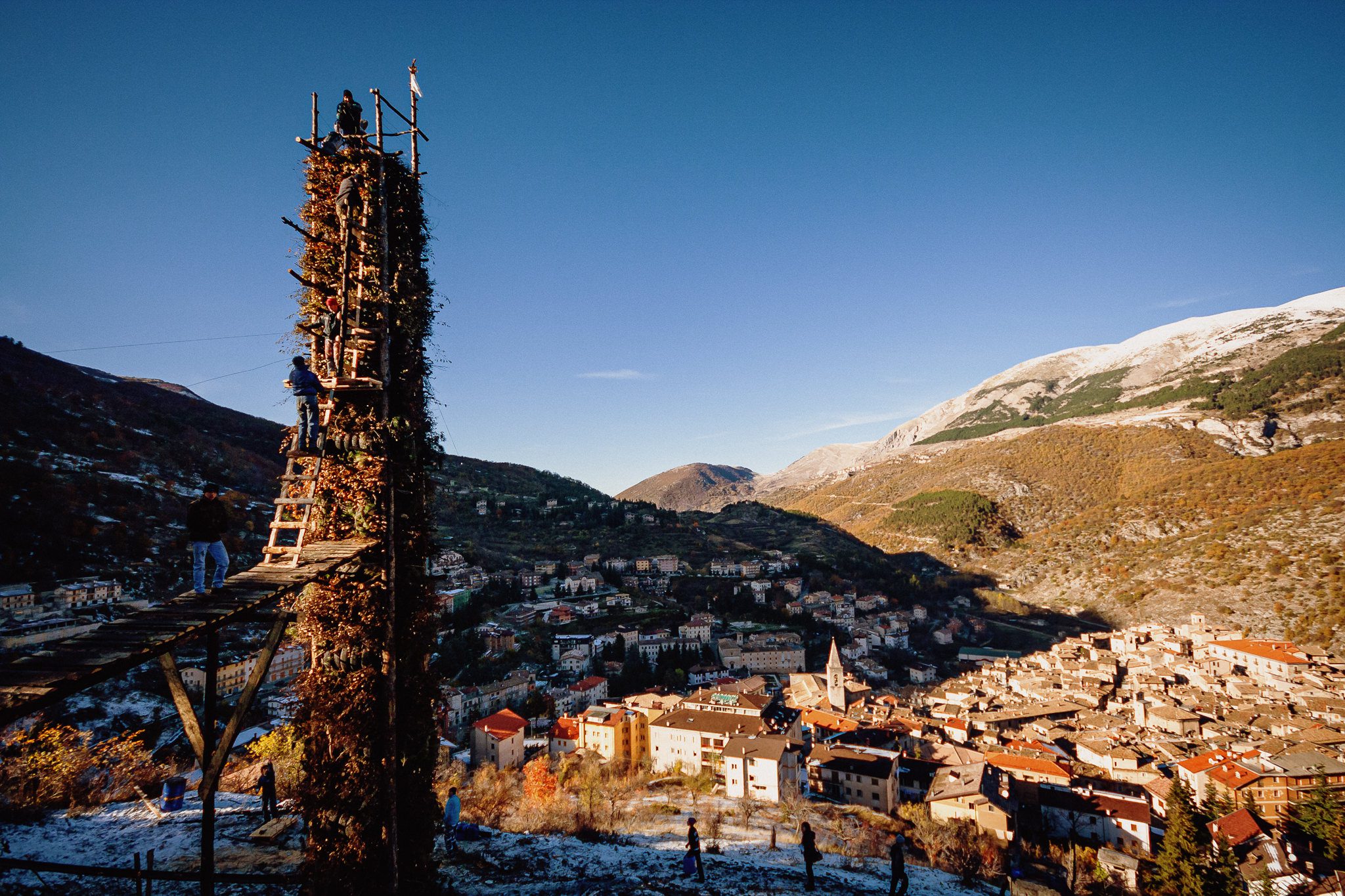
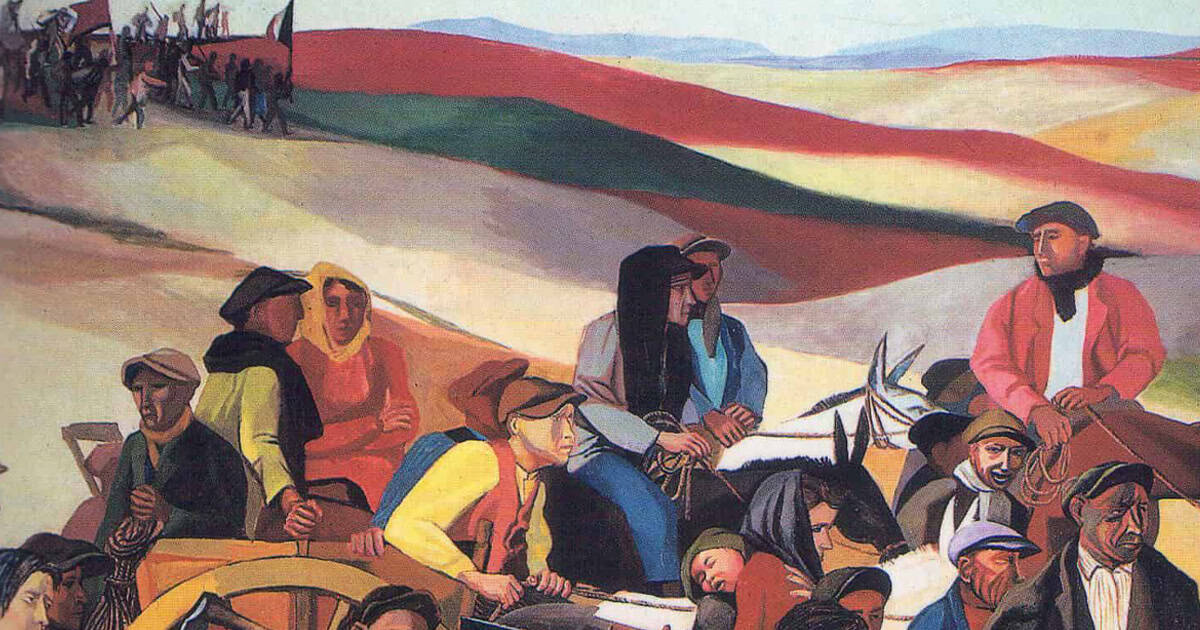
Born in Pescina in the Marsica, Silone drew his fictional village straight from the hills of Abruzzo. First published in 1933, Fontamara tells the story of crooked water deals, corrupt fascist officials, rural ignorance, and a money machine grinding down the small dreams of the cafoni. Over ninety years on, how little has changed.
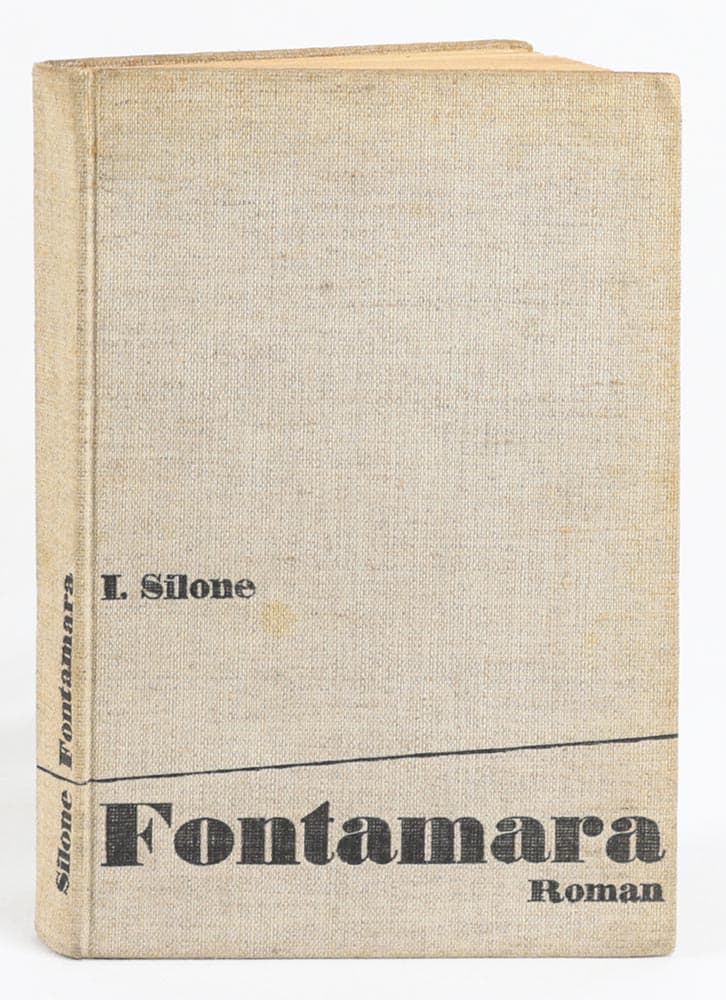
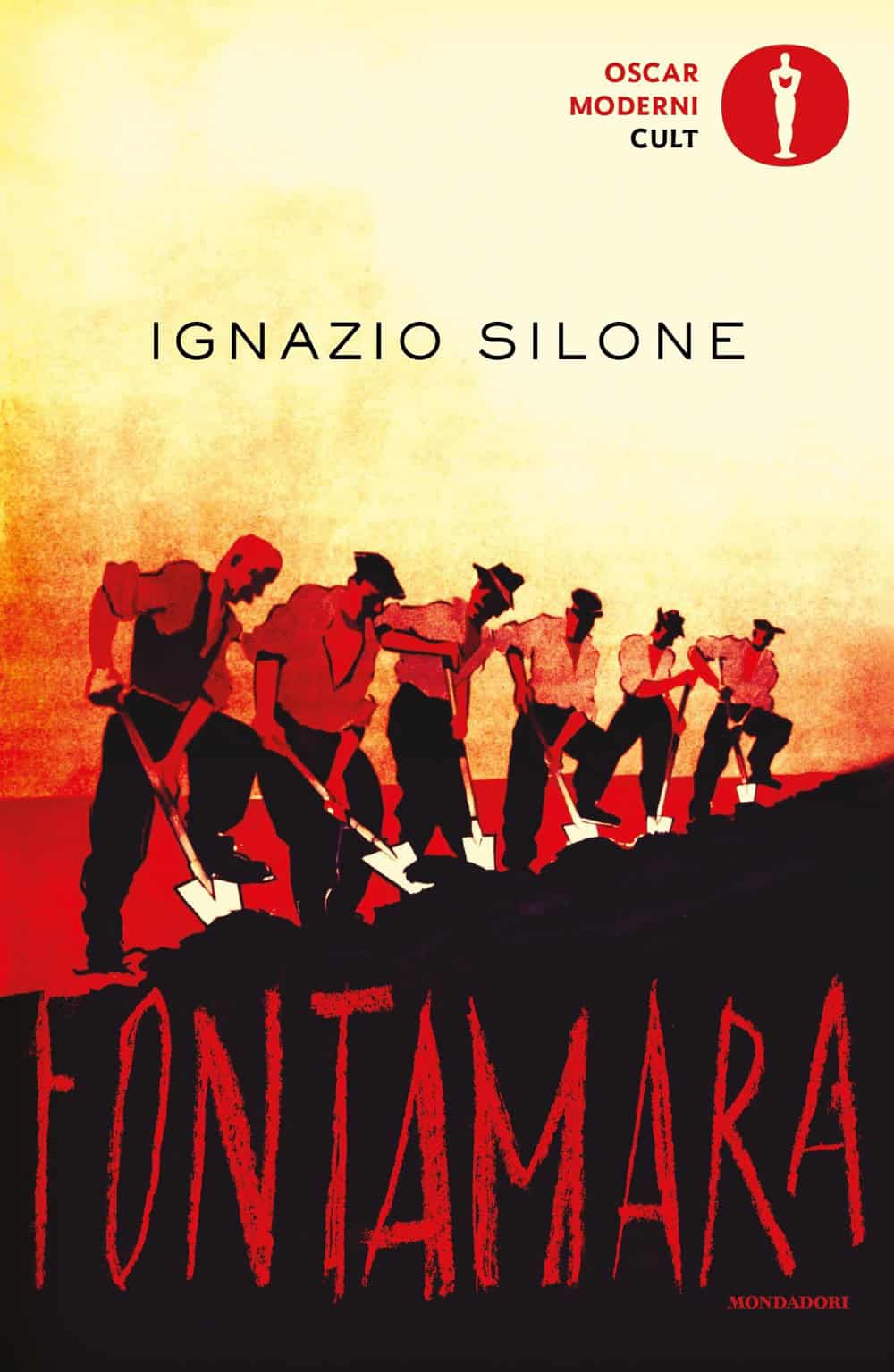
But let’s take a moment to notice the covers.
Every edition, country, and decade has shown the villagers of Fontamara in a new way for each generation of readers. There was the plain Zurich first edition, the bold Italian paperbacks from the sixties and seventies, and the gentler, more literary English translations from recent years. Each designer chose a different symbol: dry earth, bent backs, raised fists, or silent faces.
One book, ninety years, and dozens of covers. It’s a story that still feels relevant today.
1930s
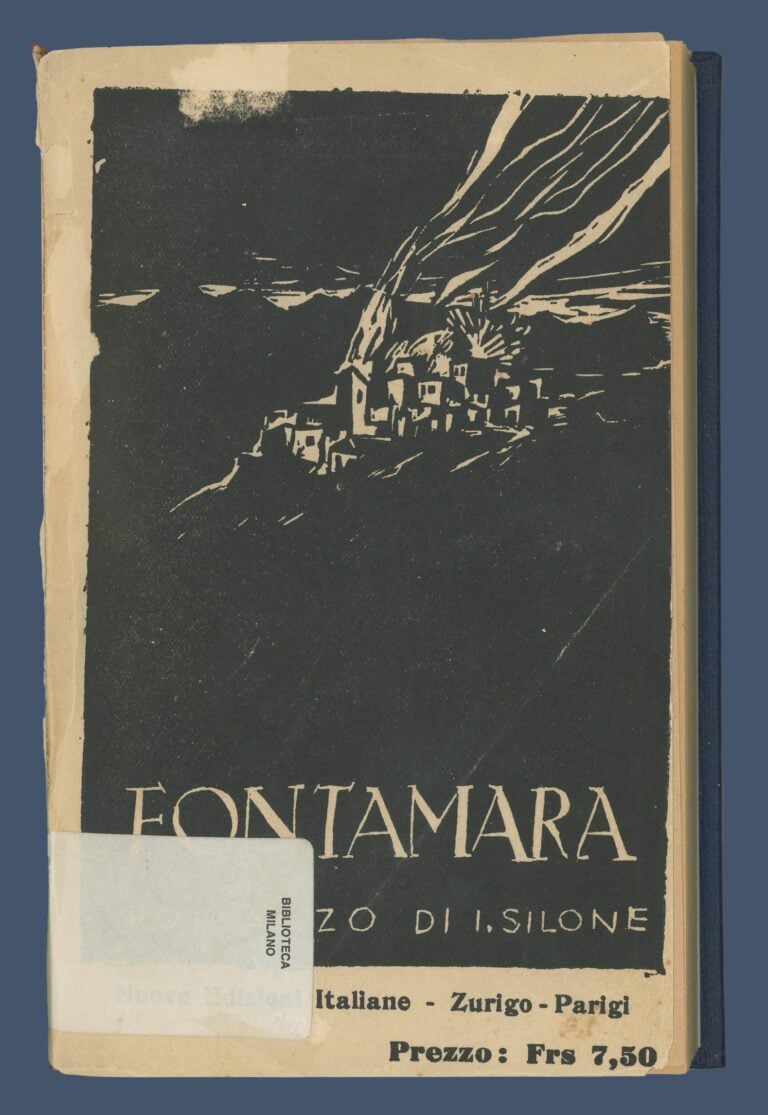
1940s
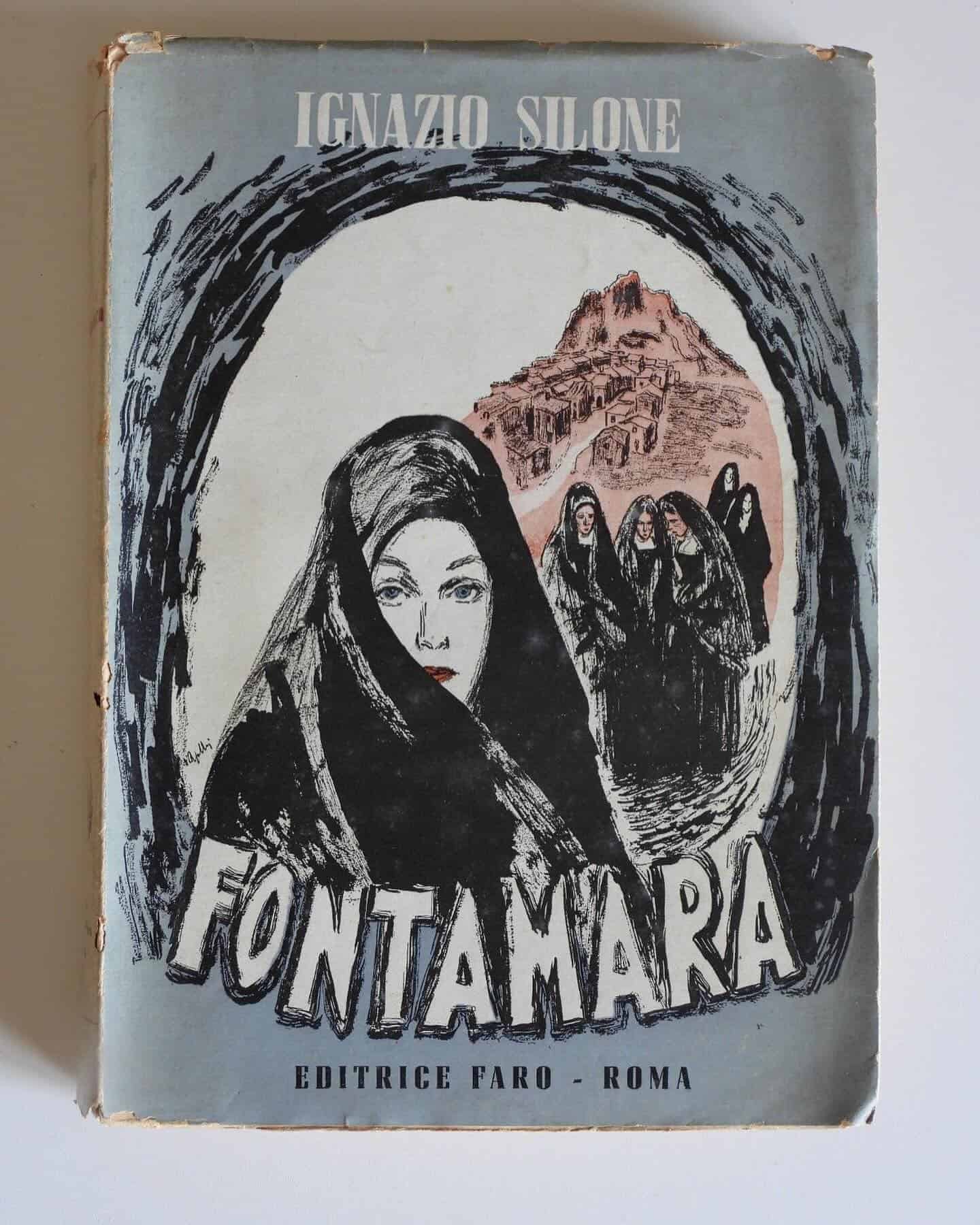
1950s
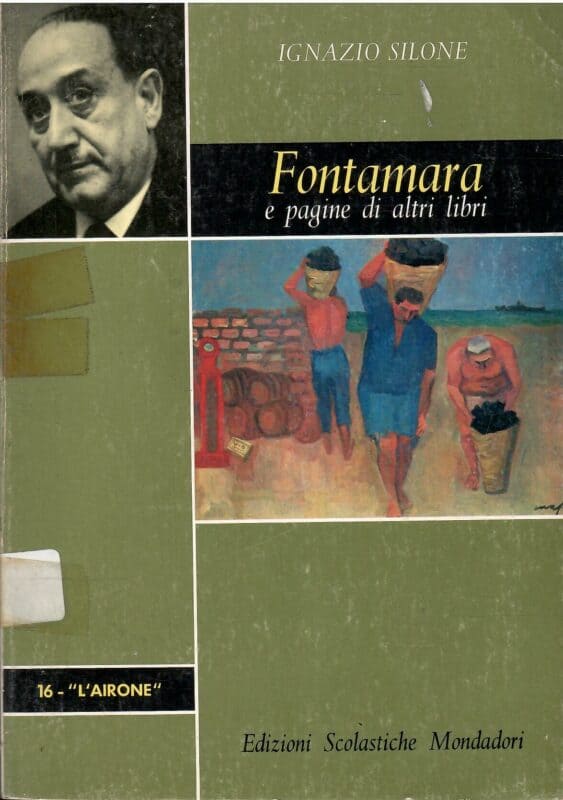
1960s
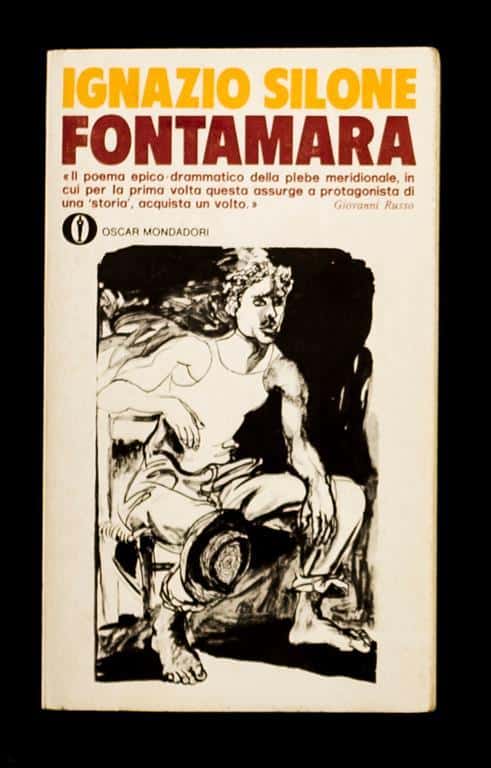
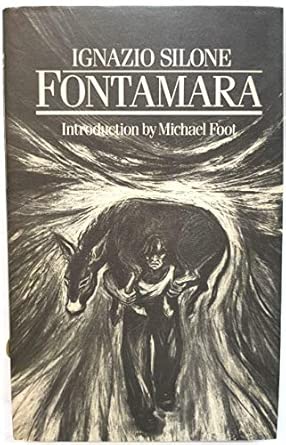
1970s
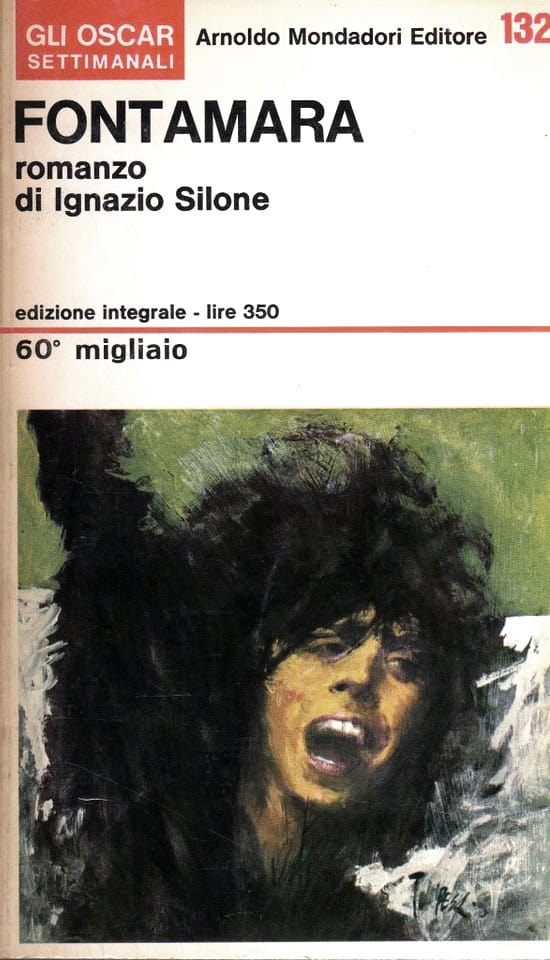
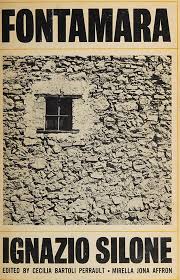

1980s
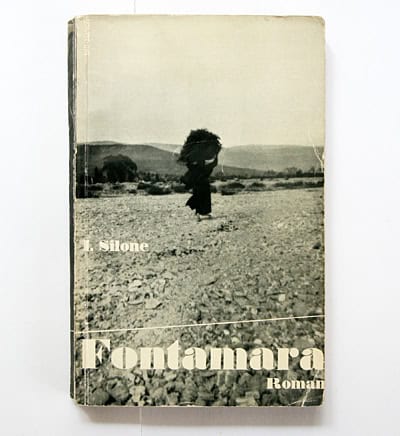

1990s
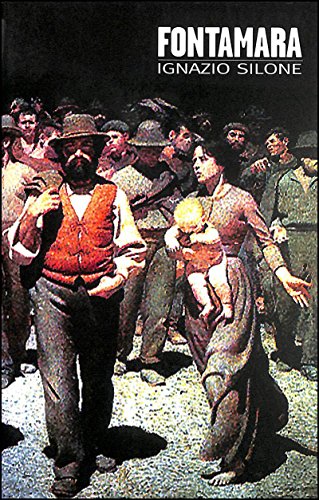
2000s
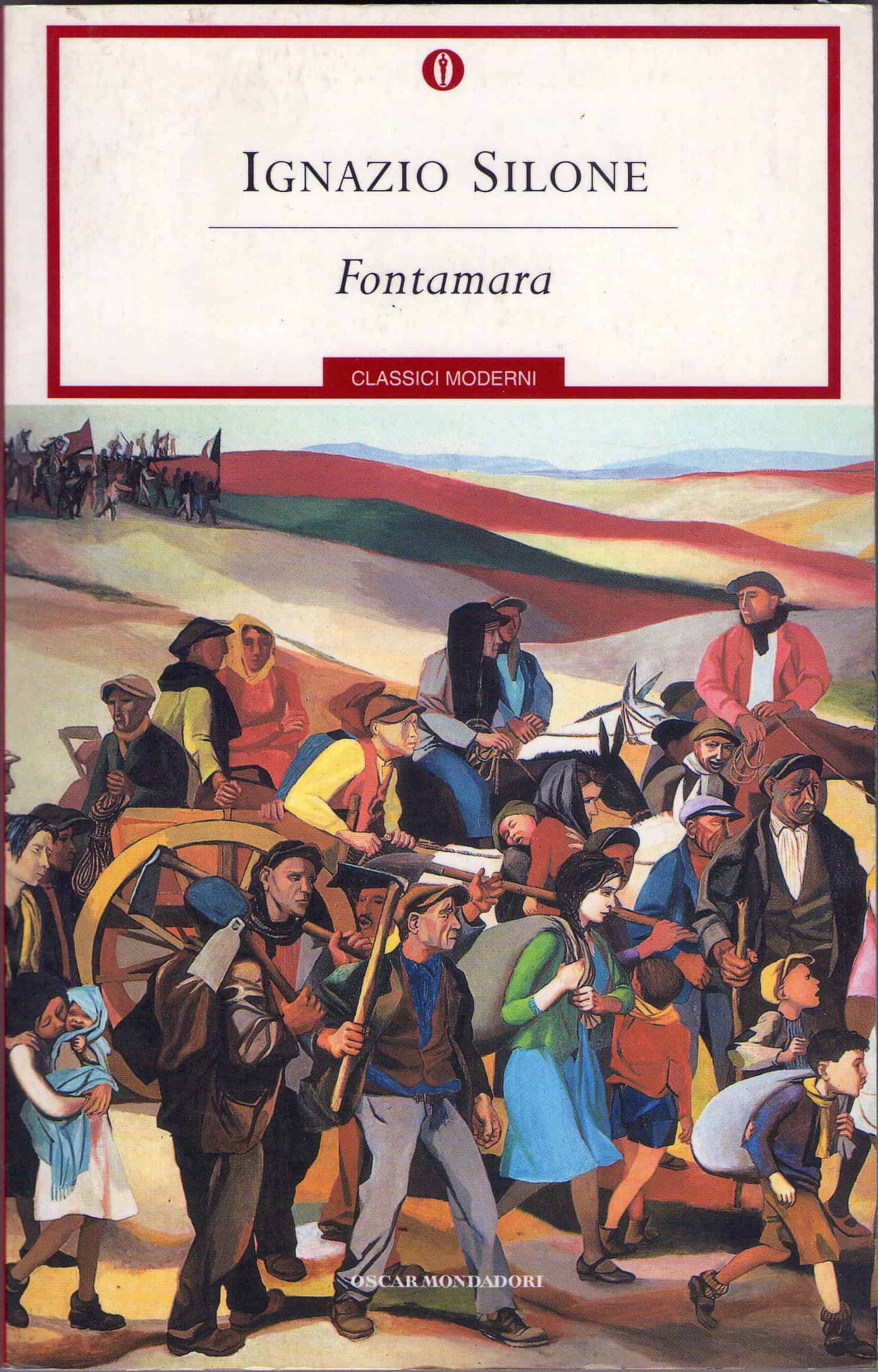
2010s
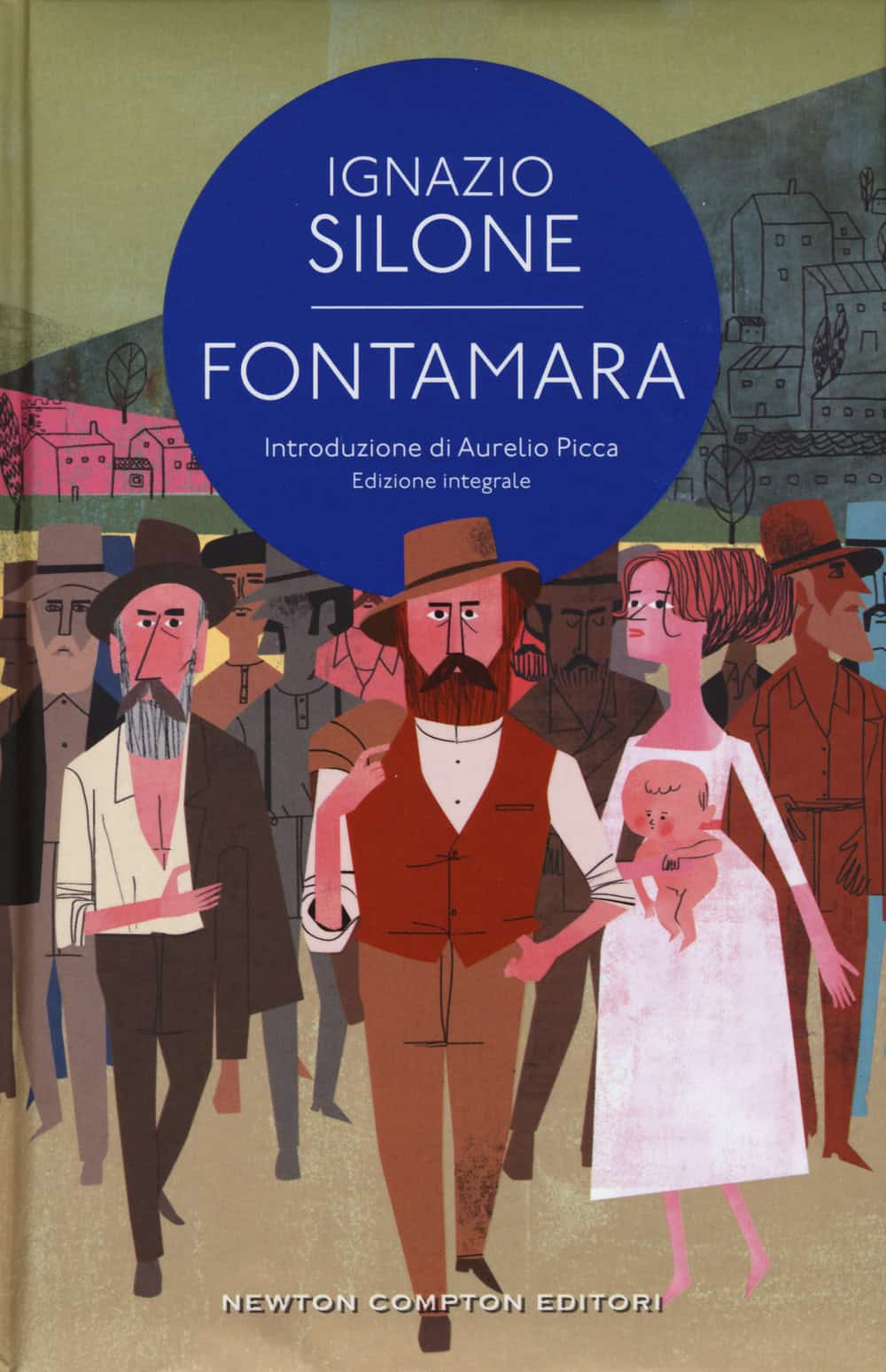
2020s

Alongside raising a teenager, Sam hosts guests at her family’s traditional home, the Little House of the Firefly in Abruzzo, offering a warm welcome and insider tips on local culture, food, and hidden gems.

Author: Sam Dunham
Sam is a freelance SEO content creator and IGCSE Geography and English teacher in Rome. She also runs the Life In Abruzzo Cultural Association, sharing stories and insights about this captivating region. Alongside raising a teenager, Sam hosts guests at her family’s traditional home, the Little House of the Firefly in Abruzzo, offering a warm welcome and insider tips on local culture, food, and hidden gems.