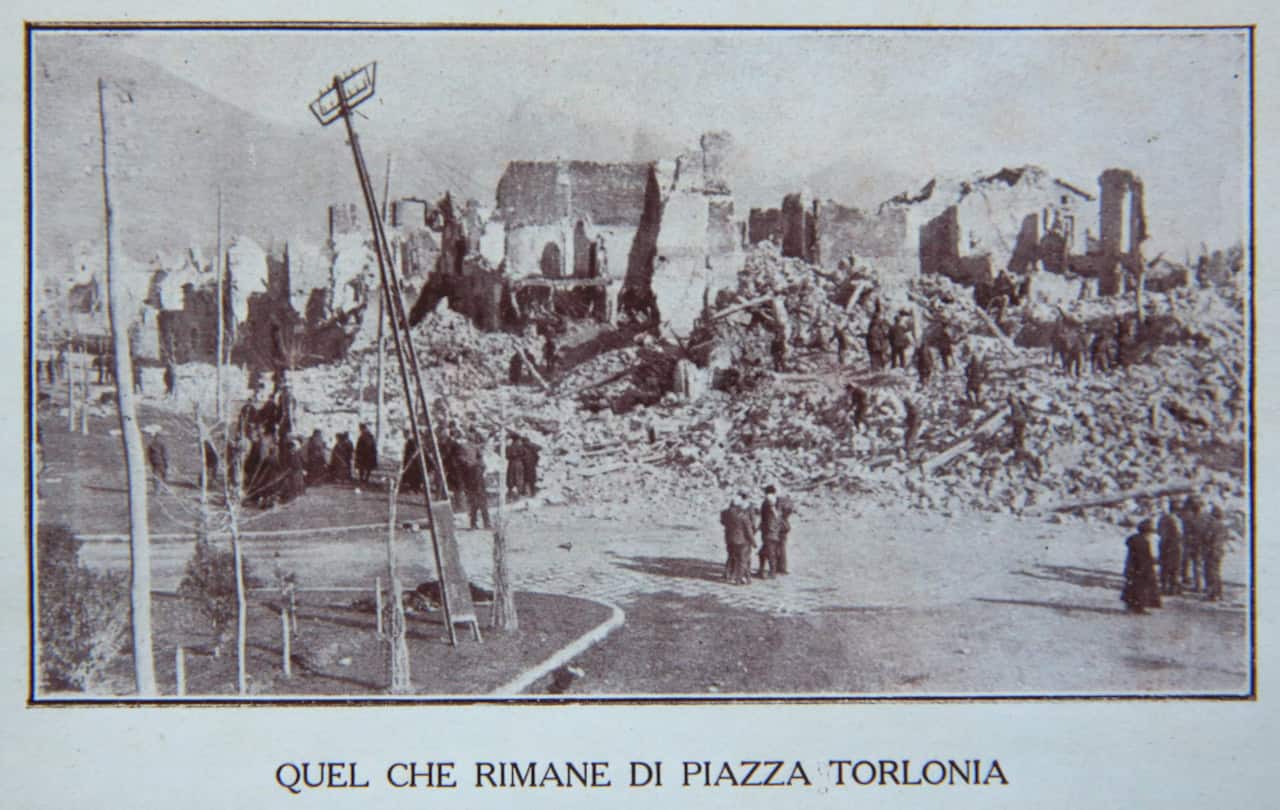
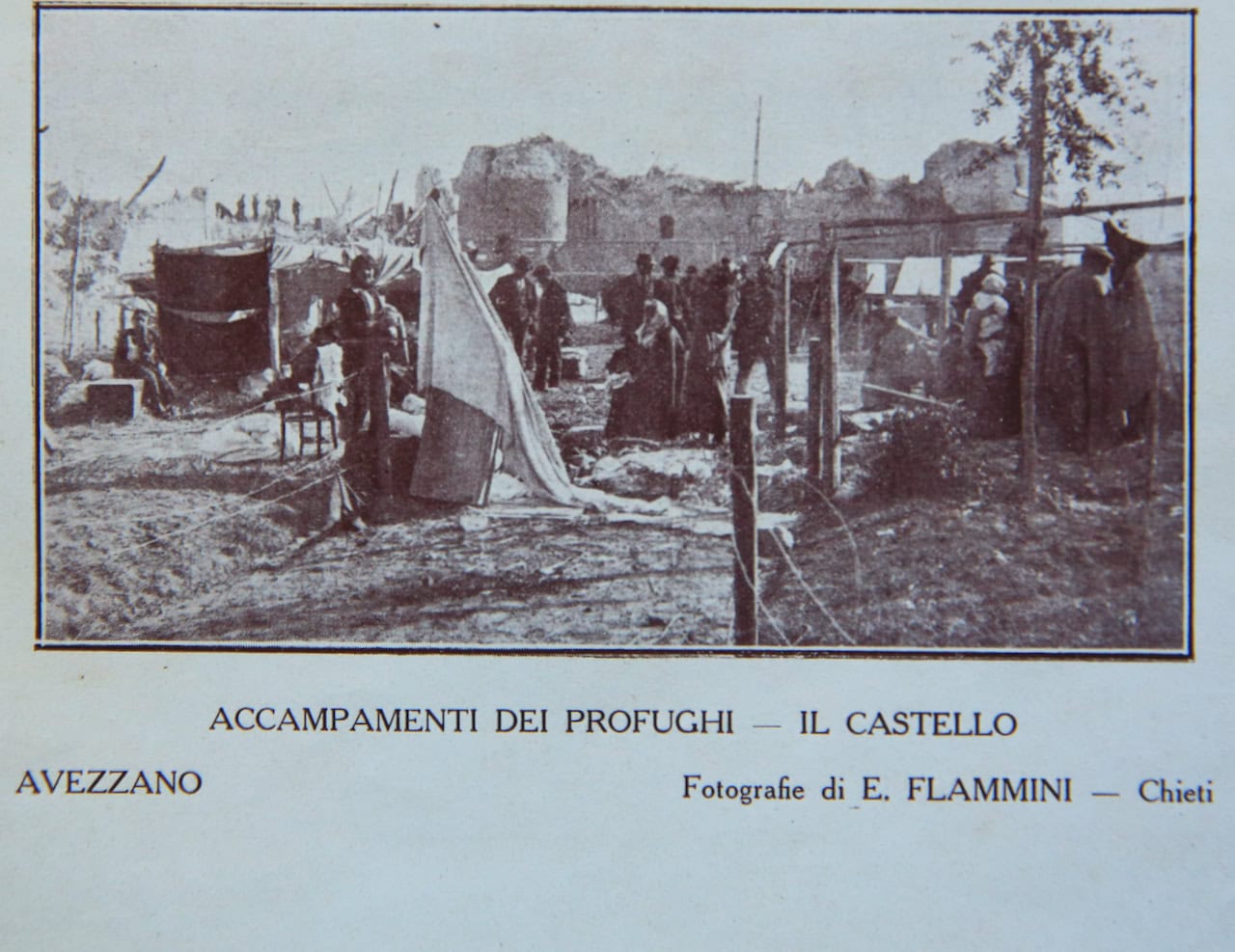
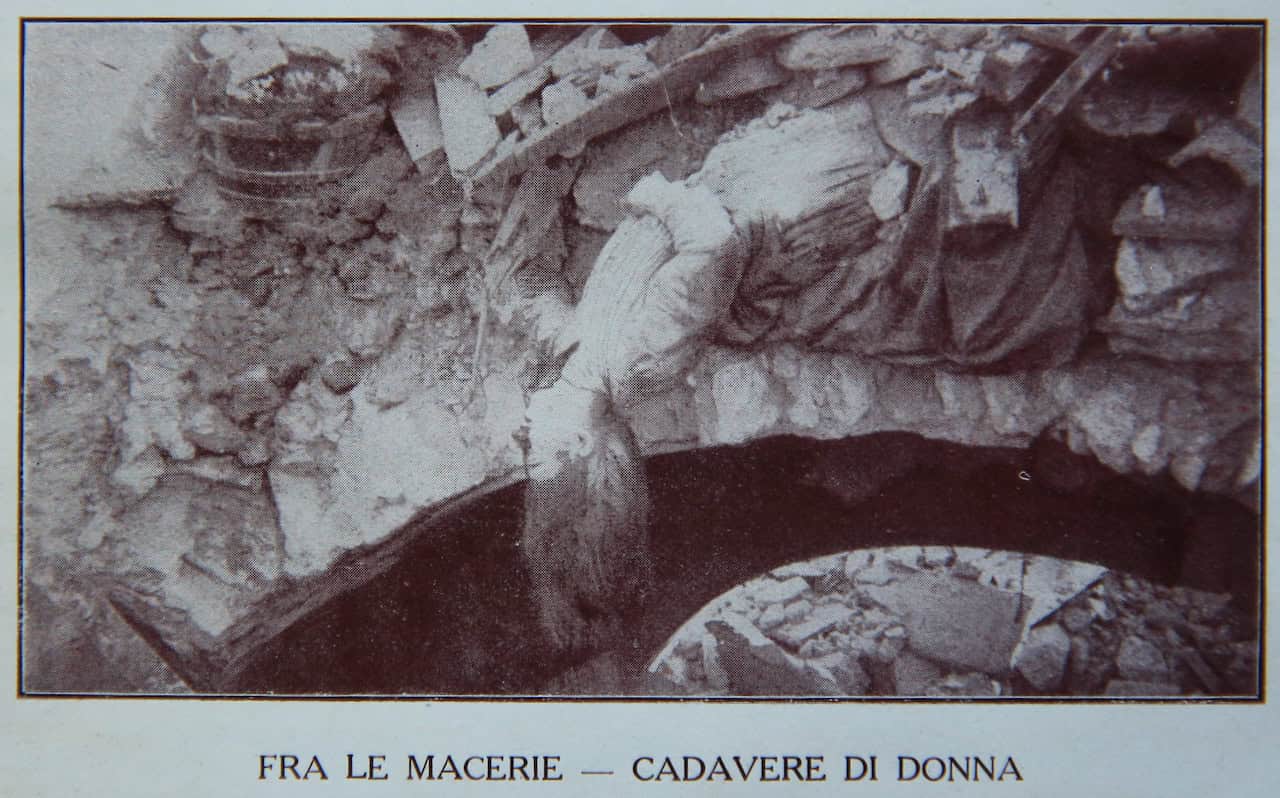
The 13th January marks the anniversary of one of the darkest moments in Abruzzo’s modern history, the 1915 earthquake that devastated Avezzano and the Marsica. In a matter of seconds, entire towns were erased. Around 30,000 people lost their lives, whole families disappeared, and countless survivors were forced to leave the region forever, joining waves of migration that reshaped Abruzzo’s villages for generations.
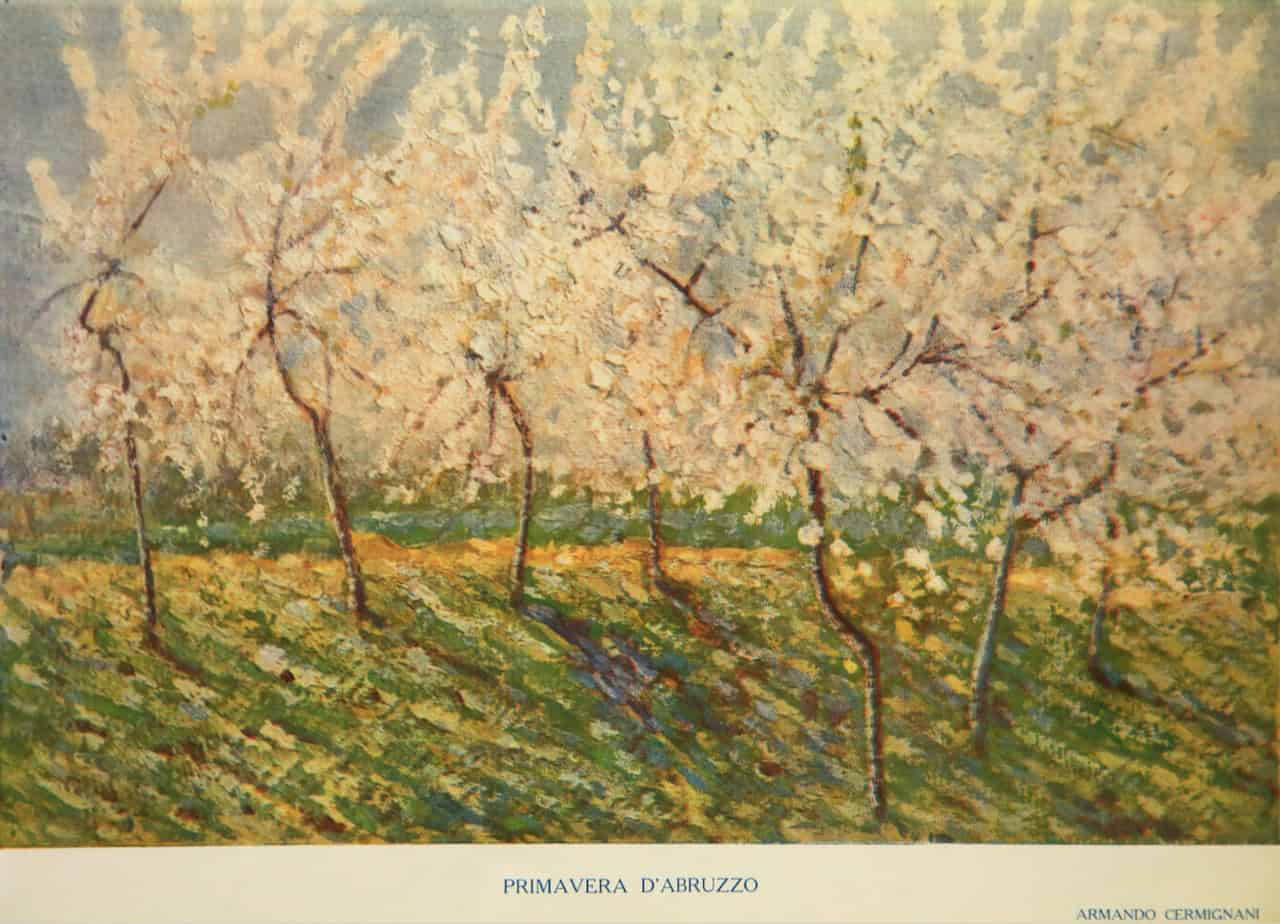
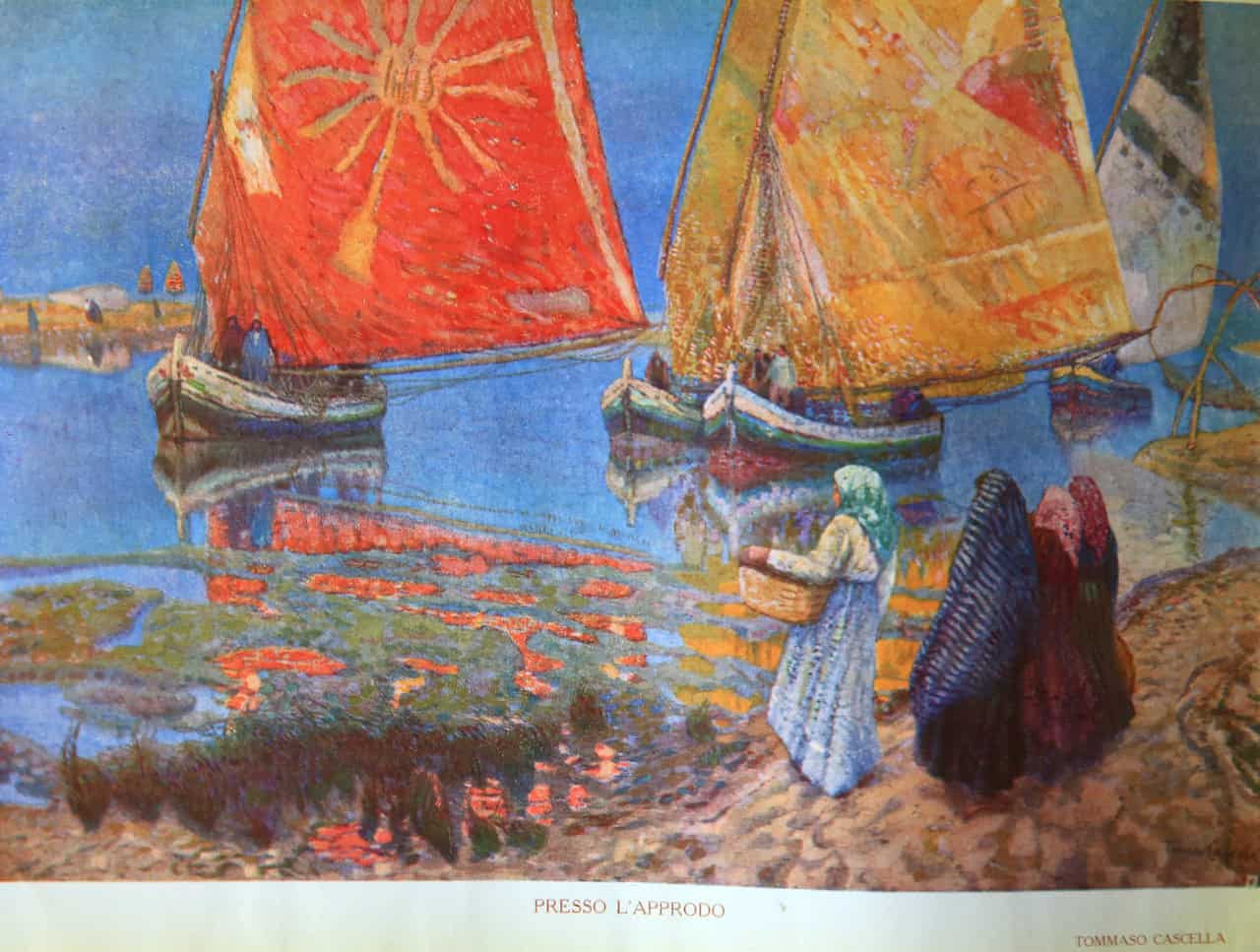
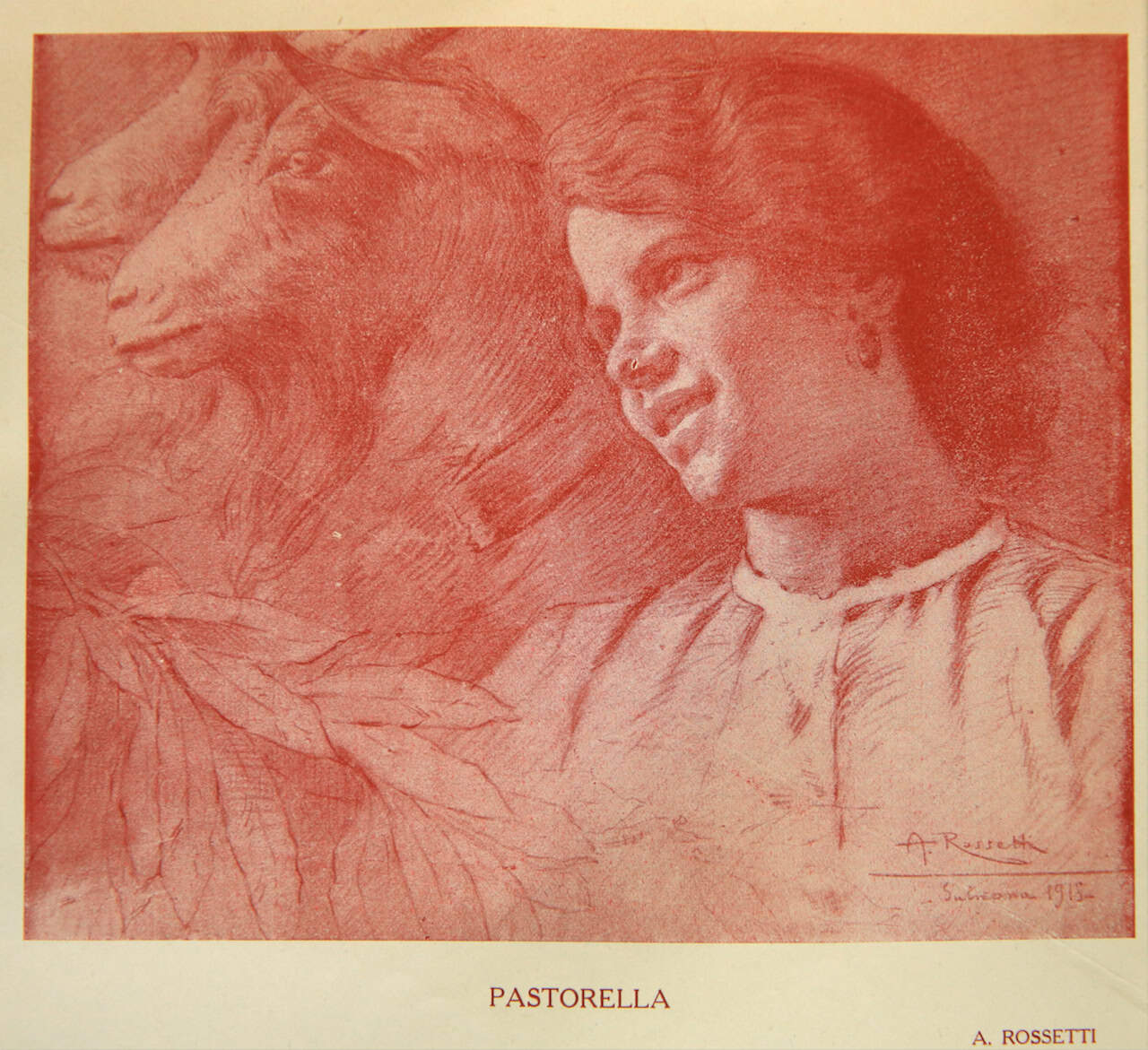
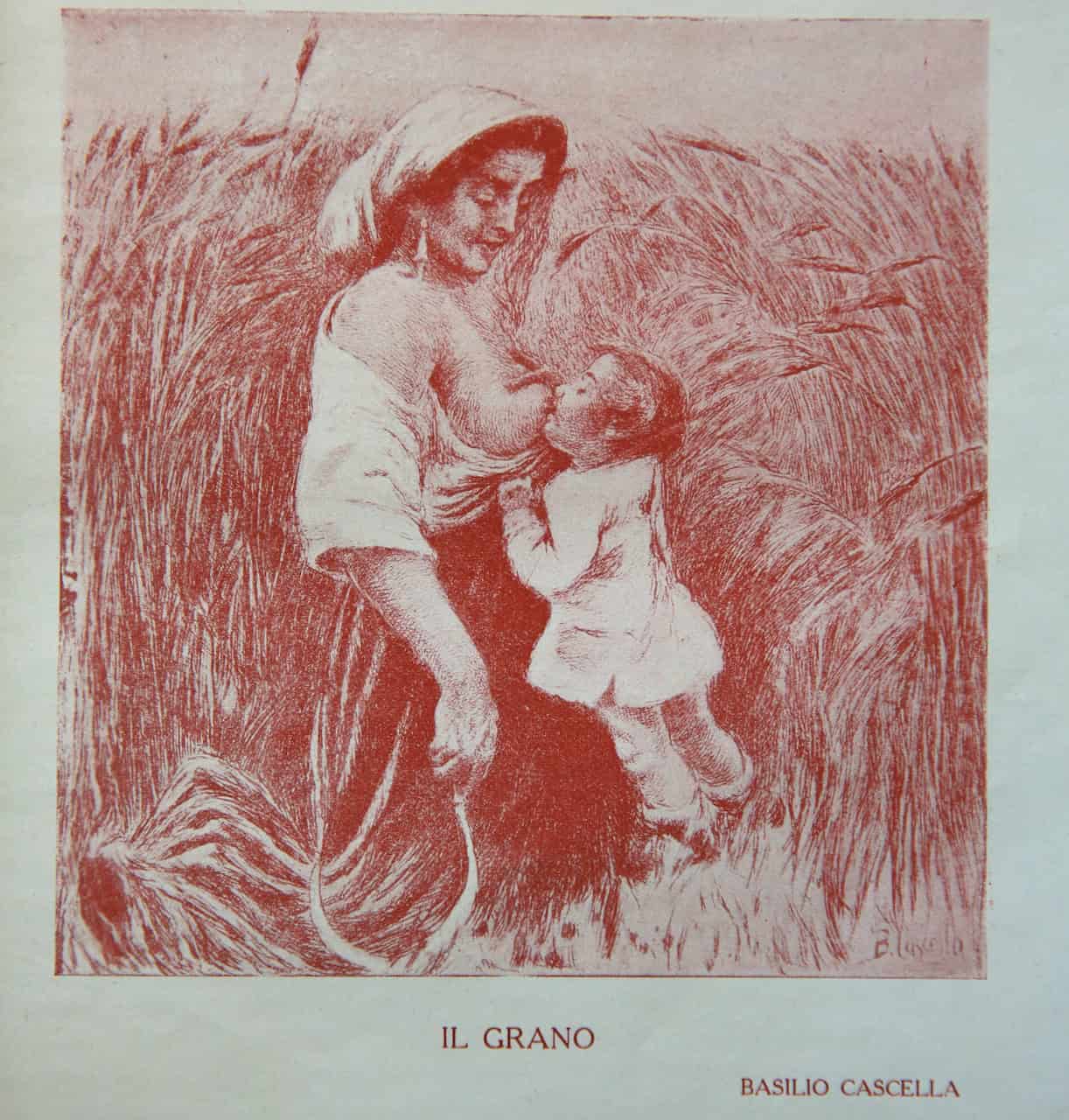
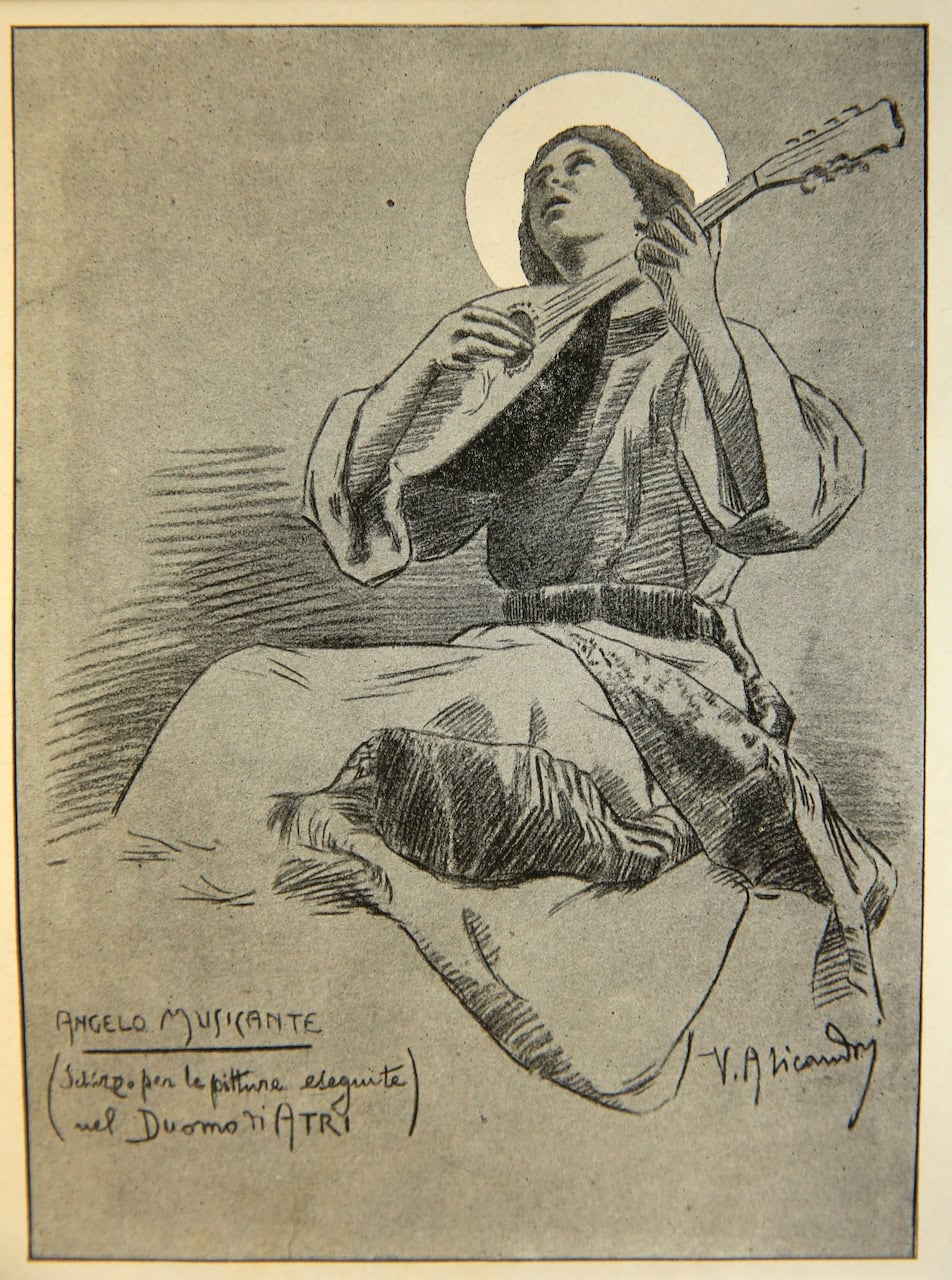
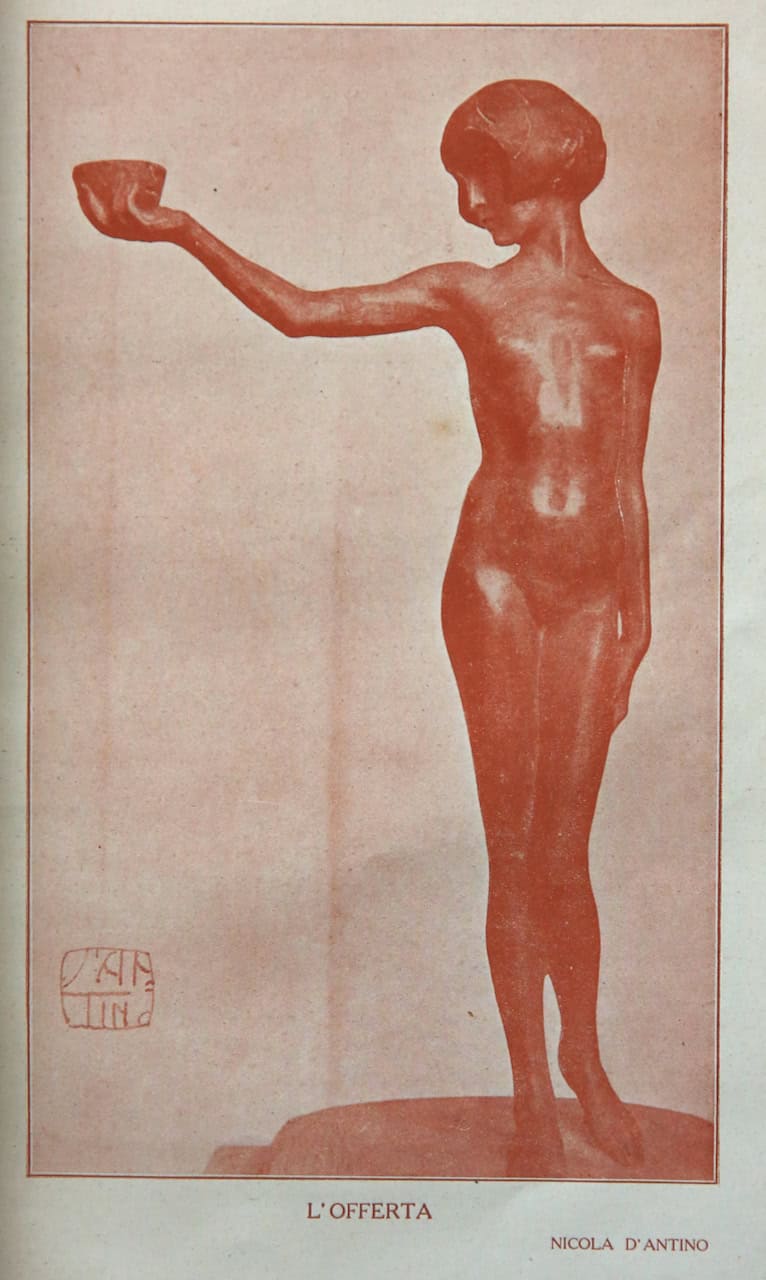
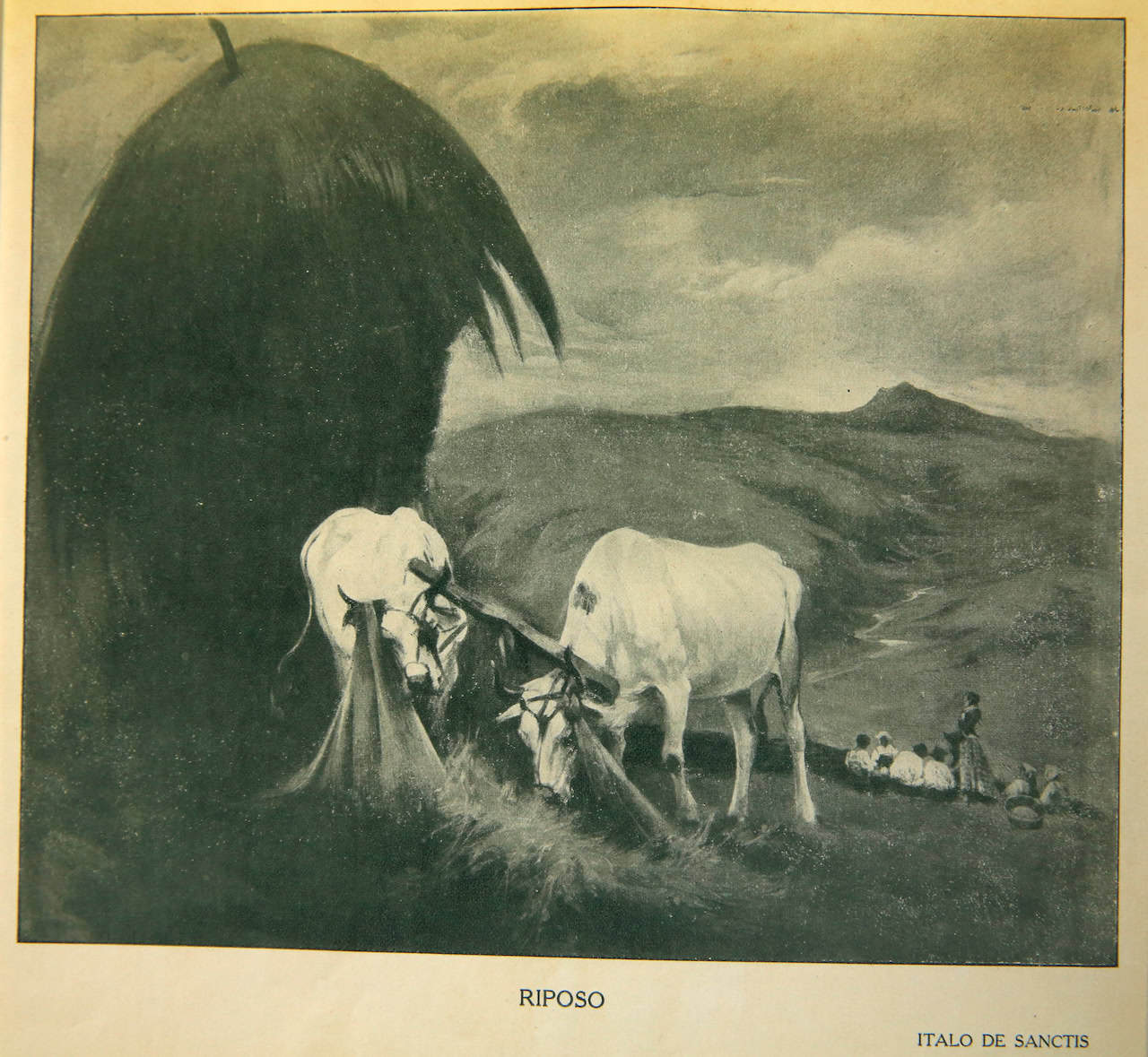
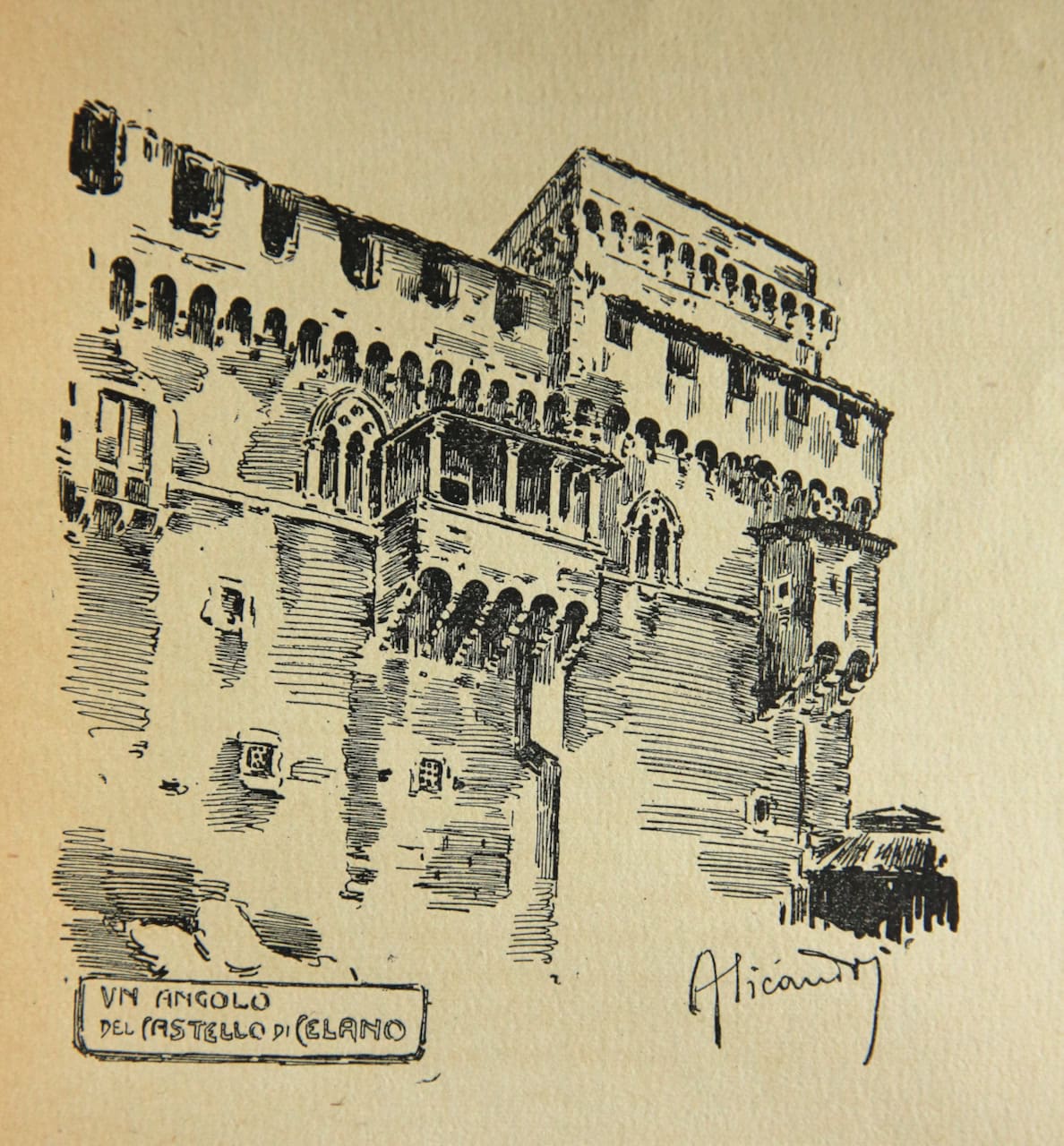
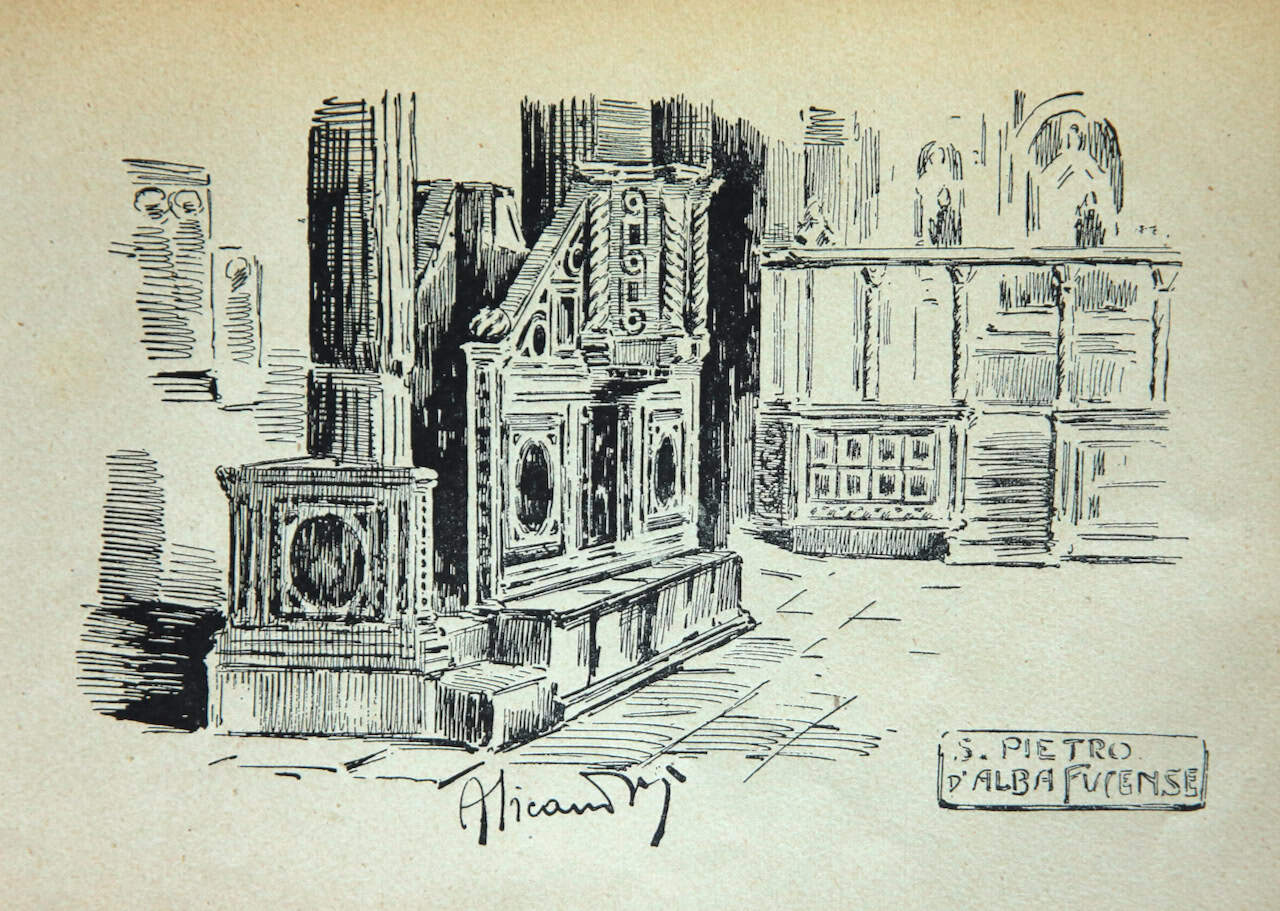
While searching online for books about the Marsica, I came across this fragile yet fascinating publication from 1915. It is already coming apart, the front and back pages detached, while I carefully photographed some of my favourite pages, but that fragility feels entirely fitting. This was a one-off fundraising book, created to support the victims of the Avezzano earthquake, a kind of Live Aid of its time, born from urgency, grief, and solidarity.
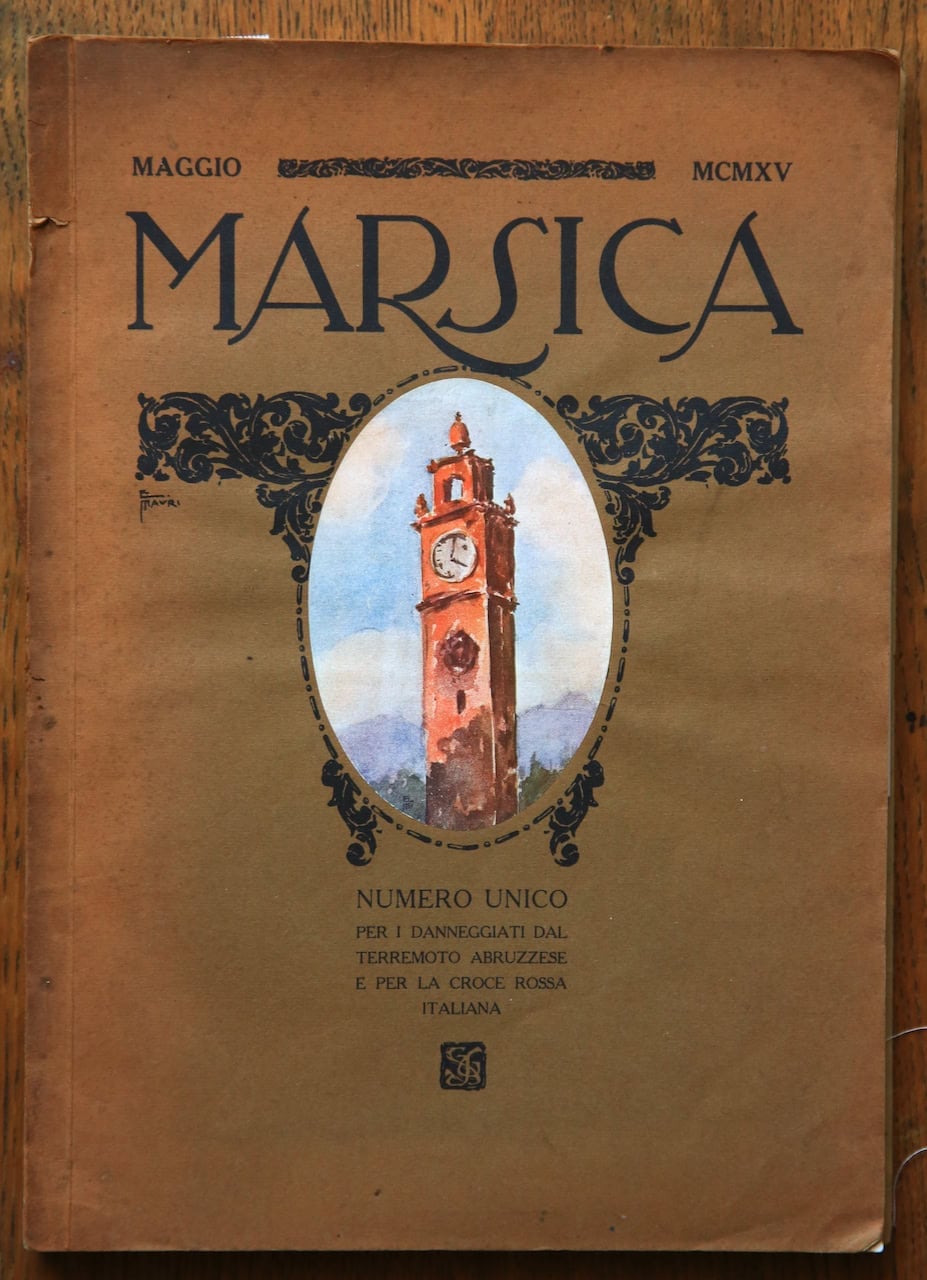
What makes this publication so remarkable is the calibre of those who contributed. Among the writers and thinkers were Gabriele D’Annunzio, Benedetto Croce, the philosopher Filippo Masci, archaeologist Giulio De Petra, journalist Panfilo Gentile, geographer Luigi Filippo De Magistris, and the historian and archaeologist from Chieti Cesare De Laurentiis.
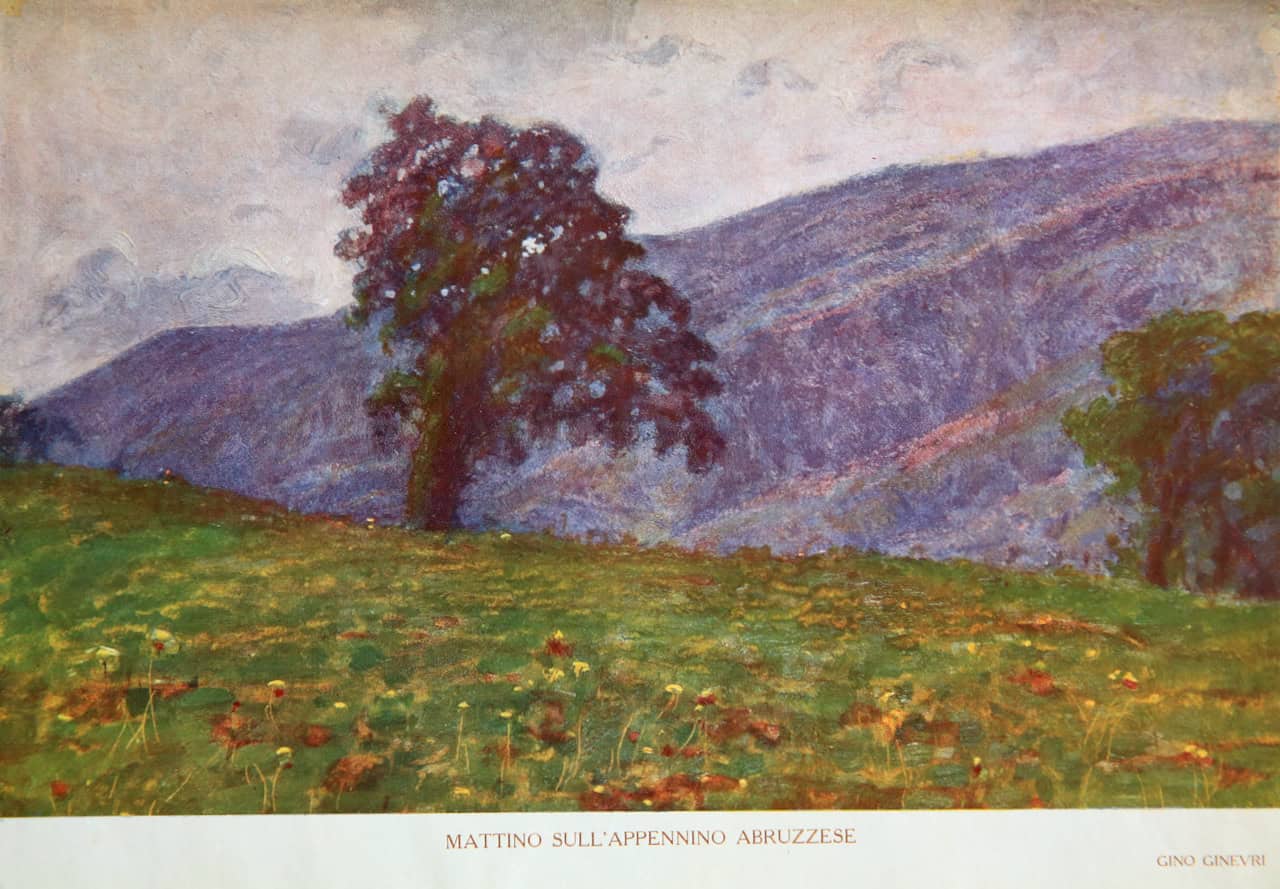
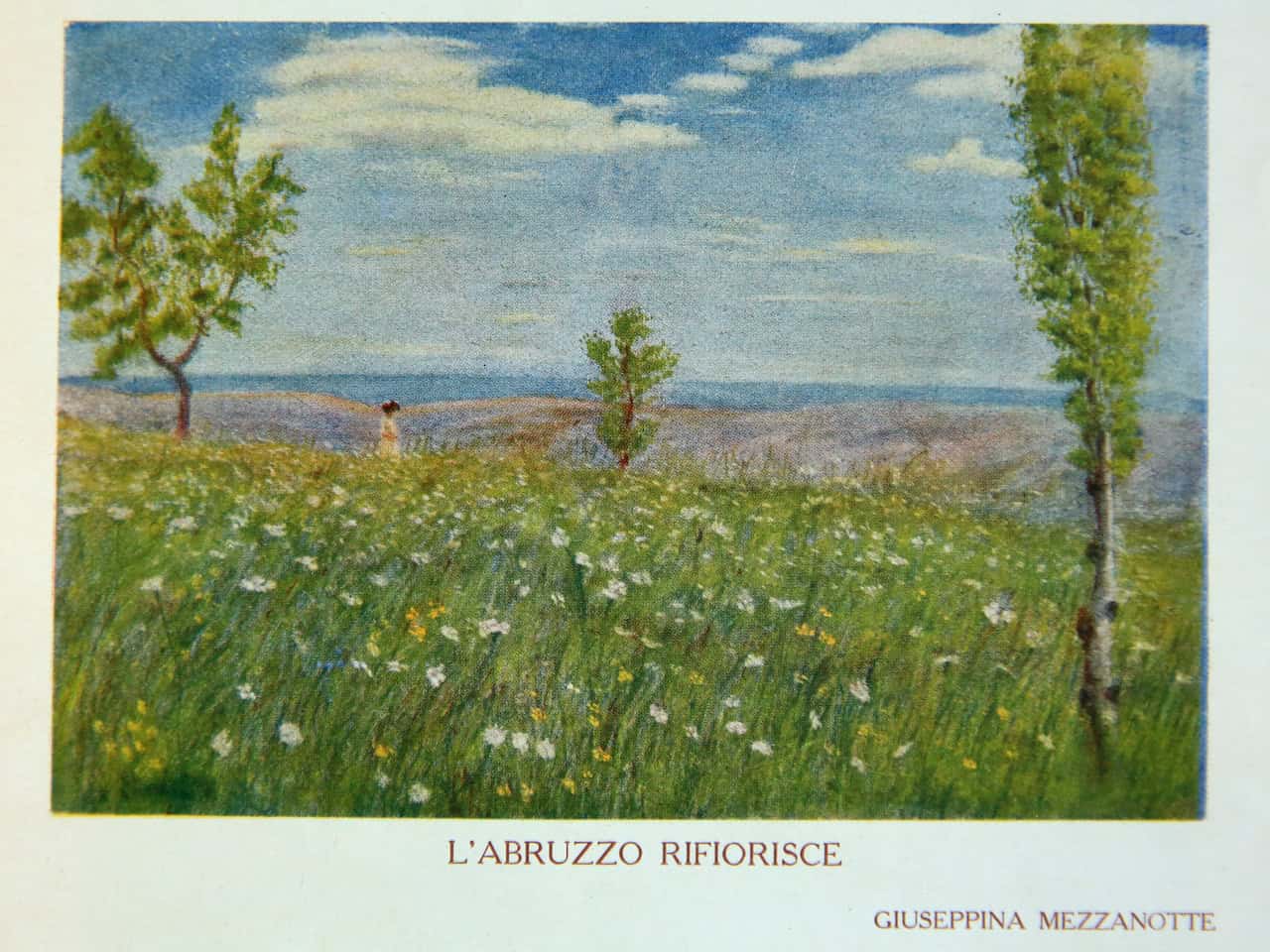
The artists involved were equally significant: Vincenzo Alicandri, Alfonso Rossetti, Giuseppina Mezzonotte, Basilio Cascella, Gino Ginevri, Tommaso Cascella, Augusto Camerini, Armando Cermignani, Vincenzo Bonanni, and the legendary Nicola D’Antino, best known for creating the bronze fountains of L’Aquila.
All of this, literature, art, scholarship, and collective compassion, was offered for the price of one lire.
More than a century later, this fragile book remains a quiet testament to how deeply the tragedy of Avezzano resonated across Italy, and how culture and creativity were mobilised in the aftermath of unimaginable loss. It is not only a record of destruction, but of a shared human instinct to respond with care when everything else has fallen away.
Warning sensitive imagery

Author: Peter Austin
A shed building, bass playing, wine drinking, mountain loving guy who adores photography and bought a home in Abruzzo 2 decades ago.[br][br]He's also an Associate Member of the Life In Abruzzo cultural association and moderator of the Life in Abruzzo private Fb group