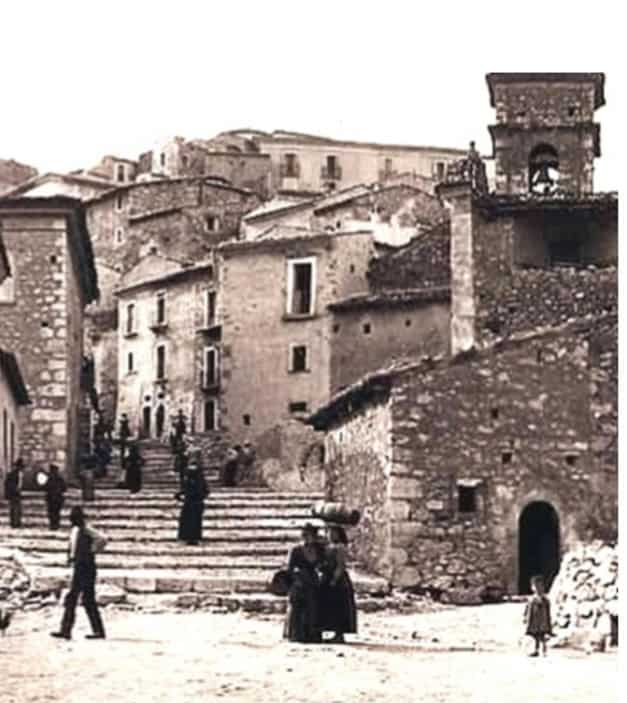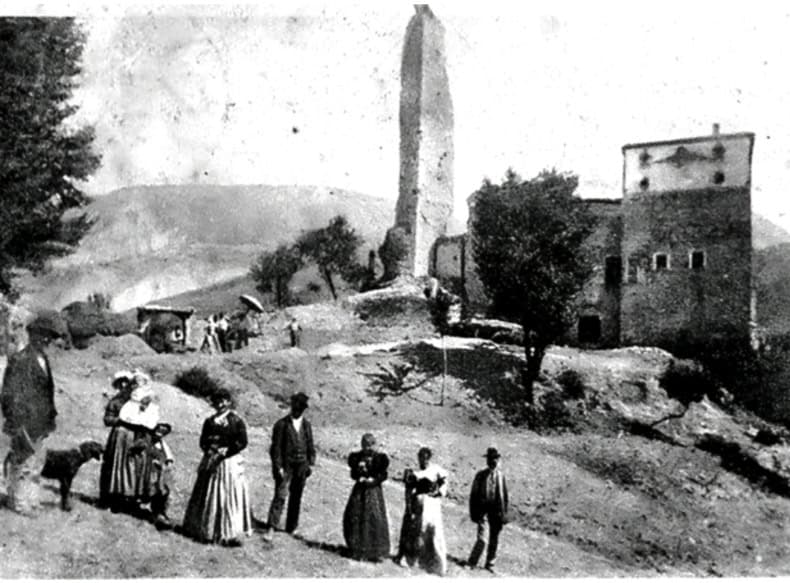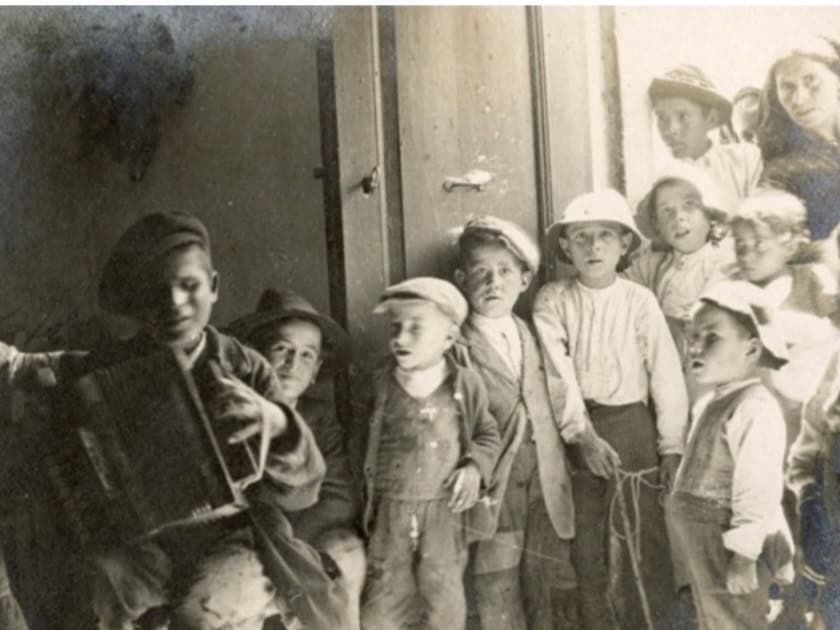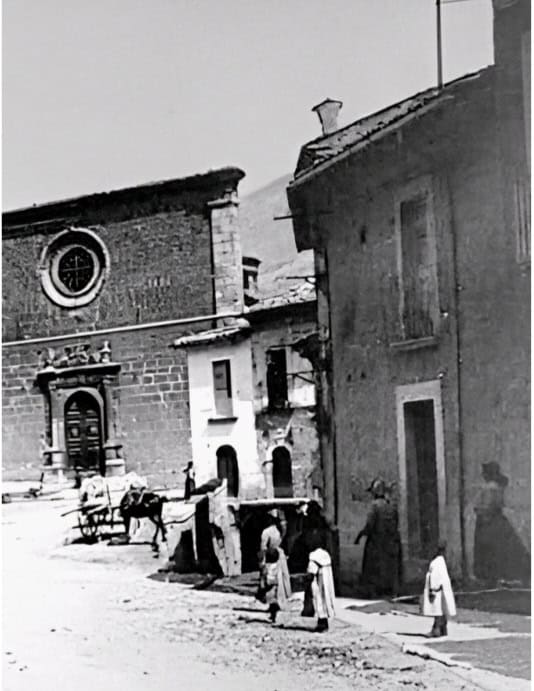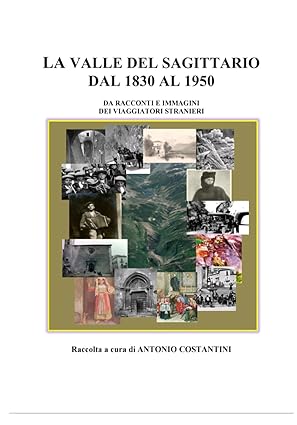
Antonio Costantin,i a member of our Life In Abruzzo Facebook group has self-published a book titled La Valle del Sagittario dal 1830 al 1950: da racconti e immagini dei viaggiatori stranieri (The Sagittario Valley between 1830-1950, the Accounts and Images of the Foreign Travellers).

The Sagittario Valley is a picturesque region in Abruzzo, particularly famous for its rugged beauty and historic villages. The key villages and towns in this area include:

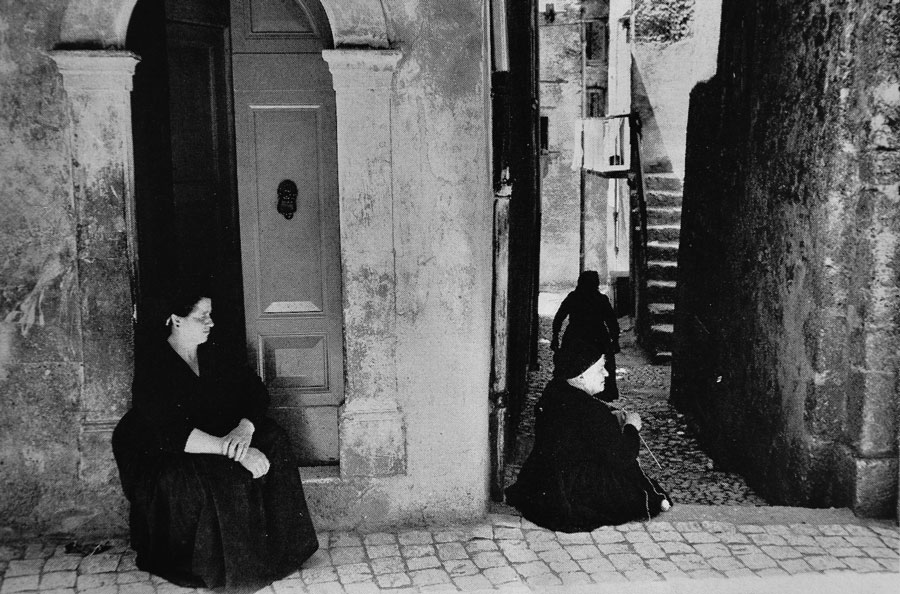
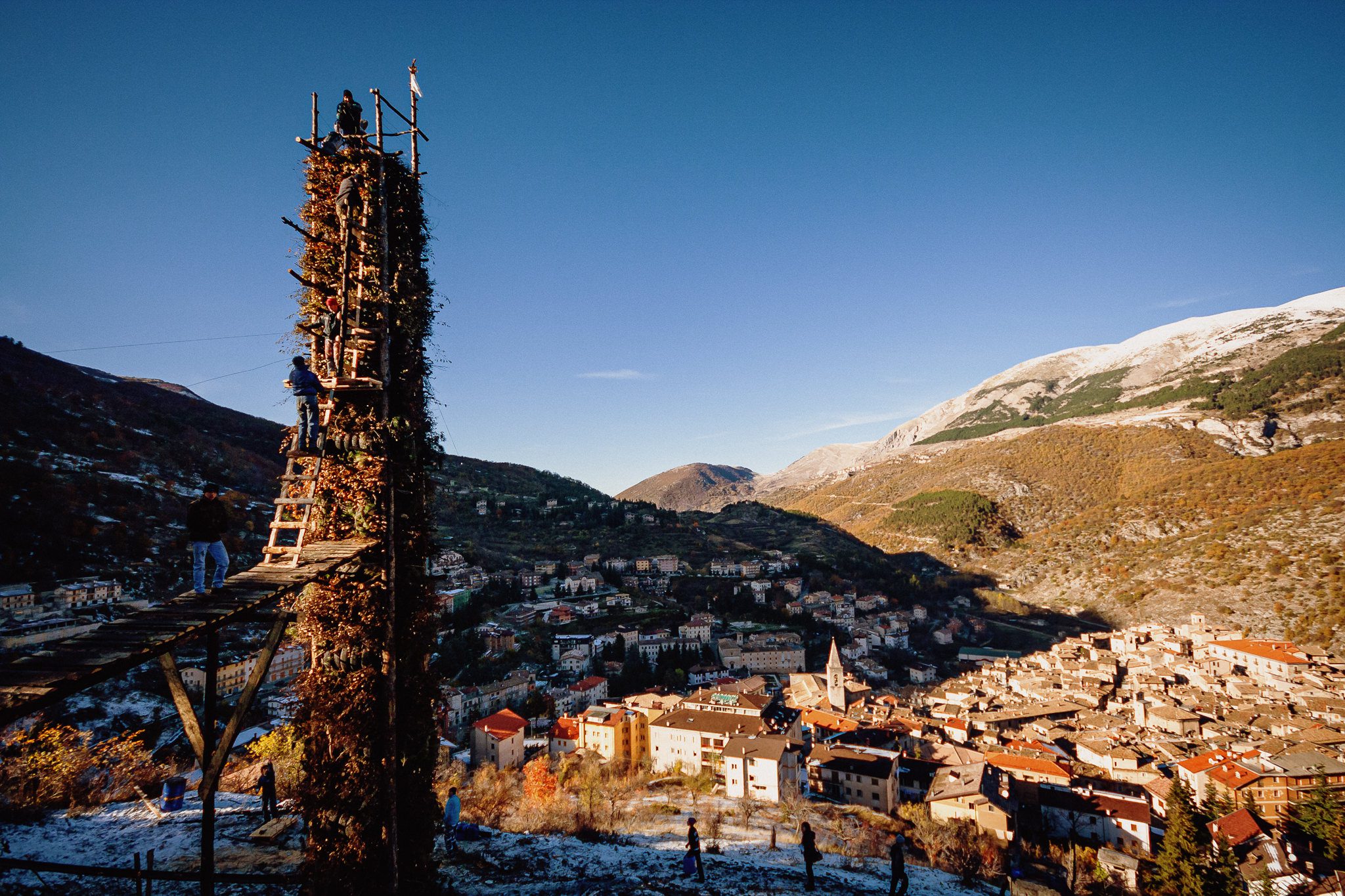
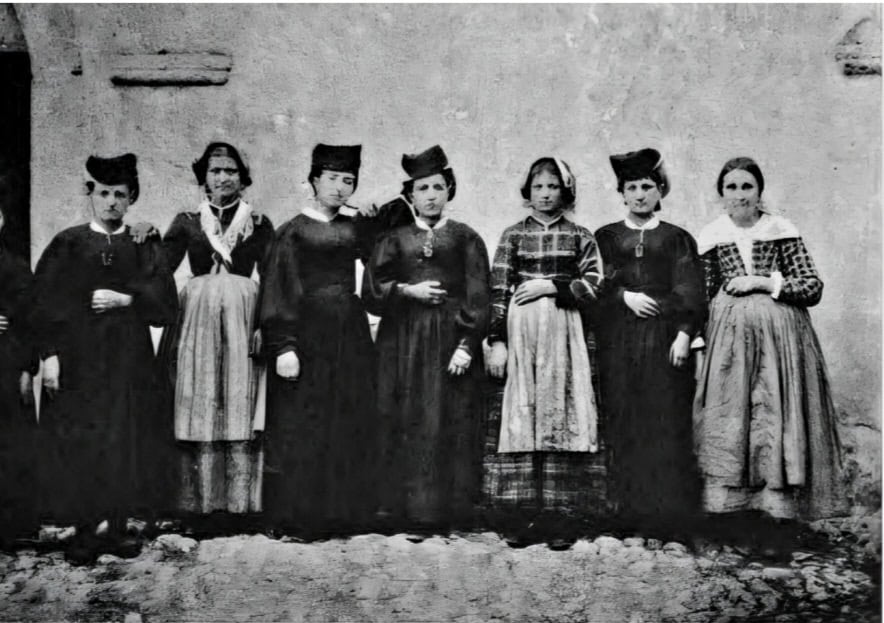
1. Scanno – Famous for its beautiful lake (Lago di Scanno), traditional dress, rich history and being the most photographed town in Abruzzo

2. Villalago – A quaint village perched above the Sagittario River, known for its medieval charm and proximity to the Sagittario Gorges and deer that wander through its streets

3. Anversa degli Abruzzi – A scenic village at the entrance to the Sagittario Gorges, offering stunning views and access to the WWF Sagittario Gorges Nature Reserve.

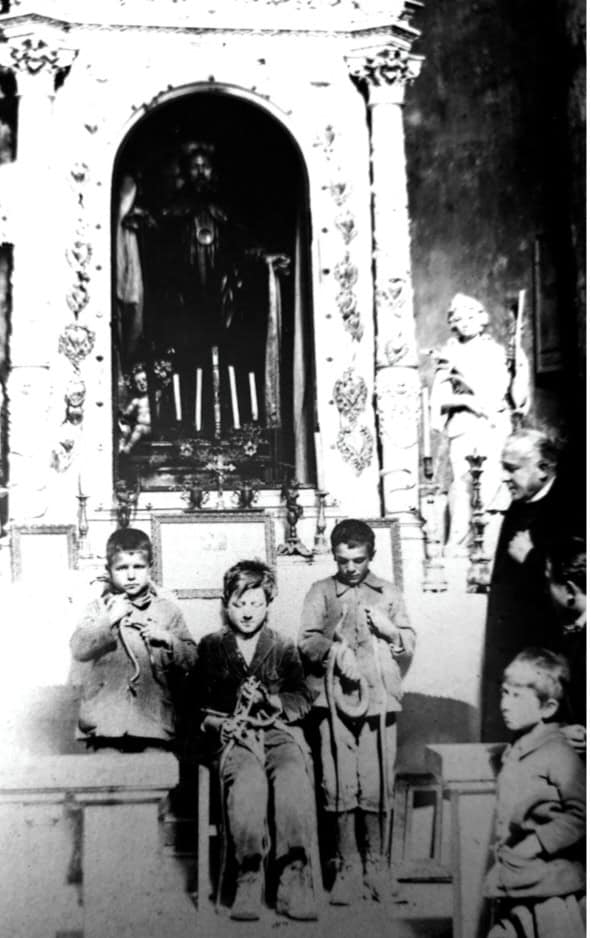
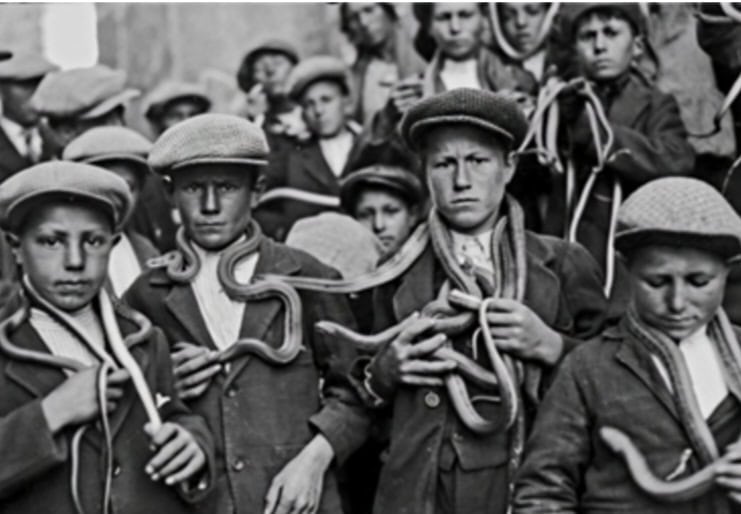
4. Cocullo – Famous for its Serpari Festival, where snakes are draped around the statue of Saint Dominic.

These villages are surrounded by the Sagittario Gorges and mountainous terrain, making the area ideal for nature lovers and those looking to explore traditional Abruzzese culture.

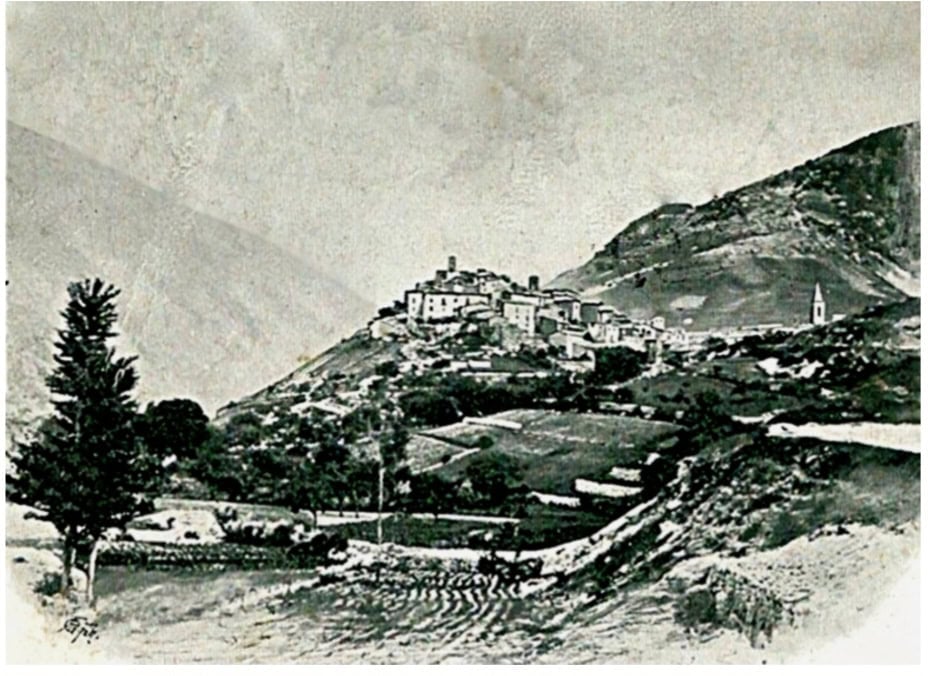
The book is a comprehensive and affordable way to discover what caught writers, photographers and artist travellers’ imagination in this area throughout this period in Abruzzo, we can’t wait to see a high-quality coffee table book version!  We asked Antonio a few questions about the book!

What gave you the idea for the book?

I started collecting news and photos without the idea of making it into a book. There was a desire to discover images and writings documenting the past and the years that changed the face of the Sagittario Valley of Sagittario. Then I organised it all and the idea of sharing it in a book was born.


How long did it take you to edit it?

About two years to find the information. A year and a half to organise it into a book.


What is your favourite period in the book and why?

The period between the late 1800s and early 1900s. Those were the years of the greatest transformation of the valley.

The construction of the carriage road, the building of the San Domenico dam (which created the beautiful lake), and the arrival of the railway.

At that time, thanks to the parish priest of Cocullo, Don Loreto, the rite of the serpari (Snake festival) became known in the whole world.


What advice would you give another keen photographer to start such a chronicle?

I found all the news and photos on the net. But to know what to look for it is important to be able to document books, information from libraries and people’s memories and stories.


If people are inspired by your book and want to look for other readings, can you suggest some particular books they might read?

The book includes the stories and pictures of 26 foreign travellers. I have extracted from their books and articles only the route taken in the Sagittarius Valley. However, they are books that also tell about other areas of Abruzzo. You can read these books in full. In particular the best known:
Edward Lear ‘Illustrated Excursions in Italy’, Anne MacDonell ‘In the Abruzzi’, Estella Canziani
‘Through the Apennines and the lands of the Abruzzi landscape and peasant life’.


Is it possible to buy prints of the photographs in the book?

For the historical period considered almost all writings and images are no longer subject to copyright and are therefore in the public domain. For some I have requested and received credits from the owners of the copyrights (they are indicated in the book). For the latter it is possible to purchase prints and photographs from the owners.


Which are your favourite photographers who have photographed the area and why?

The most important is Pietro di Rienzo (1867-1926) the first photographer, an amateur, a native of Scanno.  He documented wedding rites, processions, daily life up to the practices of pastoral culture and craft trades.


Would you do another book like this that extends to modern times?

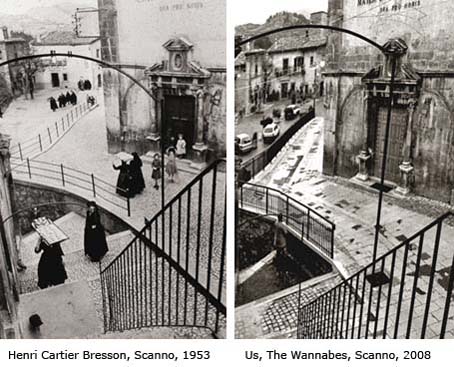
The logical continuation would be to document the period from 1950 onwards. It would be important to collect all the photos of the famous photographers who after Henry Cartier-Bresson immortalised Scanno.

We’ll finish with a book review by Life In Abruzzo Associate Member and Photography guru Pete Austin:

“In his new book Antonio Constantini has produced an extensive work on foreign travel writing in Abruzzo’s Sagittarius Valley over an eighty-year period. Twenty-six writers/artists/photographers are featured (including a couple that even I had not heard of!) with extracts from their writings and some background information on them too. There are a lot of pictures that we will all enjoy looking at, as well as extensive information on the social and economic history of the valley. At 627 pages ( all in Italian) it is not for the faint-hearted, but this book will be a joy to any lover of the area, or anyone interested in the history of Abruzzo and the like-minded ‘stranieri’ of yesterday.”

Sam Dunham
Author: Sam Dunham

Sam is a freelance SEO content creator and IGCSE Geography and English teacher at Istituto Cristo Re in Rome. She also runs the Life In Abruzzo Cultural Association, sharing stories and insights about this captivating region. Alongside raising a teenager, Sam hosts guests at her family’s traditional home, the Little House of the Firefly in Abruzzo, offering a warm welcome and insider tips on local culture, food, and hidden gems.

Facebook WhatsApp X / Twitter Email
Next An Abruzzo Photographic Legacy - Farmhouses and Small Provincial Buildings in Southern Italy →