Discover how millions of sheep once bankrolled Abruzzo’s abbeys and art, while shepherds survived on bread. A story of wealth, faith, and survival
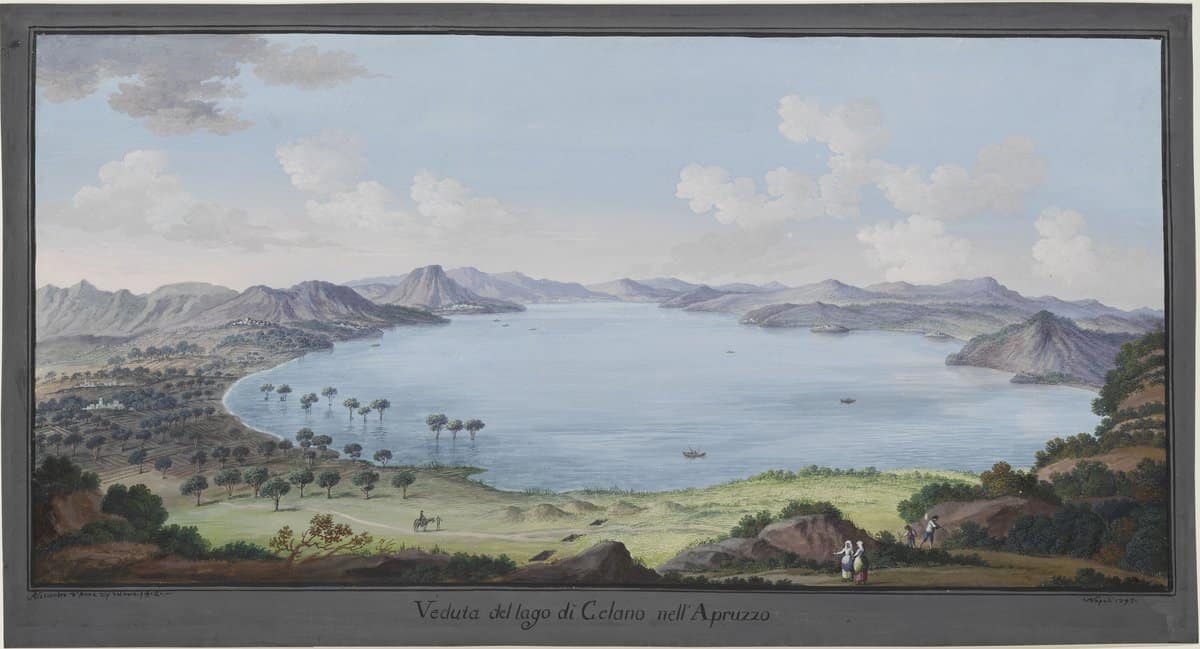
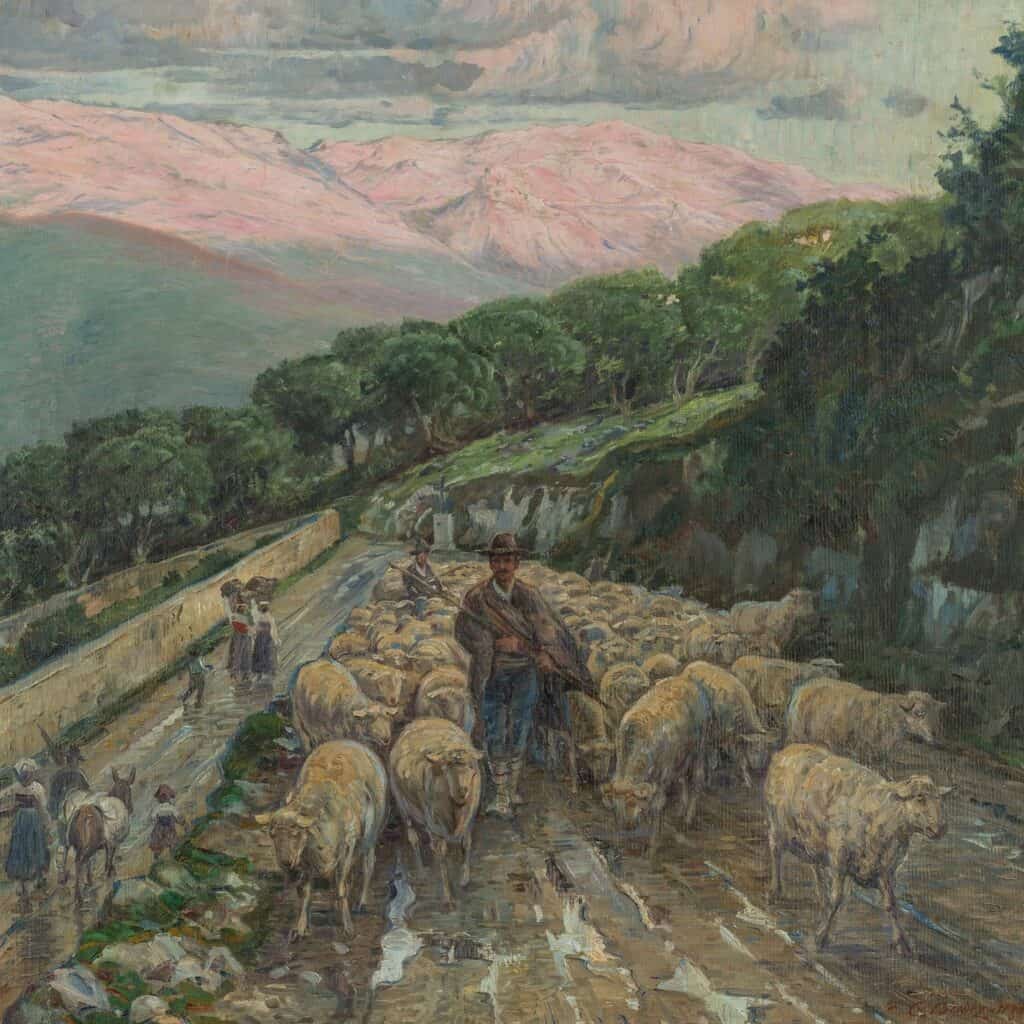
Abruzzo’s wealth once moved on four legs. Each autumn, flocks of sheep heading south brought in so much money in tolls and rent that it paid for abbeys, palaces, and the art now found in Italy’s museums. Sheep were for their owner and those who owned the land, much like an offshore account, full of healthy returns. Looking after these animals and guiding them to warmer regions for winter and lush green pastures in the summer from Roman times offered security and status; however, for the men who drove the sheep, it meant little more than bread, cheese, and survival.
From Rome to the Abbeys
An example of Rome’s instructions on protecting this wealth can be seen at Saepinum (Molise), where a stone gate bears an inscription from 168 AD. It orders townsfolk not to harass shepherds as they move their flocks. Roads were guarded, and laws were established to ensure a healthy return.
Centuries later, the abbeys carried the paperwork. The Chronicon of San Clemente a Casauria (Abruzzo), compiled in c.1175–82, holds over 2,150 charters. A charter was a formal parchment document, part contract, part title deed. It outlined who owned the land, who leased it, the amount of rent or produce owed, and the grazing rights that were in effect. The abbey even held estates as far south as Lago di Lesina in Apulia, proof that Abruzzo’s abbots were tying mountain and plain together. The Chronicon Vulturnense of San Vincenzo al Volturno (c.1130) compiles similar parchment charters stretching back to the 8th century. It also shows how abbeys leased land, extracted dues, and maintained the seasonal system.
Lords of Flocks, Bread for Shepherds
By the 15th century, the Crown had made it official. In 1447 Alfonso I of Aragon founded the Dogana della Mena delle Pecore di Puglia in Foggia, Registers list owners, sheep numbers, winter pastures, and tolls. The shepherd usually owned very little. He might have five sheep of his own, but he was more a caretaker than a master. His pay was small and came in a mix of cash and goods, such as bread, cheese, wine, and salt, with occasional small coin payments. Records from Foggia mention a salario del pastore paid every two weeks, while similar contracts in the Apennines included basics like bread, cheese, and oil as part of the wage. This was just enough to get by, not to get ahead. The Dogana’s records tracked owners and fees, not shepherds’ wages, which is one reason why wealth remained at the top while workers struggled to live on the bare minimum.
The system surrounding the shepherds over the millennia confirmed that this was correct. Religion, prayer, and daily speech made subsistence feel normal. Bread was not just food. It was the baseline of life, the one thing promised. Even the Lord’s Prayer asks only for that: Give us this day our daily bread. Shepherds heard Christ described as the “Good Shepherd,” and believers as a “flock.” This was not just a figure of speech. It came directly from their daily lives of hard work, risk, protection, and survival. By using religious language to describe their struggle, the system gave their work dignity but also set boundaries: having bread and enduring was considered enough. Their labour created wealth, but the message was that daily bread was all they should hope for.
The Scale of Wealth
At its height in around 1500, AD, between 5.5 and 6 million sheep were moved south, and then back to Abruzzo. Here’s the estimated revenue the transumanza created!
Late 15th – Early 16th Century (Peak):
???? 5.5–6 million sheep moved annually
???? Tolls: 8 ducats per 100 sheep → ~440,000–480,000 ducats per year
≈ €90–100 million today (bullion method; 1 ducat ≈ 3.545 g gold @ ~€60/g)
17th Century (After Decline, but With Higher Tolls):
???? 3.5–4 million sheep
???? Tolls: 12 ducats per 100 sheep → ~420,000–480,000 ducats per year
≈ €85–100 million today (bullion method)
19th Century (System Weakening, Pre-Abolition):
???? 1.2–1.5 million sheep
???? Tolls: ~144,000–180,000 ducats per year
≈ €30–40 million today (bullion method)
How the Calculation is Worked Out
-
1 ducat = 3.545 g fine gold
-
Using gold at €60/g, → 1 ducat ≈ €213
-
Example: 440,000 ducats × €213 ≈ €94 million
The region carried both the burden and the wealth. Yet it was a wealth locked to the few. The sheep carried seeds in their coats that, to this day, still show the trails of those that summered in Abruzzo after migrating from the South. Shepherds sometimes brought wives back, new recipes, and coral beads from Puglia’s coast. At village fairs and June weddings, these exchanges were evident in the food, music, and adornments. Every march enriched the culture of Abruzzo.
Today’s Reflection
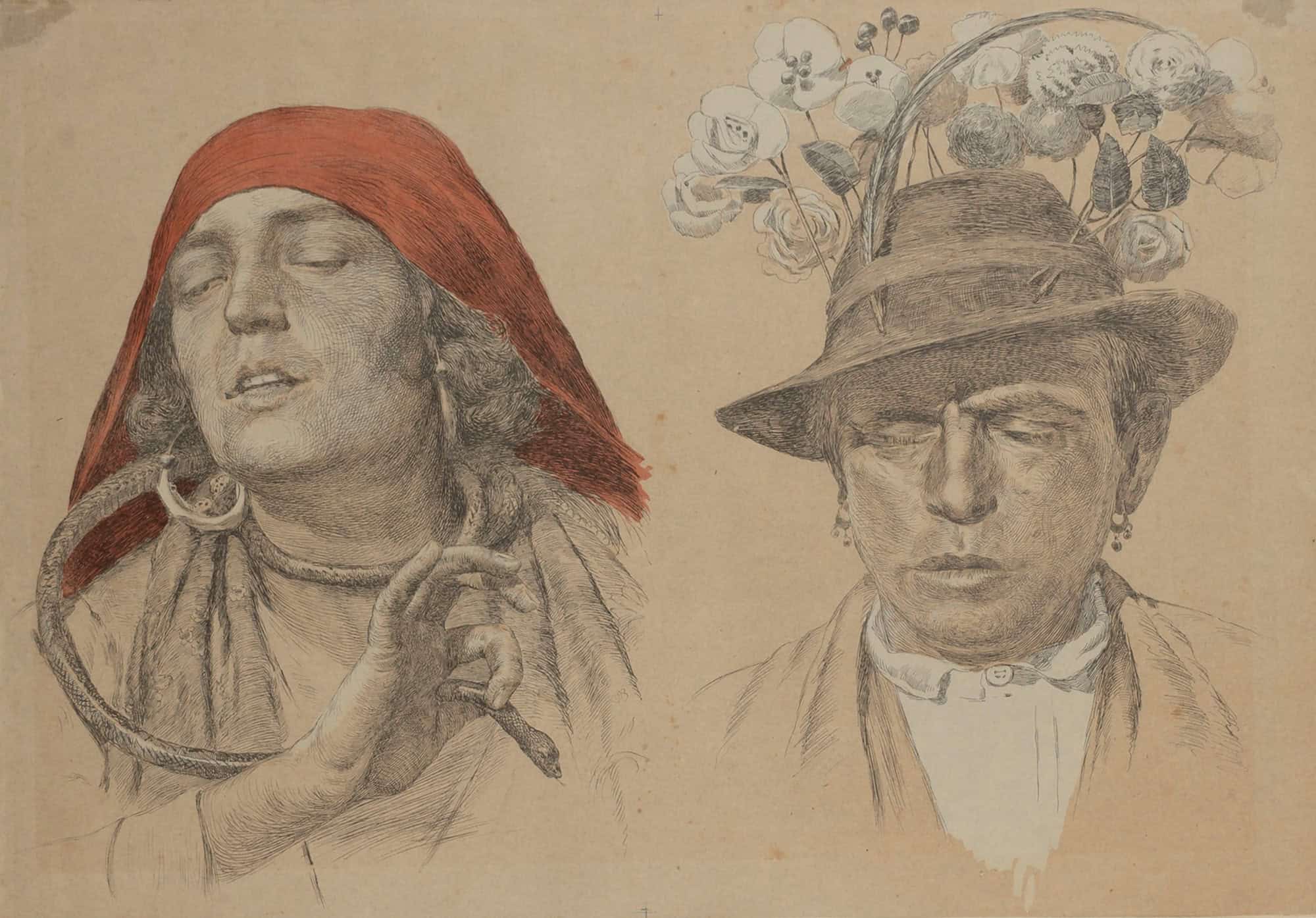
Today, most shepherds in Abruzzo are migrants from Romania, Albania, and countries from Northern Africa. The flocks are smaller, and the product has shifted: it’s now artisan, matured pecorino that is prized far beyond the region, yet locals buy most of their lamb and mutton from outside, judging “buying local” too costly. The old problem remains. The work is demanding, and the remuneration is low; other countries offer higher pay. Unless shepherding is valued with fair wages, there will be ever fewer Abruzzesi to pass on traditions, and the shepherd’s struggle remains much the same as it was 500 years ago.
Read the companion piece – Walk Abruzzo’s Ancient Route: Tratturo Magno

Alongside raising a teenager, Sam hosts guests at her family’s traditional home, the Little House of the Firefly in Abruzzo, offering a warm welcome and insider tips on local culture, food, and hidden gems.

Author: Sam Dunham
Sam is a freelance SEO content creator and IGCSE Geography and English teacher in Rome. She also runs the Life In Abruzzo Cultural Association, sharing stories and insights about this captivating region. Alongside raising a teenager, Sam hosts guests at her family’s traditional home, the Little House of the Firefly in Abruzzo, offering a warm welcome and insider tips on local culture, food, and hidden gems.