Live & Explore Abruzzo Like a Local – Join our Insiders Club

Inside L’Aquila’s Spanish Fort & Nazionale d’Abruzzo Museum

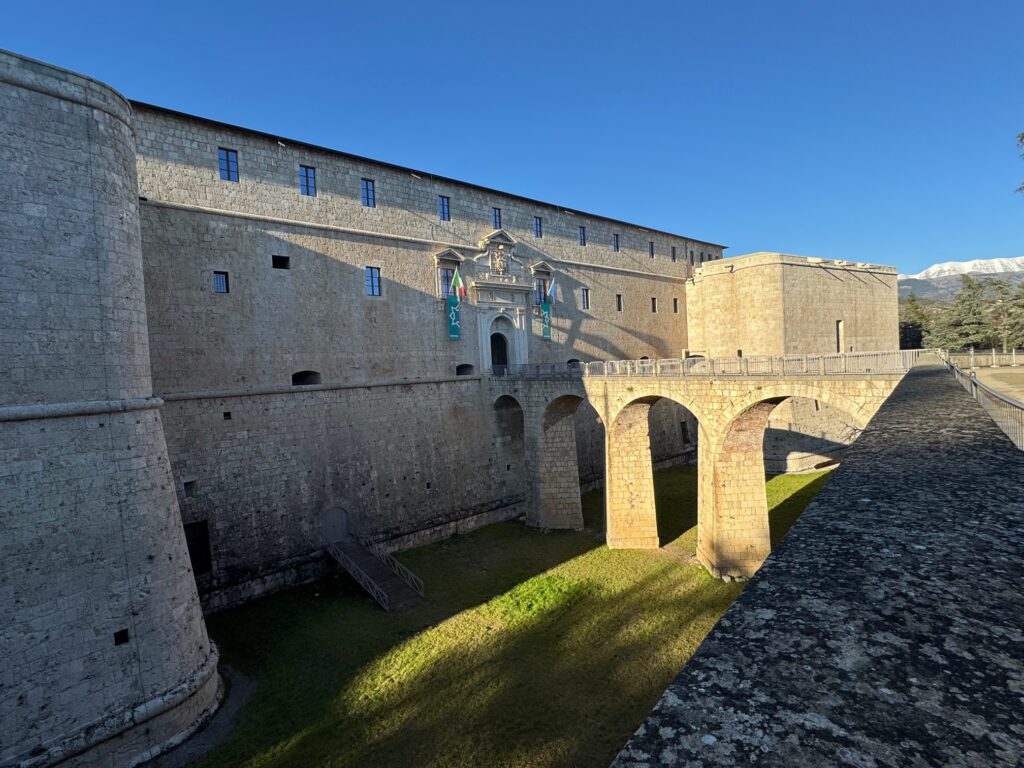
Ancient Abruzzo castle featuring stone architecture and scenic mountain backdrop under clear blue sky.

The Spanish Fort and MuNDA: L’Aquila’s Cultural Return

I visited Forte Spagnolo Museum for the first time just a week before the 2009 L’Aquila Earthquake. The building was huge and the religious art stood out, but the visit felt disjointed and a little musty, not doing justice to the pieces in the MUNDA collection.

Sixteen years later in 2026, as L’Aquila is Italy’s Cultural Capital in 2026, the fortress is once again becoming the city’s cultural center. Built from 1534 to 1567 during Spanish rule, the castle has reopened in part as the Museo Nazionale d’Abruzzo, marking a key step in the city’s recovery.

A Clearer Structure, A Stronger Story

The newly opened rooms are thoughtfully arranged, colourful translation for those who don’t speak English with a QR Code generated guide. Right now, the focus is on archaeology, medieval art, and early Renaissance galleries, which together give a clear introduction to Abruzzo’s history. More rooms and visitor facilities, like a planned restaurant, will open in later phases. 

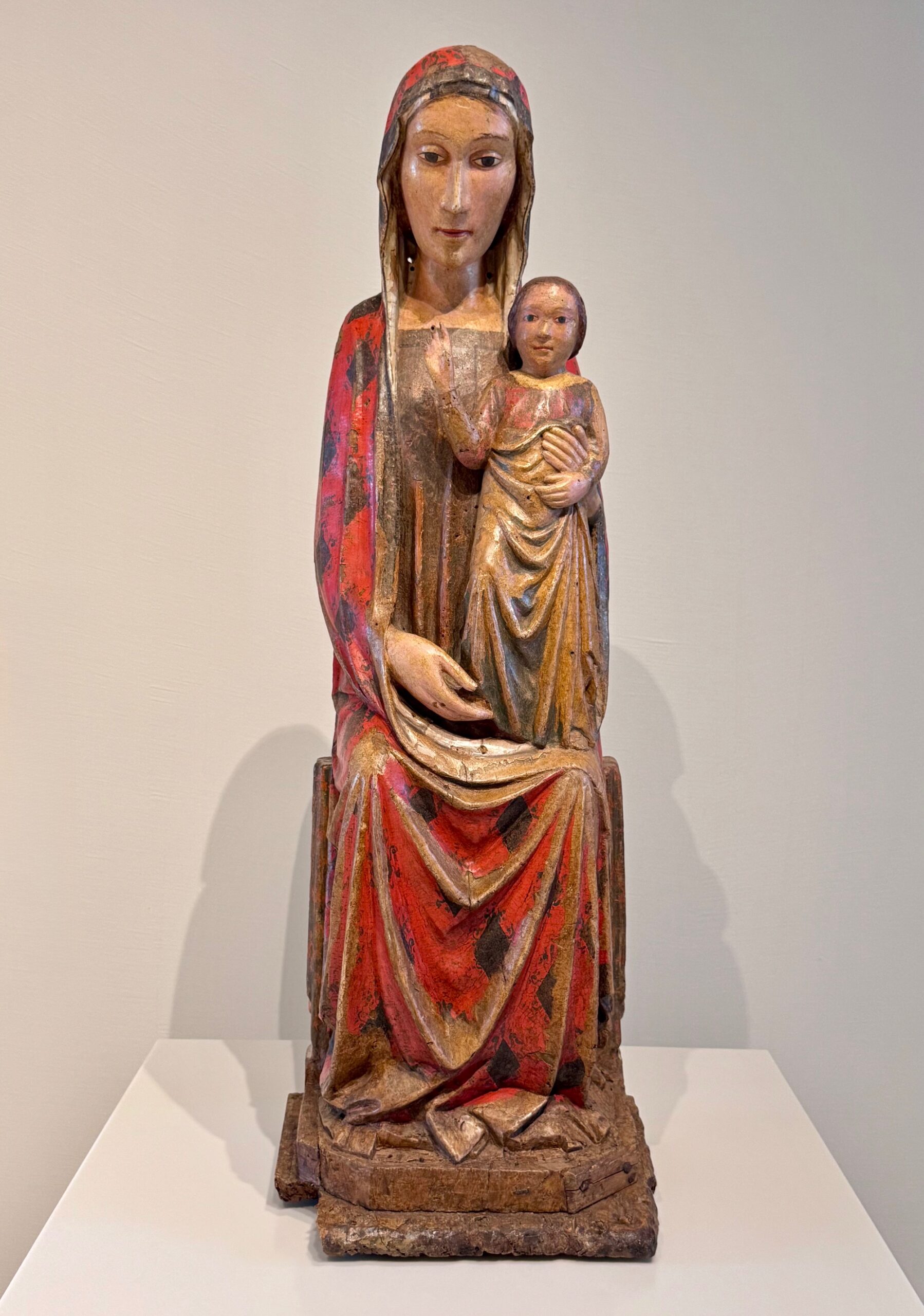
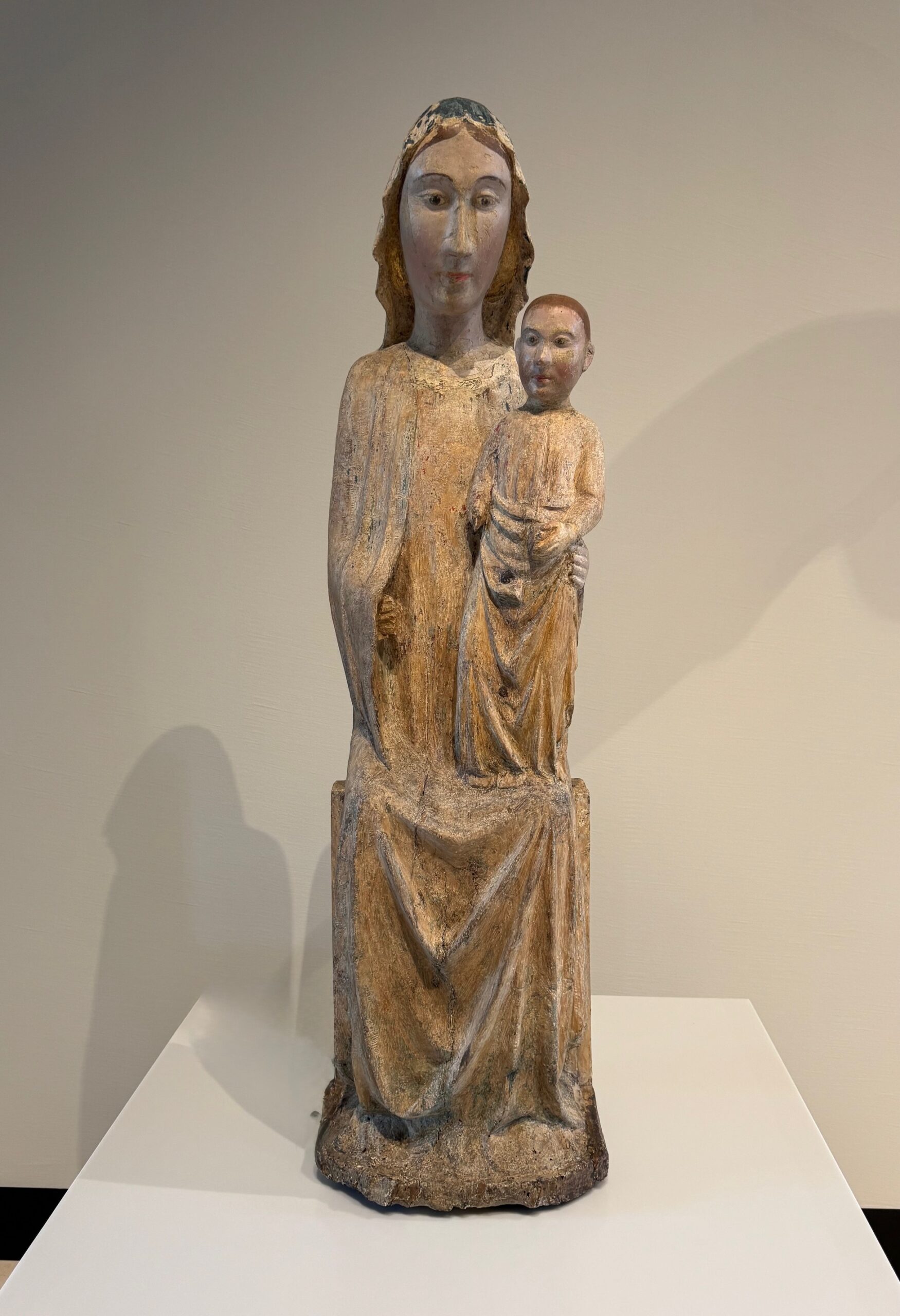
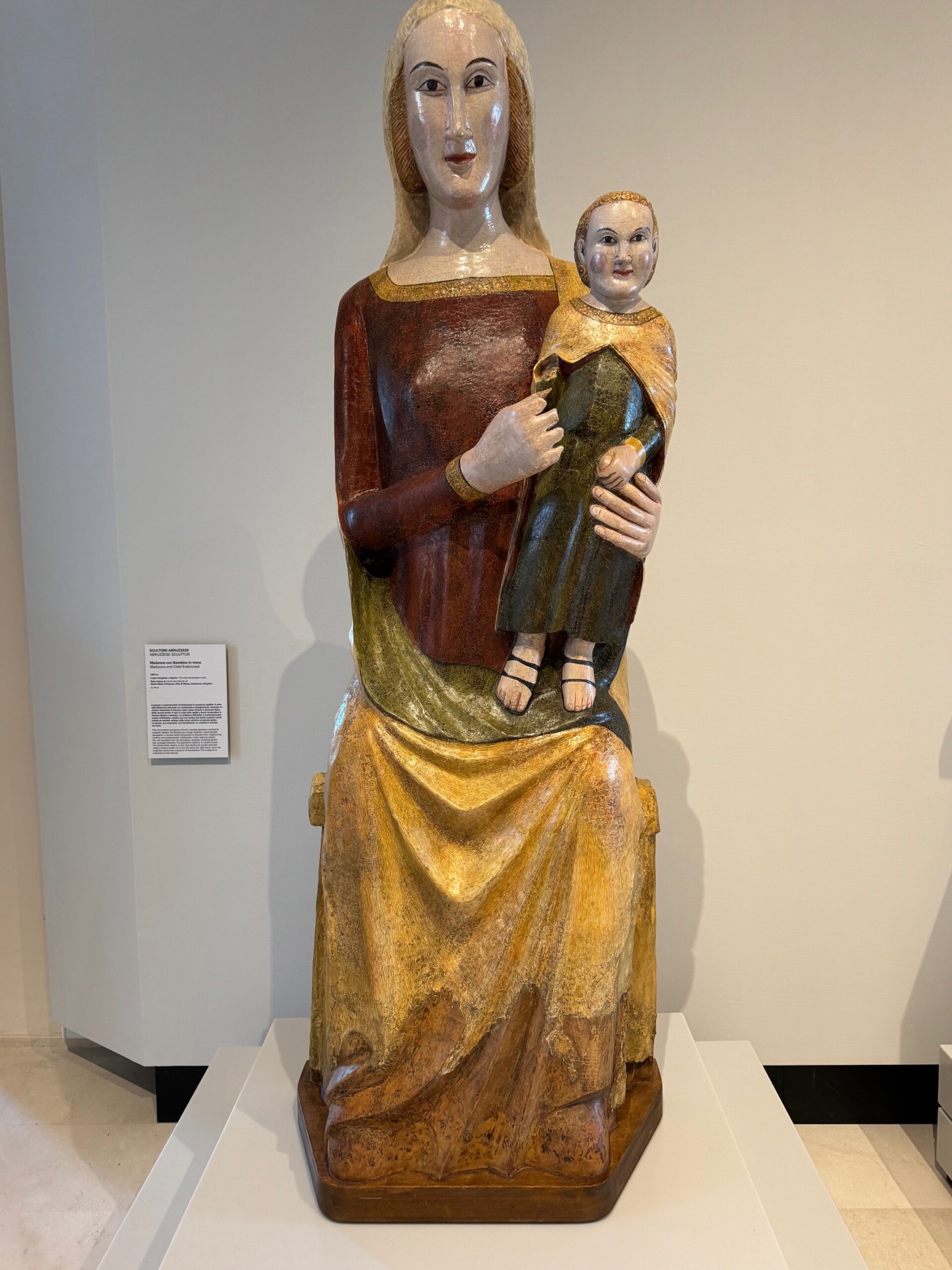
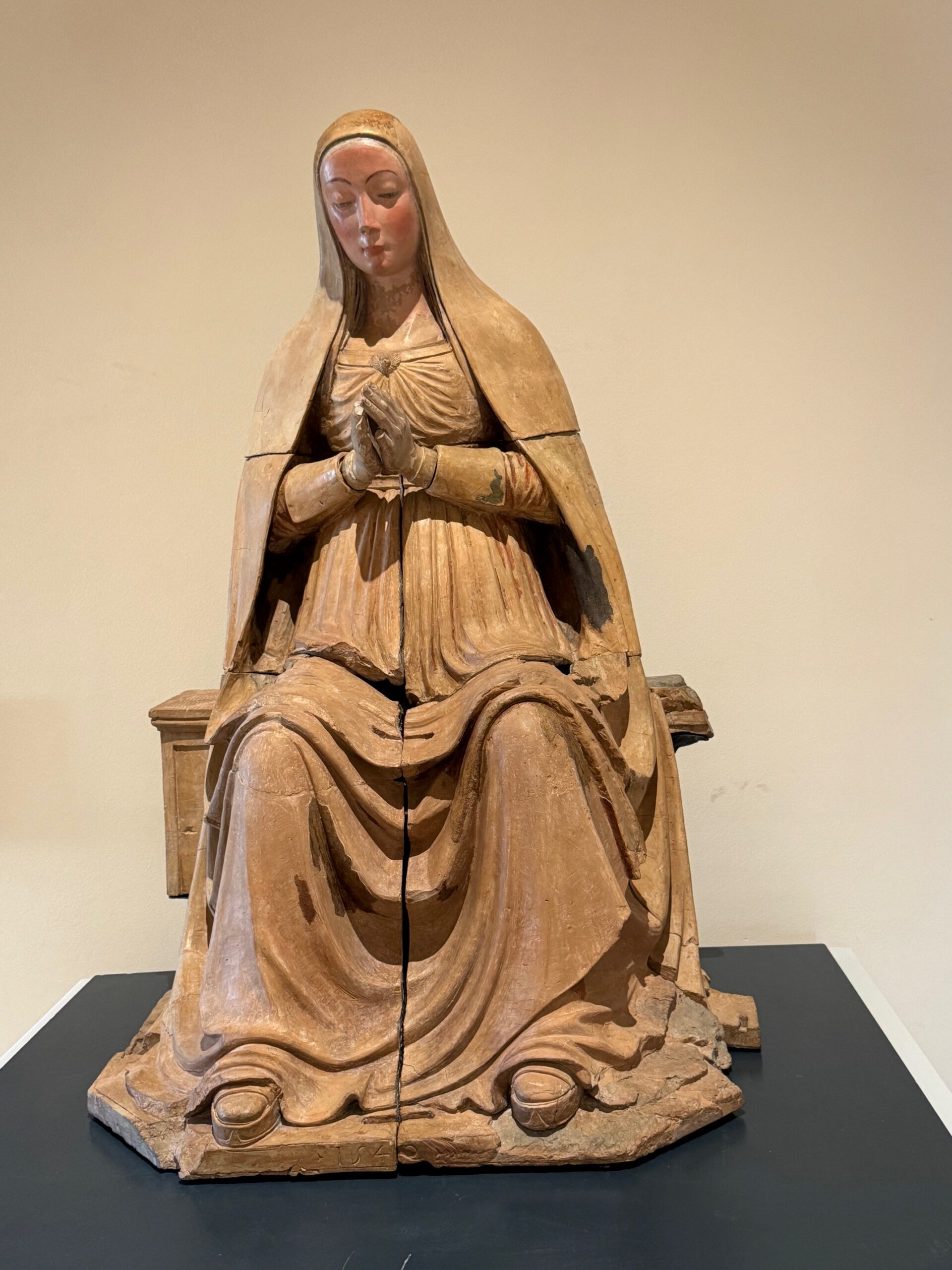
The collection makes an instant impression. As you move from archaeological finds to medieval Madonnas and Renaissance works, the art shows how wealthy some areas of Abruzzo once were. The sheep trade bought local dukes, and monasteries’ real prosperity, much of which went into art. The size and quality of these pieces show that even small mountain towns aimed for lasting, ambitious works.

Highlights include Renaissance works by Andrea Delitio, Silvestro dell’Aquila, Giovanni di Biasuccio, and Saturnino Gatti. Their art shows a strong local style influenced by trends across Italy. Later pieces link Abruzzo to the wider national story, with artists like Francesco Solimena, Sebastiano Conca, and modern names such as Renato Guttuso and Giuseppe Capogrossi.

Best Use of  Immersive Technology

One of the best parts of the reopening is the use of immersive multimedia. Videos and documentaries are projected on the walls and floors, and 3D installations bring the building to life. This approach is confident yet careful, helping visitors understand more without detracting from the art or the fortress’s historic feel.

The Mammoth Remains Central

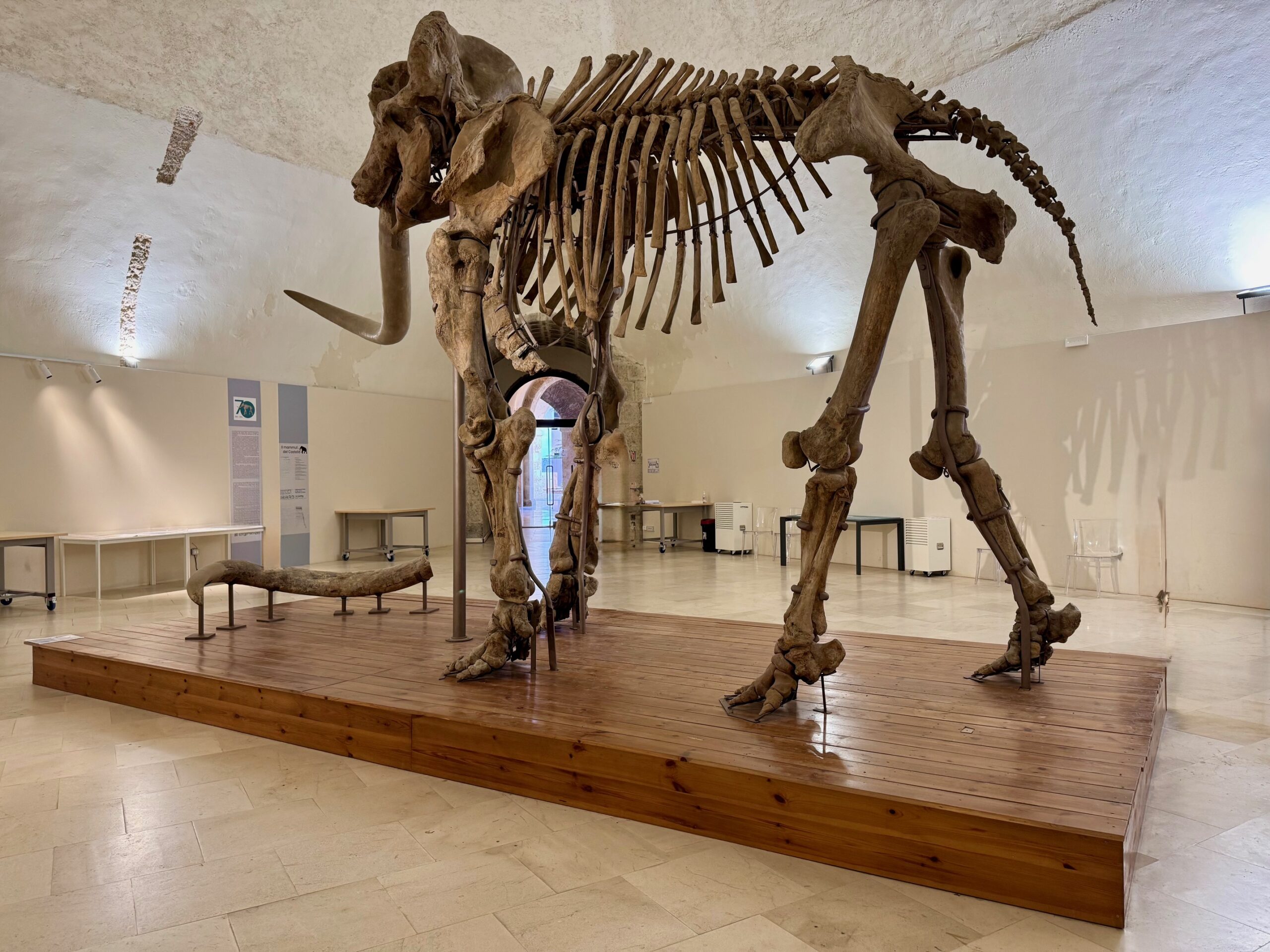
The Mammuthus meridionalis skeleton is still one of the museum’s most fascinating sights. This huge, hairless mammoth with one tusk is shown alongside documentary footage of its prehistoric life west of L’Aquila, in Scoppito, and its discovery at a brick factory. The display still connects with visitors of all ages. When I visited, my son spent a passionate age taking photos of the mammoth’s shadow on the wall.

Fossilised dinosaur skeleton on display in a museum setting.

A Museum Still in the Making

The museum isn’t fully reopened yet, but it doesn’t feel temporary. The current displays are clear, well-organised, and carefully chosen, with room to grow. As more galleries and services open, the Spanish Fort is on track to become more than just a museum; it will be a destination in its own right.

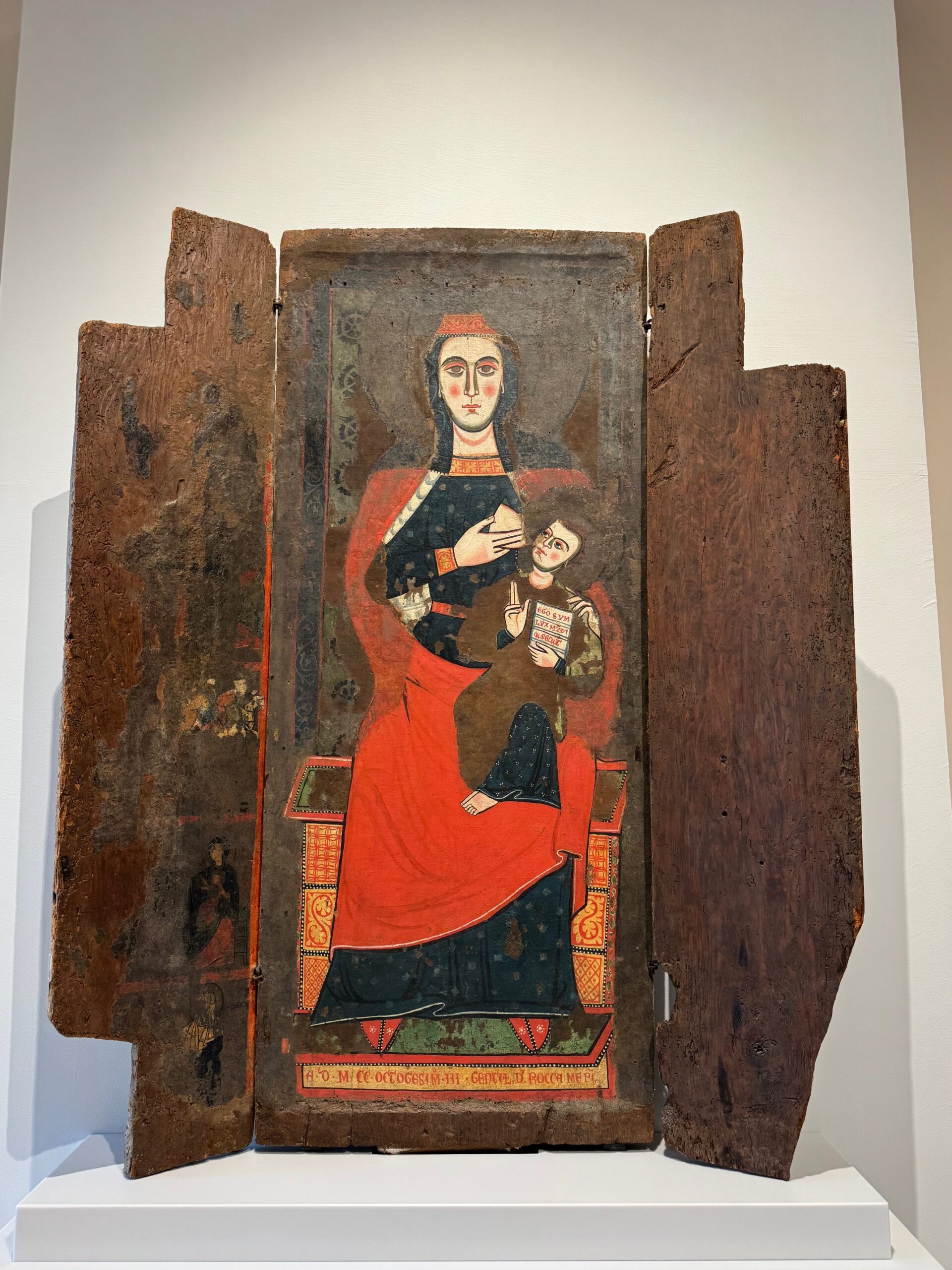
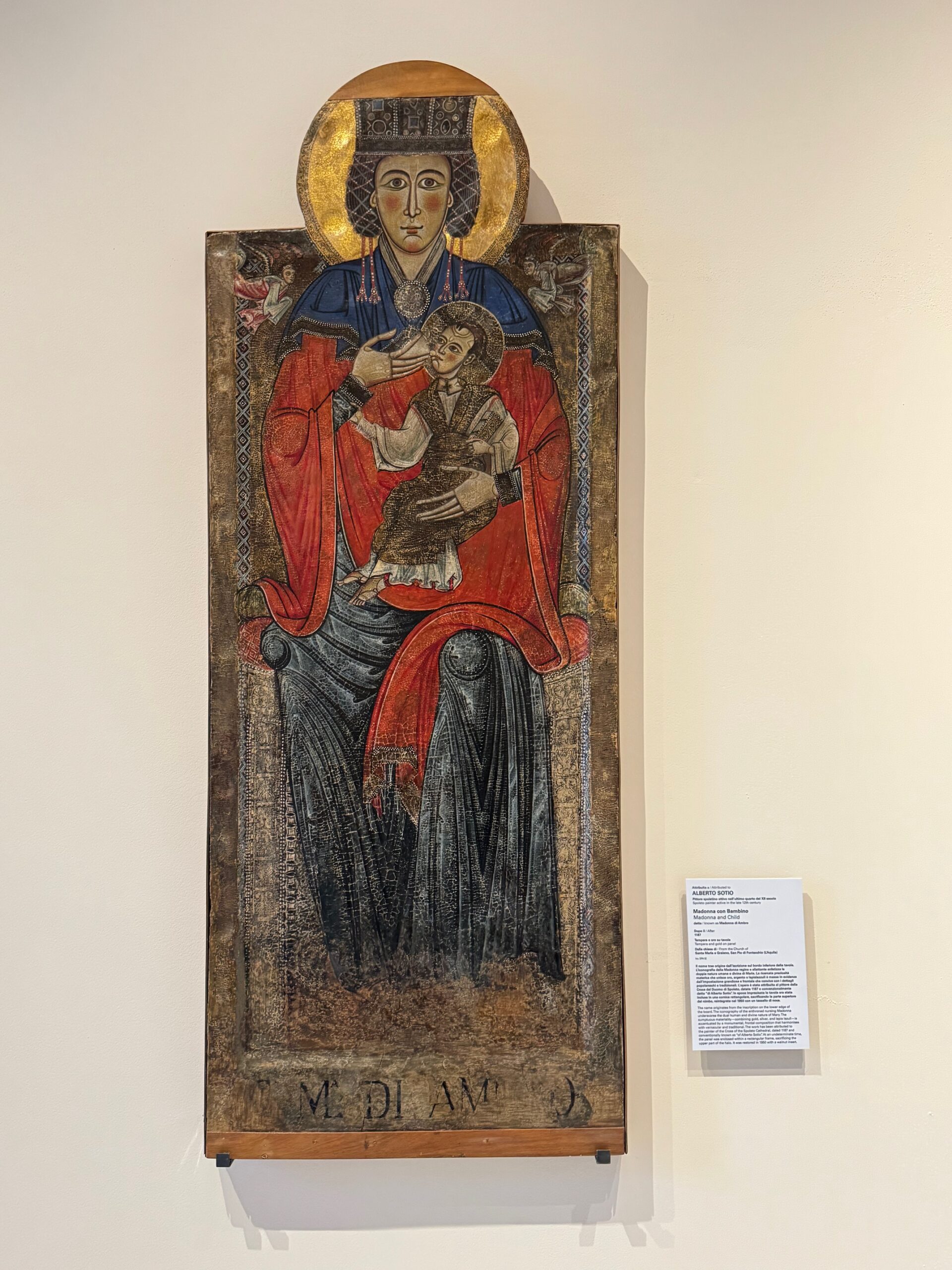
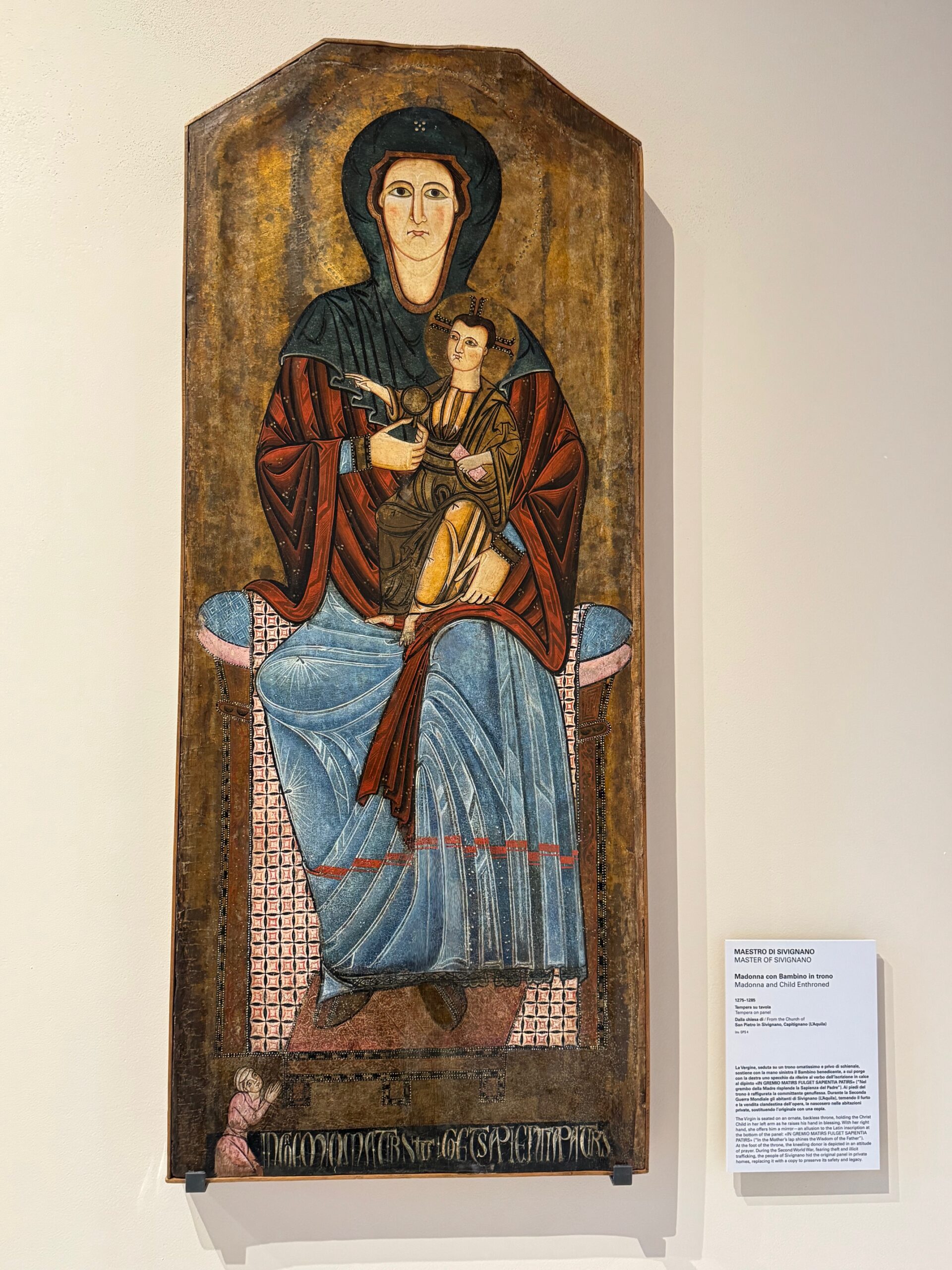
For visitors in 2026 and after, MuNDA gives a rare chance to truly understand Abruzzo’s rich culture, all inside a fortress that now stands as a symbol of L’Aquila’s strength, alternatively be buoyed enjoy the hopeful palette and gold leaf used to embellish the Madonnas on display. They reveal so much of the past, when all shapes and sizes of women were revered, brocades and damask enveloped, and see how much fashion has changed.

Ticket Cost: €10; discounts and free for kids, depending on age.  It is part of the Domenica Museo, scheme where entrance is free the first Sunday of every month!

Opening Hours – 09.00-19.00, closed on Mondays, see the MUNDA website for national holiday hours and special exhibition openings, 

Sam Dunham
Author: Sam Dunham

Sam is a freelance SEO content creator and IGCSE Geography and English teacher at Istituto Cristo Re in Rome. She also runs the Life In Abruzzo Cultural Association, sharing stories and insights about this captivating region.

Alongside raising a teenager, Sam hosts guests at her family’s traditional home, the Little House of the Firefly in Abruzzo, offering a warm welcome and insider tips on local culture, food, and hidden gems.
0 0 votes
Article Rating
Subscribe
Notify of
guest

0 Comments
Oldest
Newest Most Voted
Inline Feedbacks
View all comments
Tradurre »