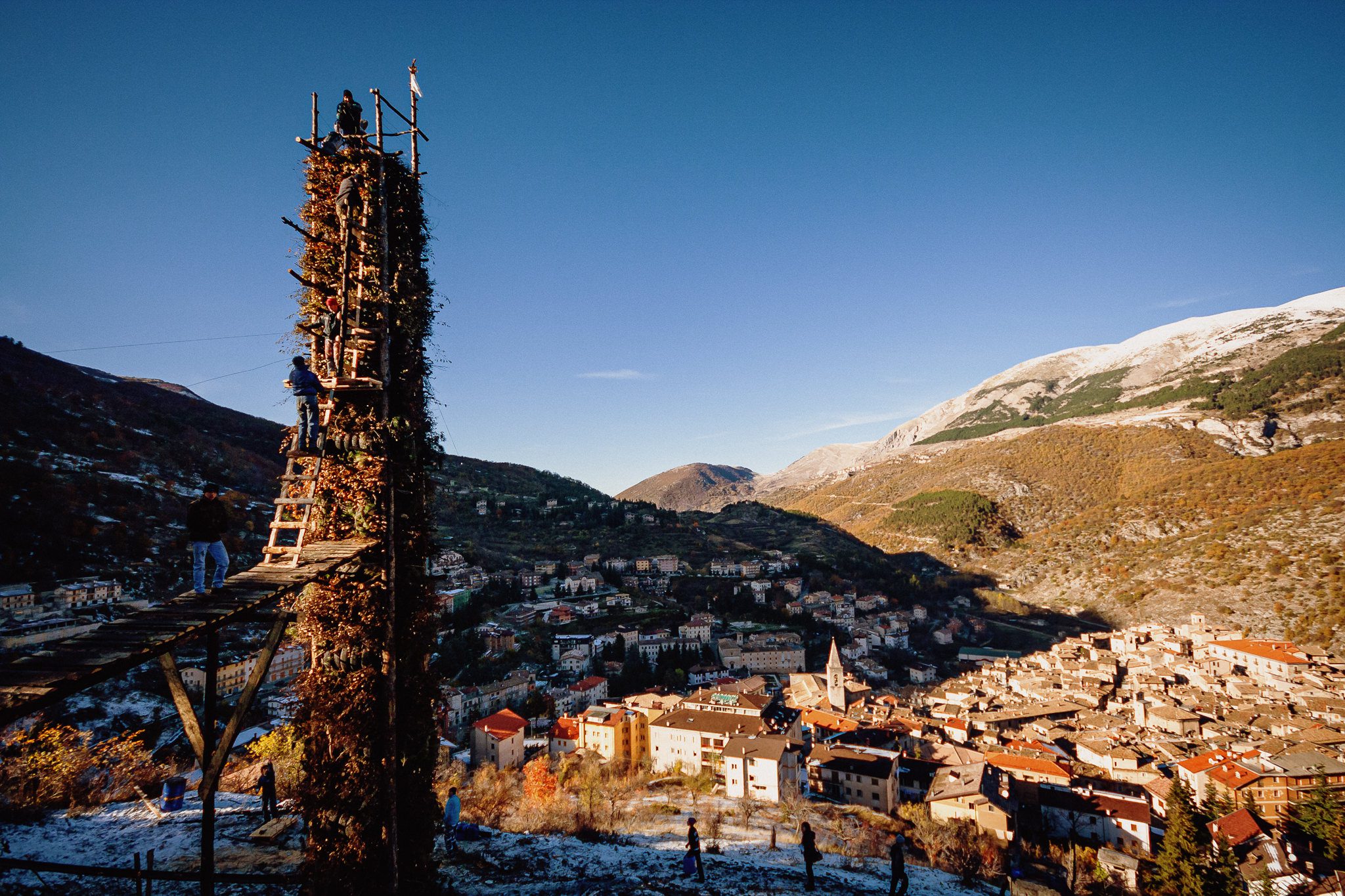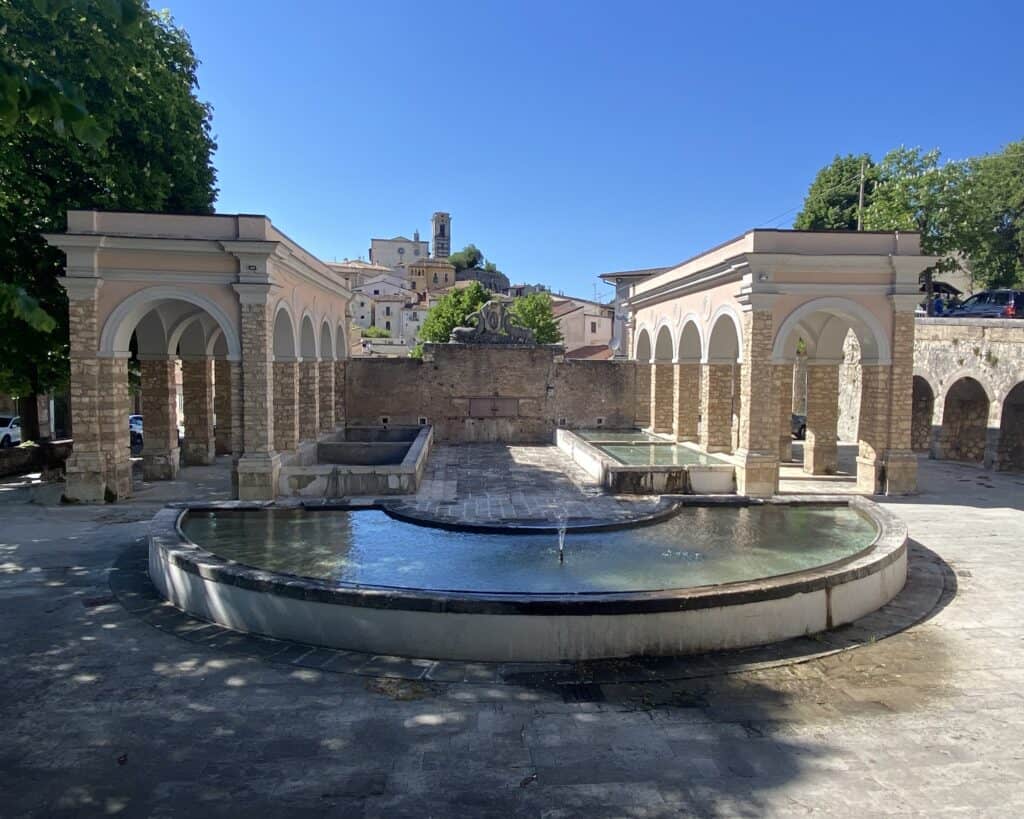
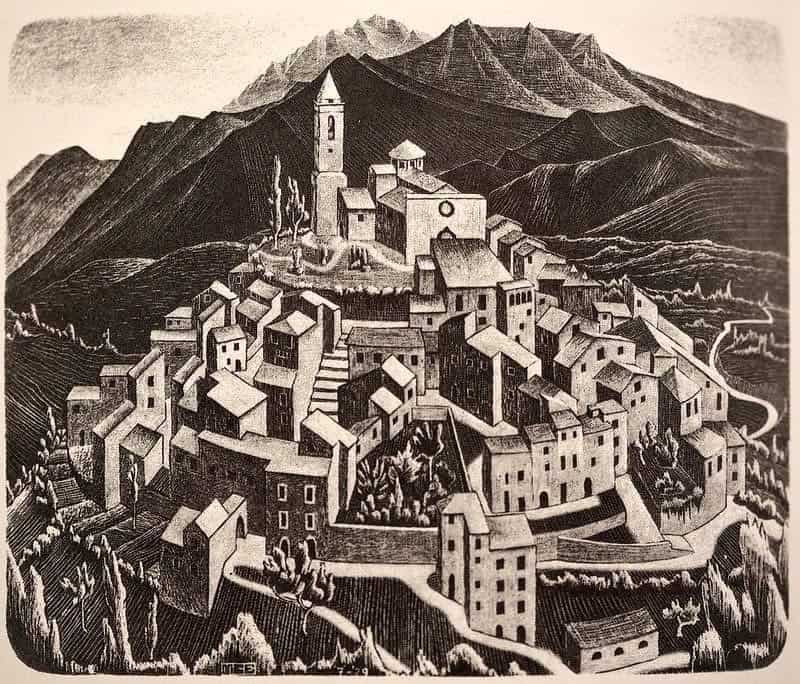
 Tucked between Apennine peaks in the Sirente and Velino Regional Park lies Goriano Sicoli—a village of narrow lanes and dizzying perspectives that once captured the imagination of M.C. Escher. Enchanted by Goriano’s steep stairways and improbable geometry, the Dutch artist saw more than just stone and sky; he glimpsed a world where time folded in on itself.
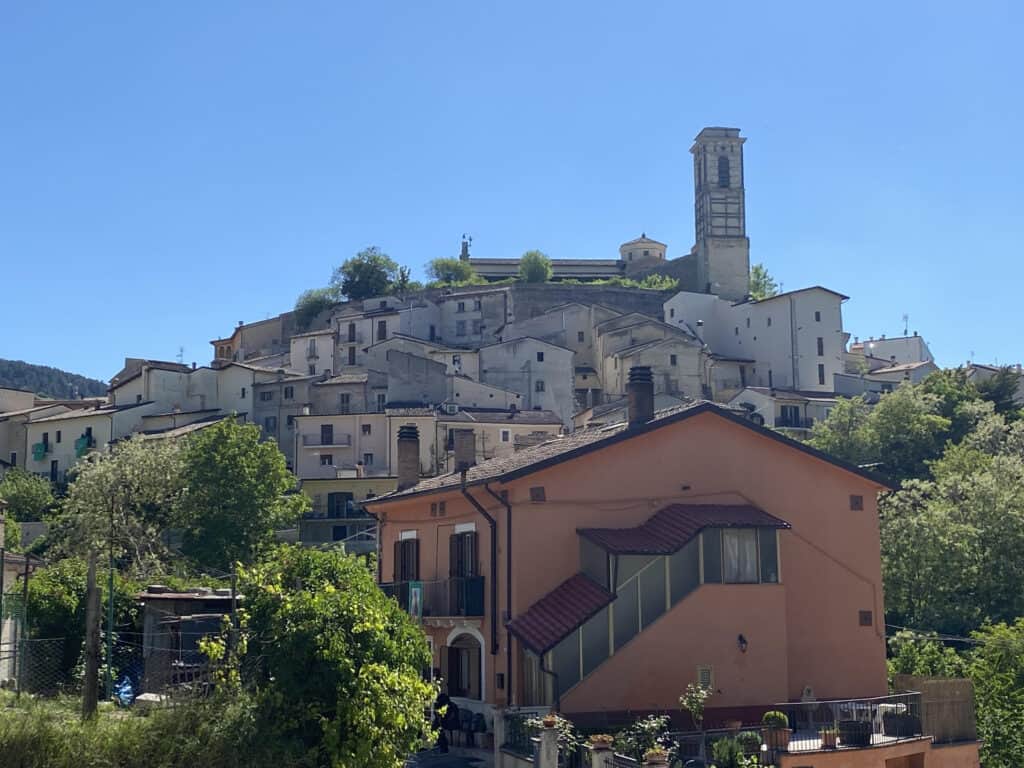
Each May, Goriano Sicoli peels back another layer of its history with the Festa di Santa Gemma, a celebration that weaves together Christian devotion and echoes of ancient myth. This is not simply a religious event; it is a living memory of a time when gods and goddesses walked the earth, that began with the story of Demeter, the original May Queen, and morphed into a celebration of a humble shepherdess who defied a powerful lord and became a Saint.
From Demeter to Saint Gemma: A Festival of Renewal
Long before Saint Gemma’s time, these hills were sacred to Demeter, the Greek goddess of agriculture and fertility. Each spring, villagers once gathered to honour her, offering thanks for returning life to the fields after the barren winter. Bread, flowers, and woven wreaths symbolised the earth’s rebirth — rituals meant to ensure prosperity and protection.
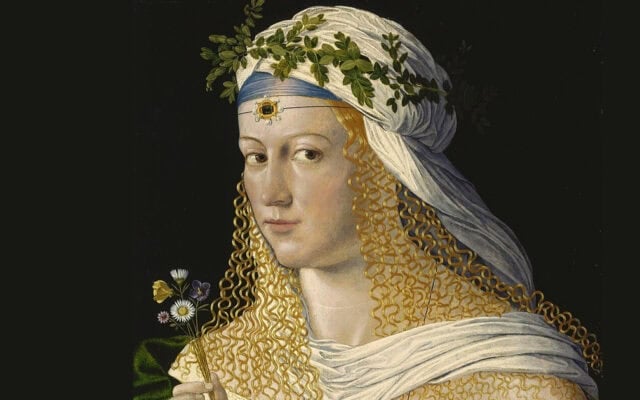
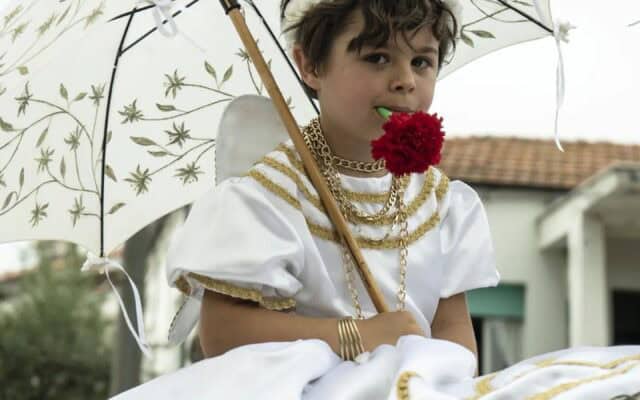
Across Europe — and here in Abruzzo — these springtime ceremonies often featured a symbolic figure: the May Queen. Representing nature’s renewal and the earth’s new life, the May Queen was typically a young woman adorned with flowers and greenery, paraded through villages, she was the embodiment of beauty, fertility, and hope.
When Christianity arrived, these ancient rites did not vanish but were transformed. In Goriano, Saint Gemma, born in the 13th century, became Goriano’s symbol of renewal and endurance, perfectly blending the spirit of the ancient May Queens but with Christian virtues of faith, purity and chastity and the medieval notion of ‘pastorelle’.
The Defiance of Saint Gemma
Gemma was a poor shepherdess known for her deep faith and kindness. Two traditions tell Saint Gemma’s story: in one, she fled San Sebastiano dei Marsi, her birthplace, alone to escape an arranged marriage and dedicate herself to God; in the other, her family moved to Goriano Sicoli due to poverty, where the local Count of Celano tried to seduce her. There are 2 accounts of what happened next: the first that the Count imprisoned her, hoping to crush her spirit and so no one else could have her and the second that, in penance, he built her a room where she could view the church’s altar. Take your pick of why she was locked away for nearly 43 years till her death!
Her story embodies a real-life inversion of the ‘pastorelle’ tradition: rather than a shepherdess pursued by a knight, she was a humble village girl who fled seduction to live a solitary, chaste life devoted to God, choosing spiritual purity over romantic or worldly entanglement. Her story reflects the pastoral ideal of innocence and simplicity, but transforms it into a model of female agency and sanctity rather than courtly seduction.
The Festa: Rituals and Community
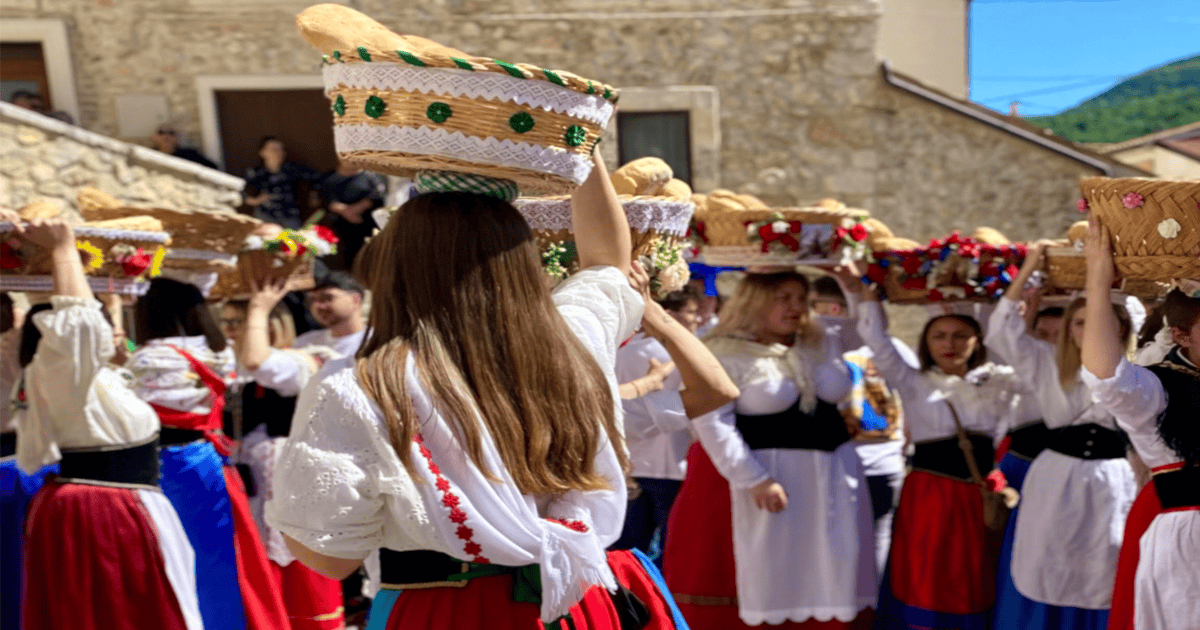
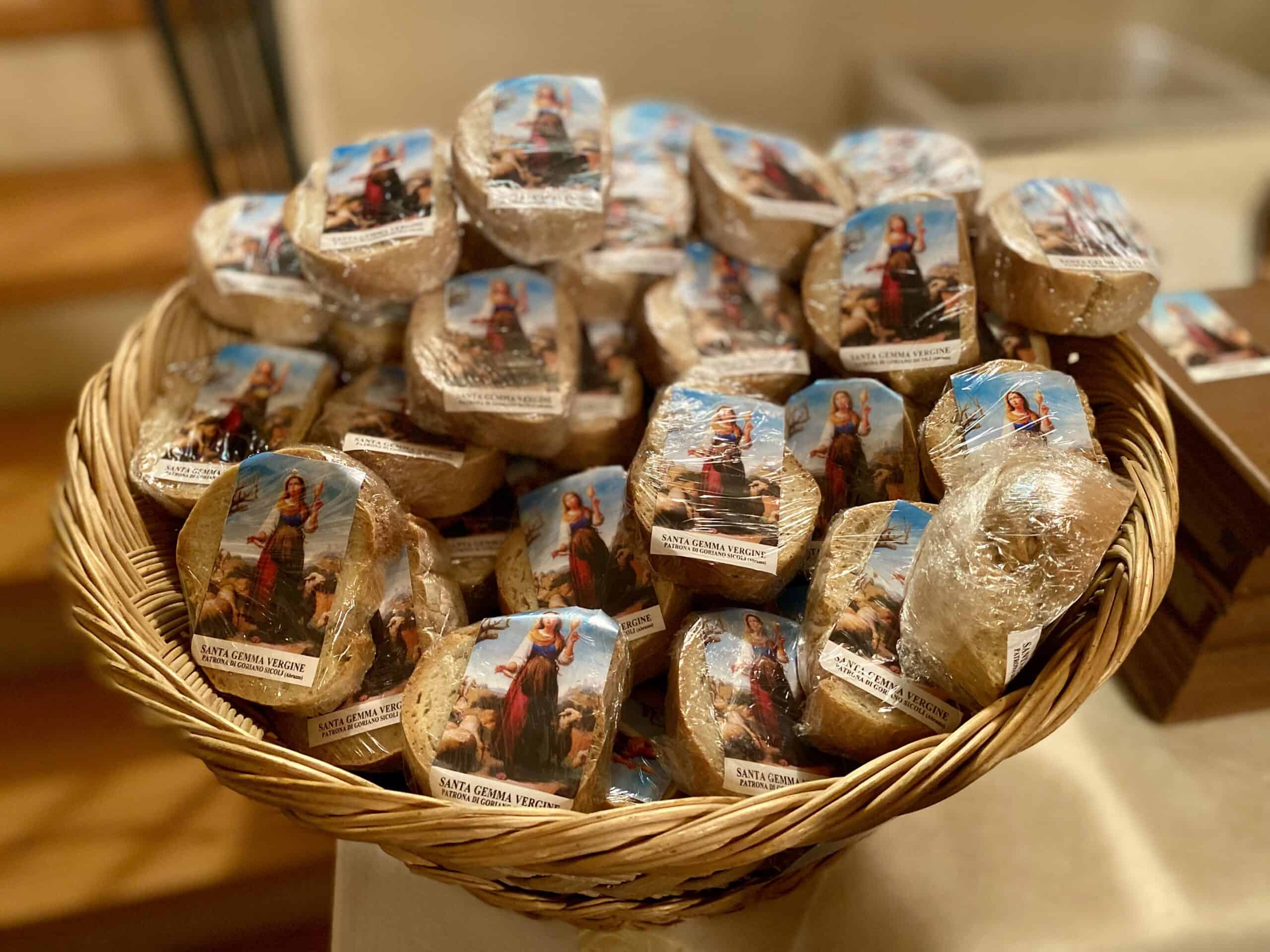
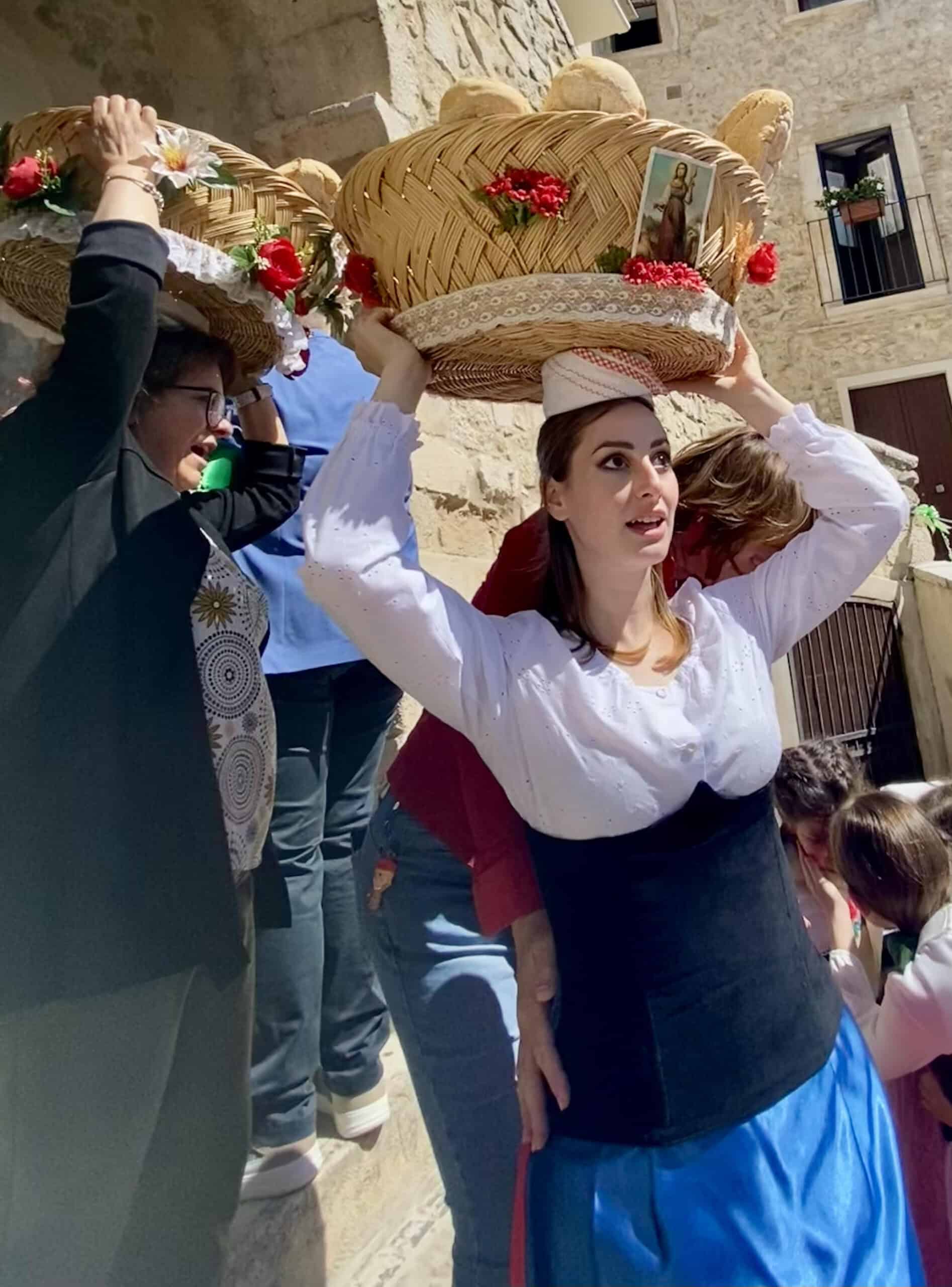
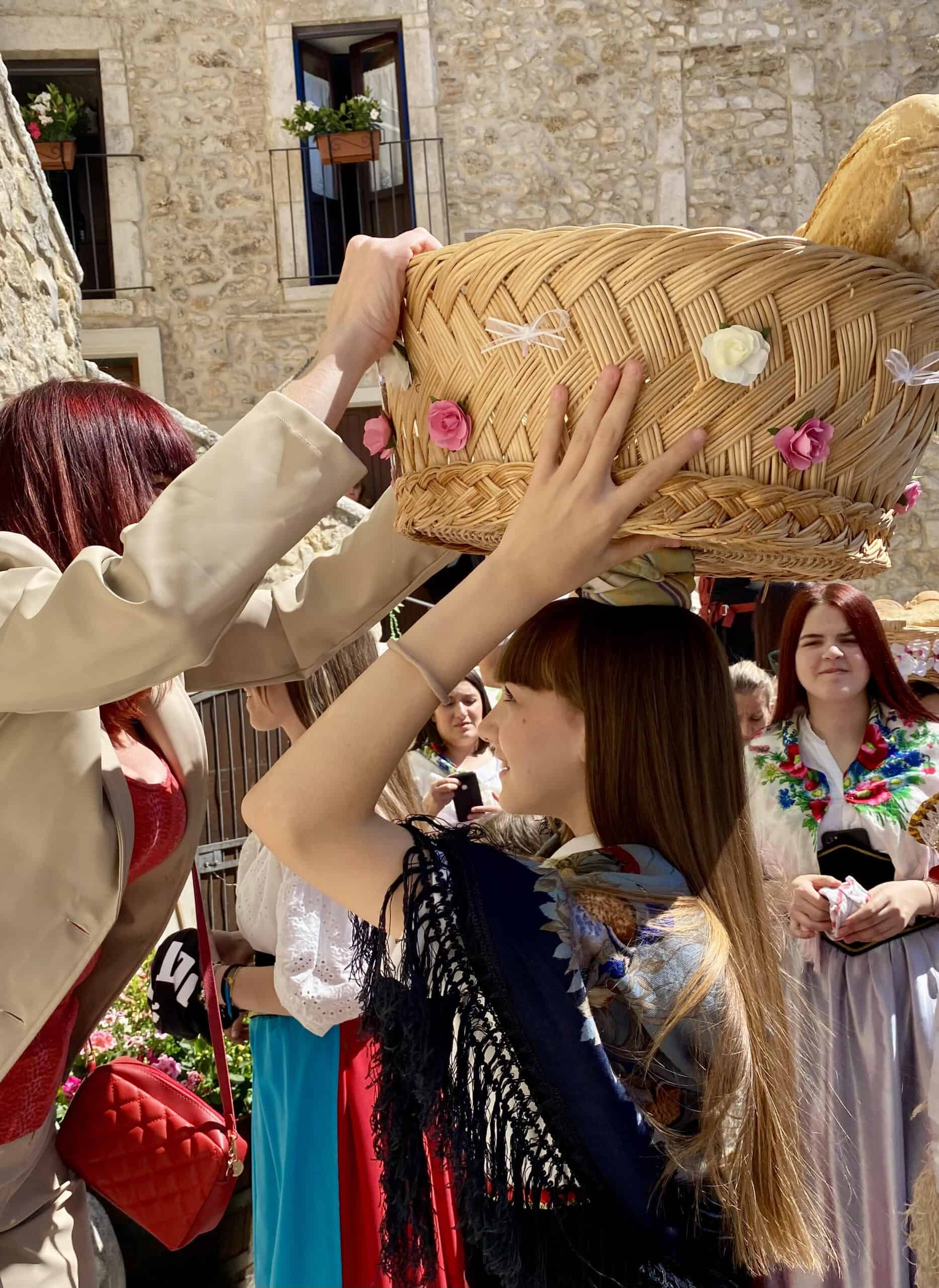
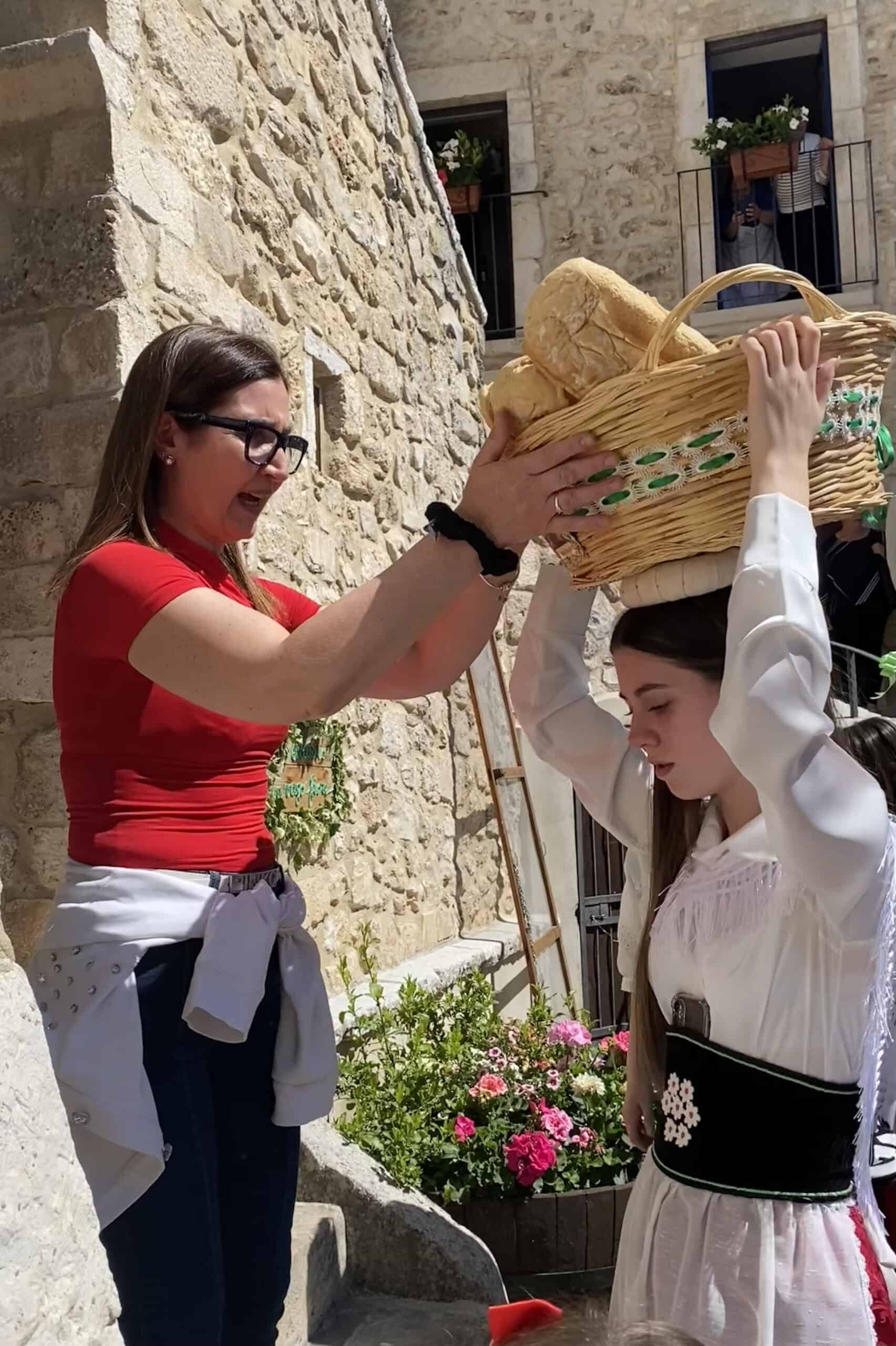
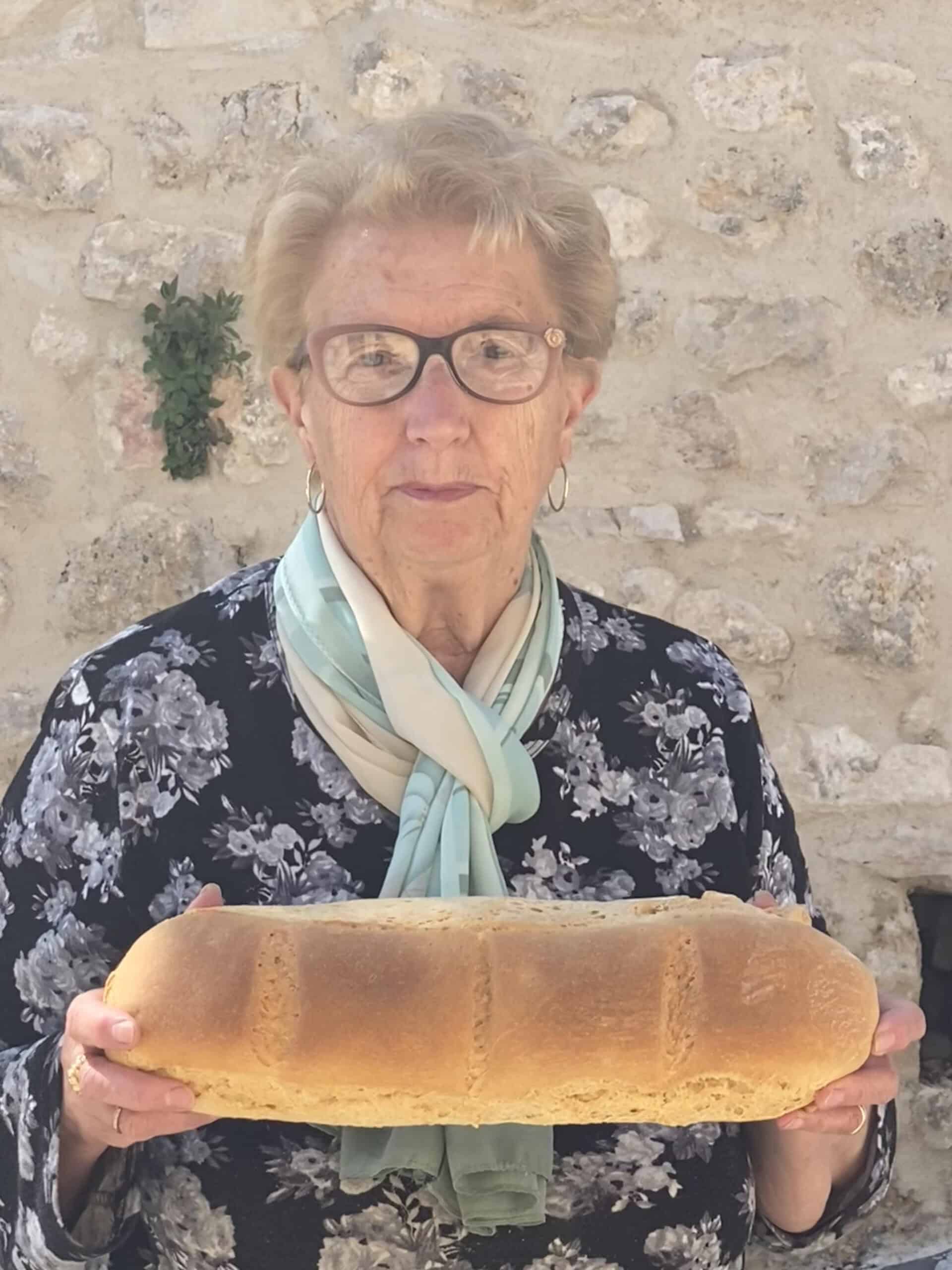
In the run-up to the festa, local mothers bake bread that they will pass on to their unwedded daughters to distribute—a gesture rich in symbolism. This ritual can be seen as the passing of winter’s wisdom to the promise of spring, with the daughters embodying renewal, fertility, and future abundance. The bread, a sacred offering from the last harvest, becomes a blessing shared by the young, bridging generations and seasons in honour of a saint who chose devotion over marriage.
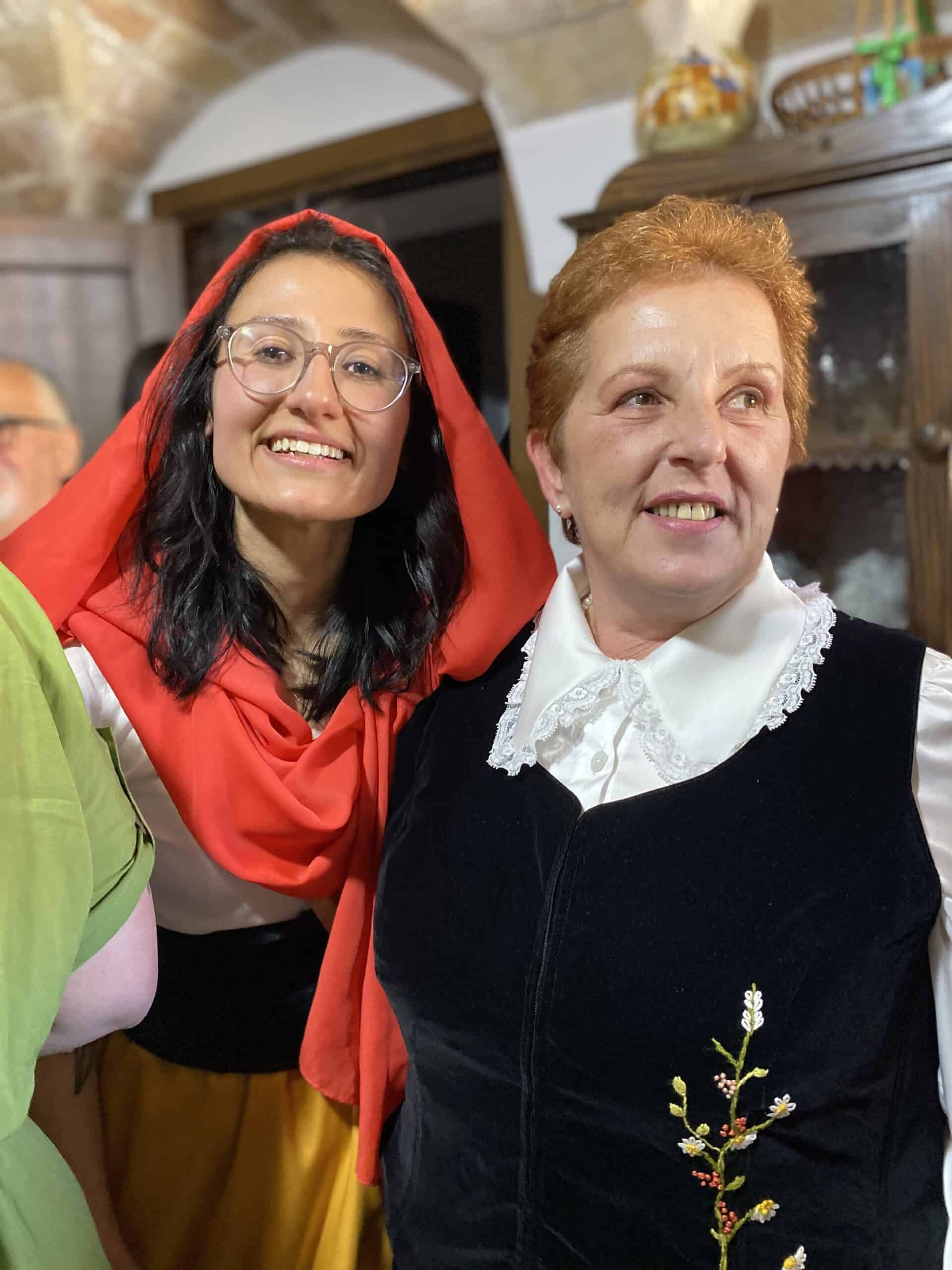
On the day of the festa the Processione della “Pastorella” begins, where one girl from San Sebastiano dei Marsi, represents Saint Gemma, walking barefoot along the road to Goriano Sicoli, carrying a large votive candle. This symbolic journey commemorates Saint Gemma’s life and her connection between the two communities—a long procession winds up the hill, headed by a band that everyone is invited to follow. Upon arrival, she is welcomed by local authorities, a mass is held, and prosciutto sandwiches and wine are distributed to everyone who attends.
Processione dei Canestri
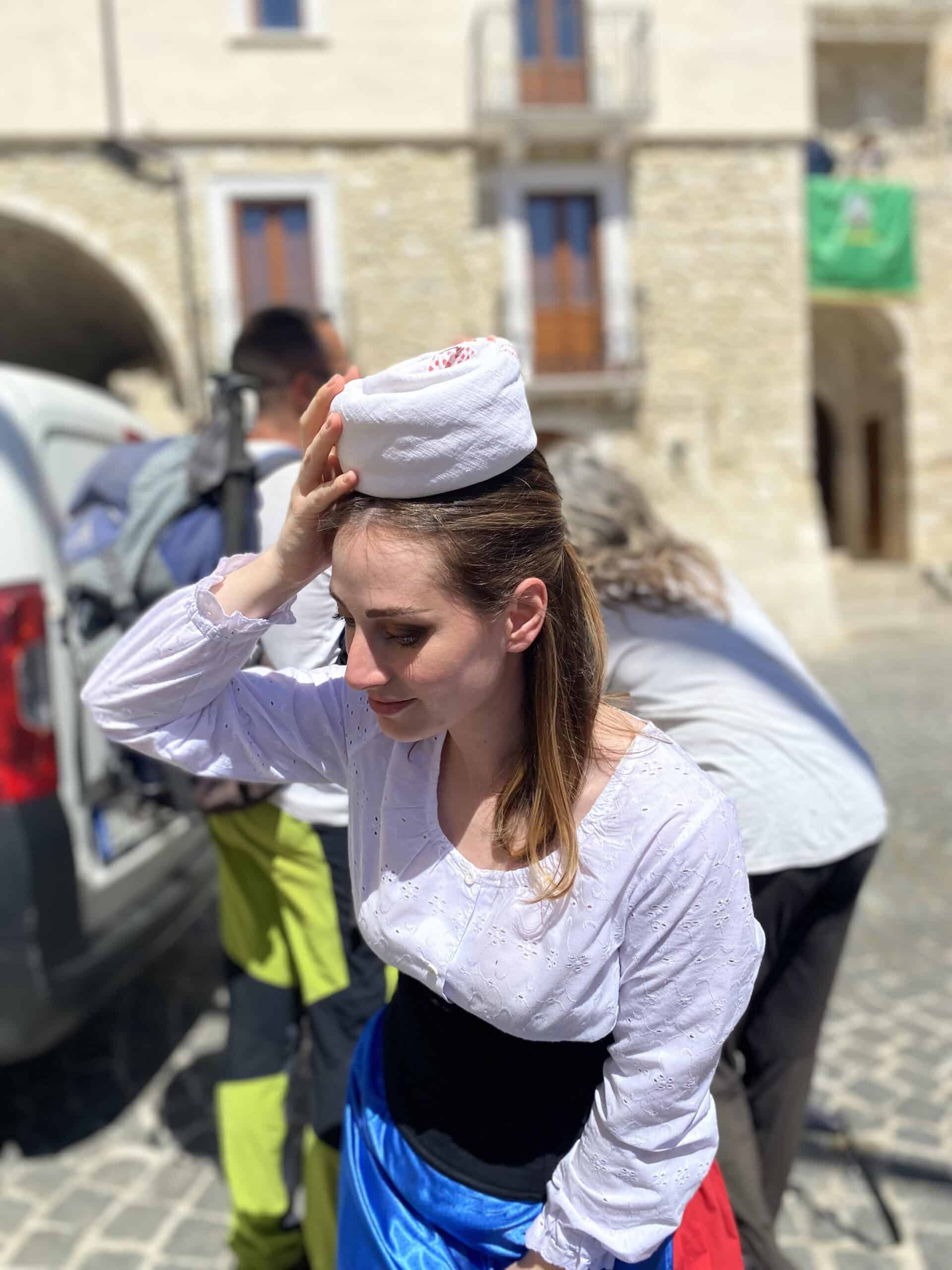
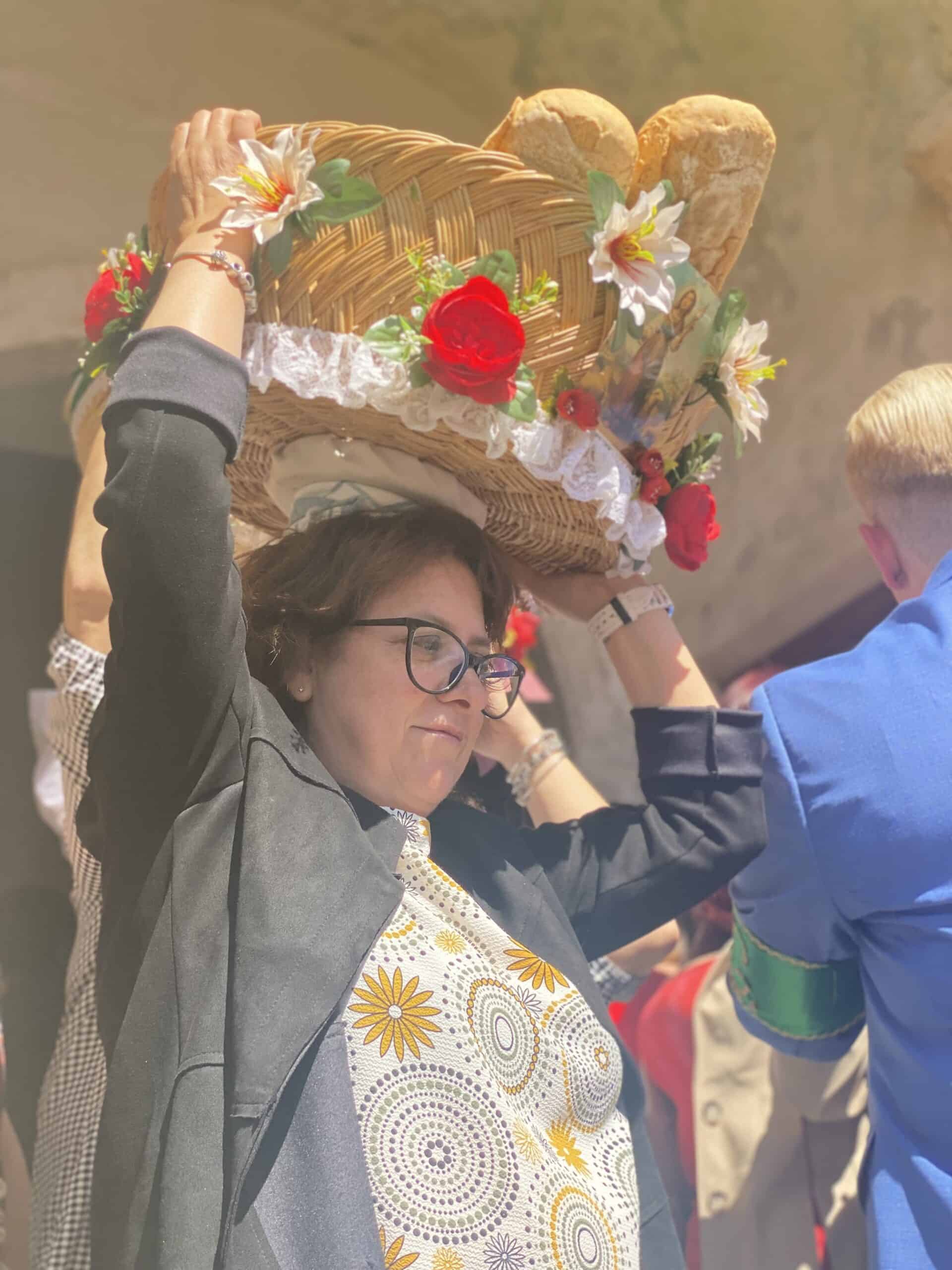
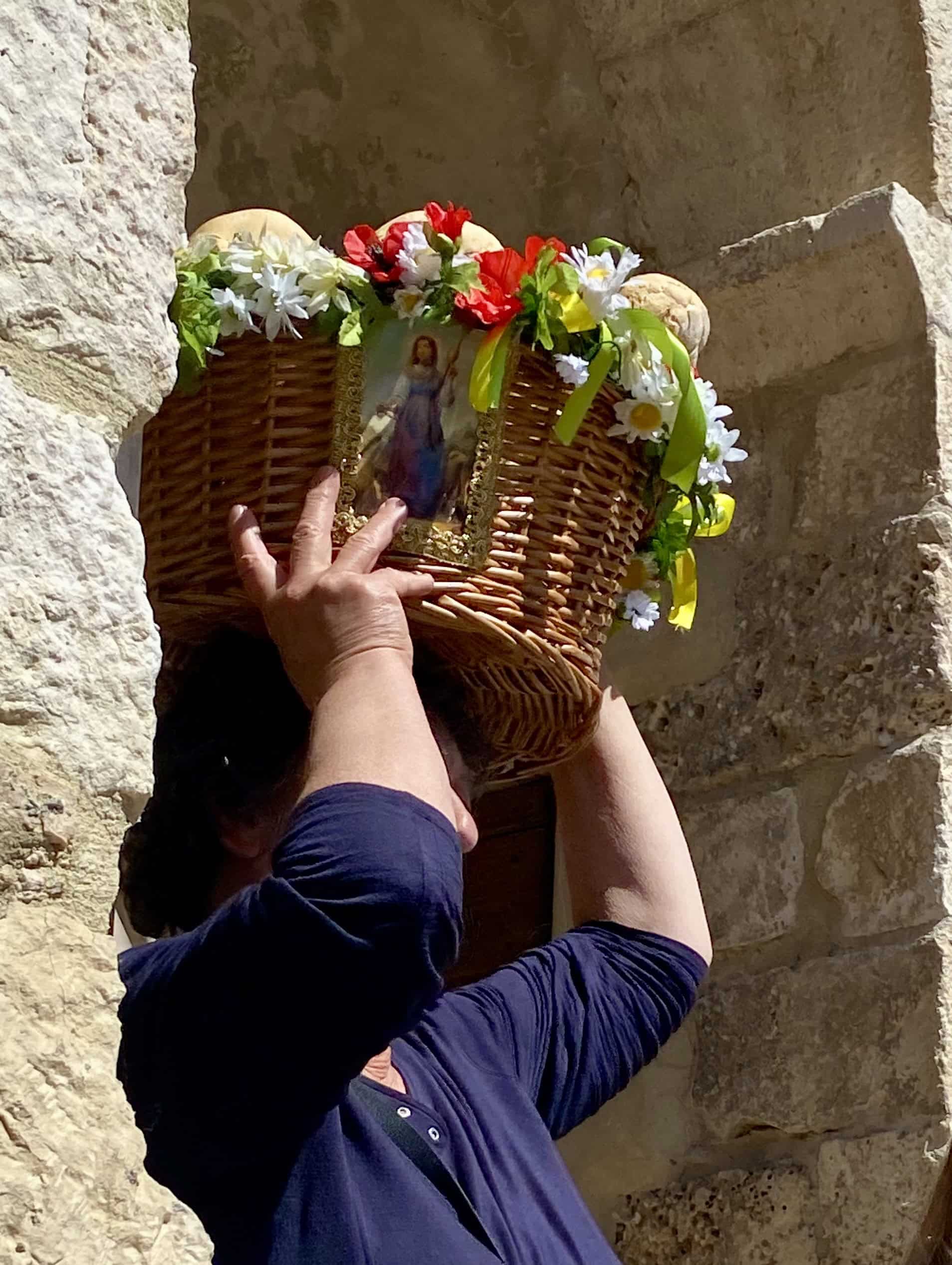
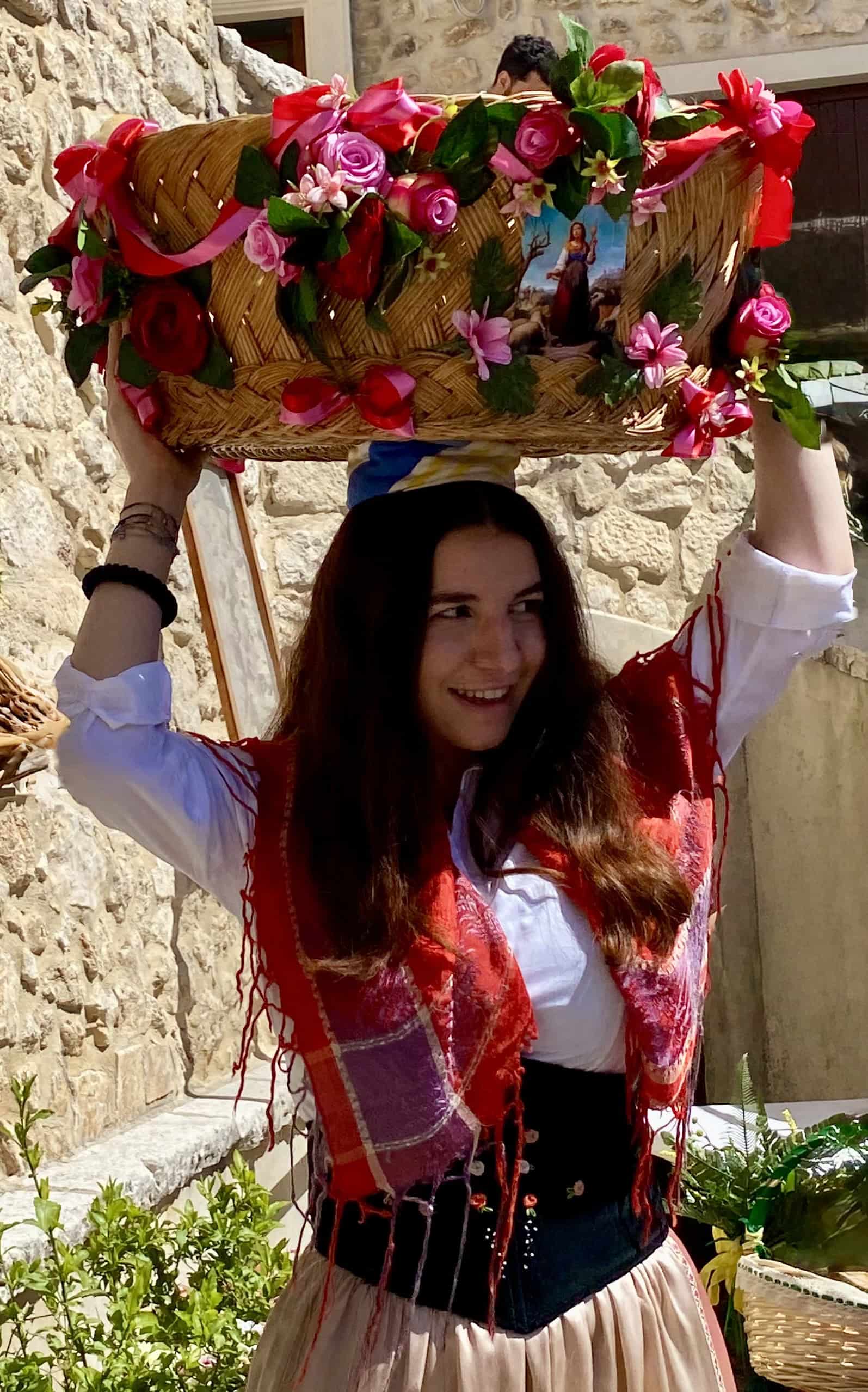
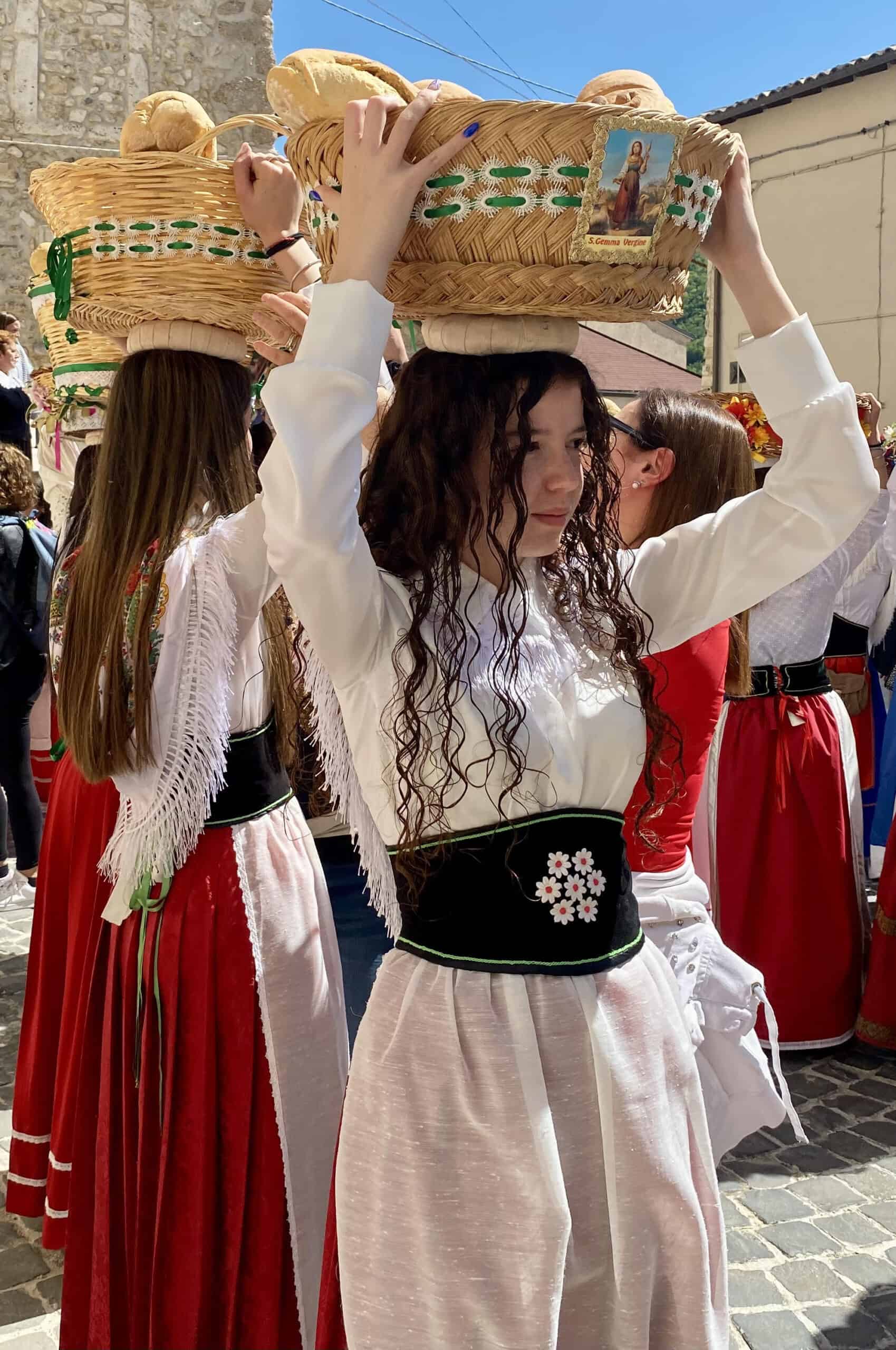
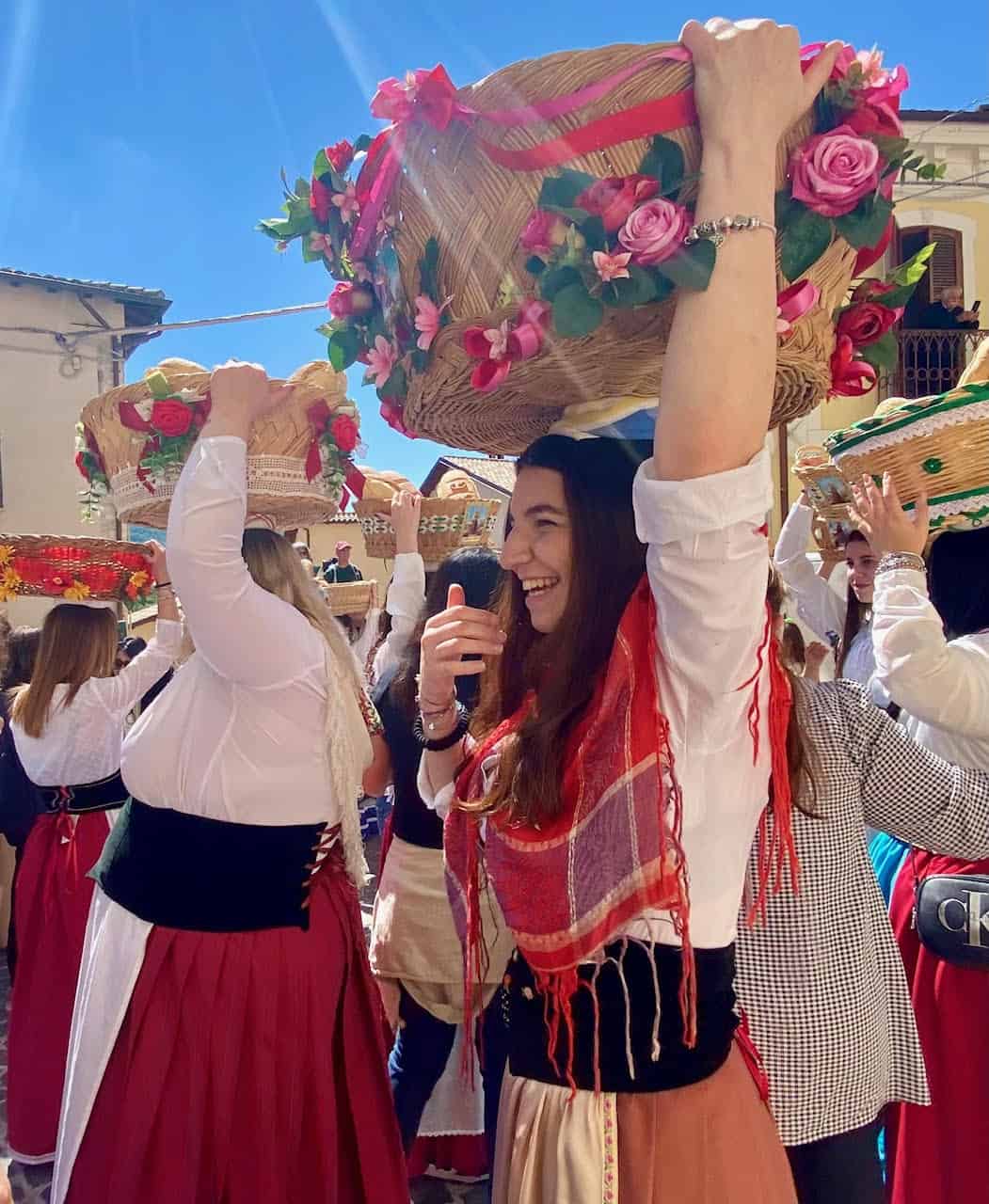
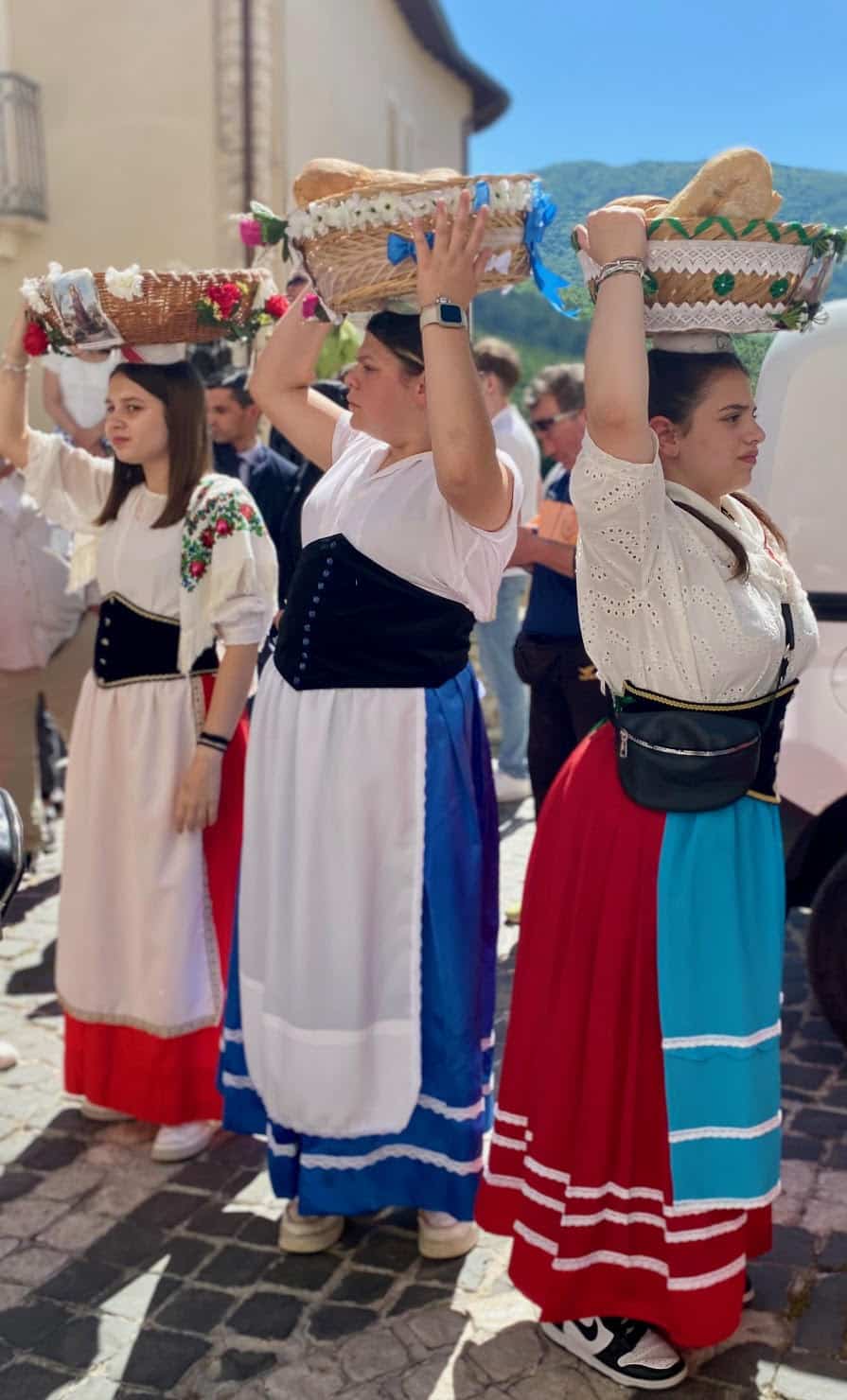
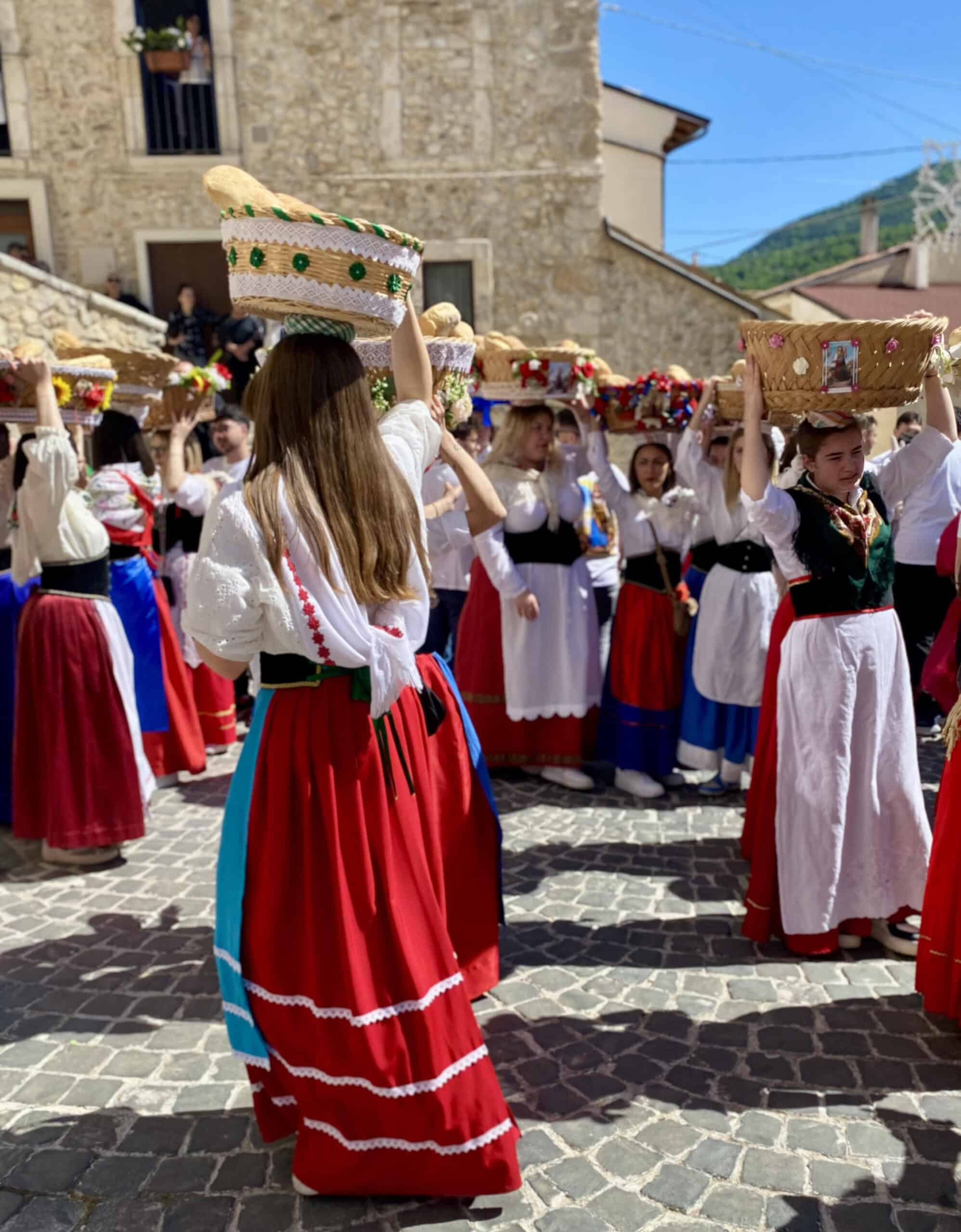
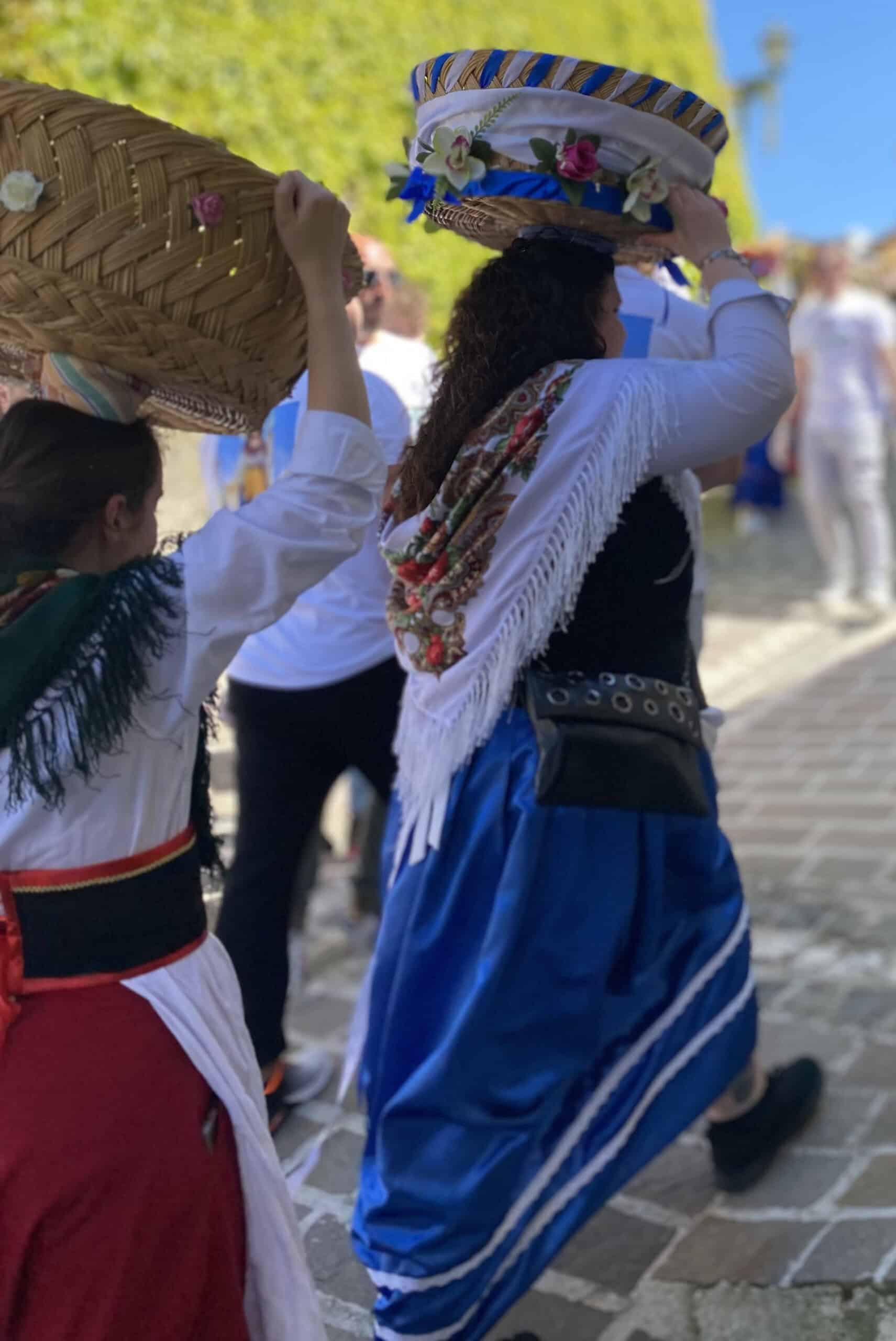
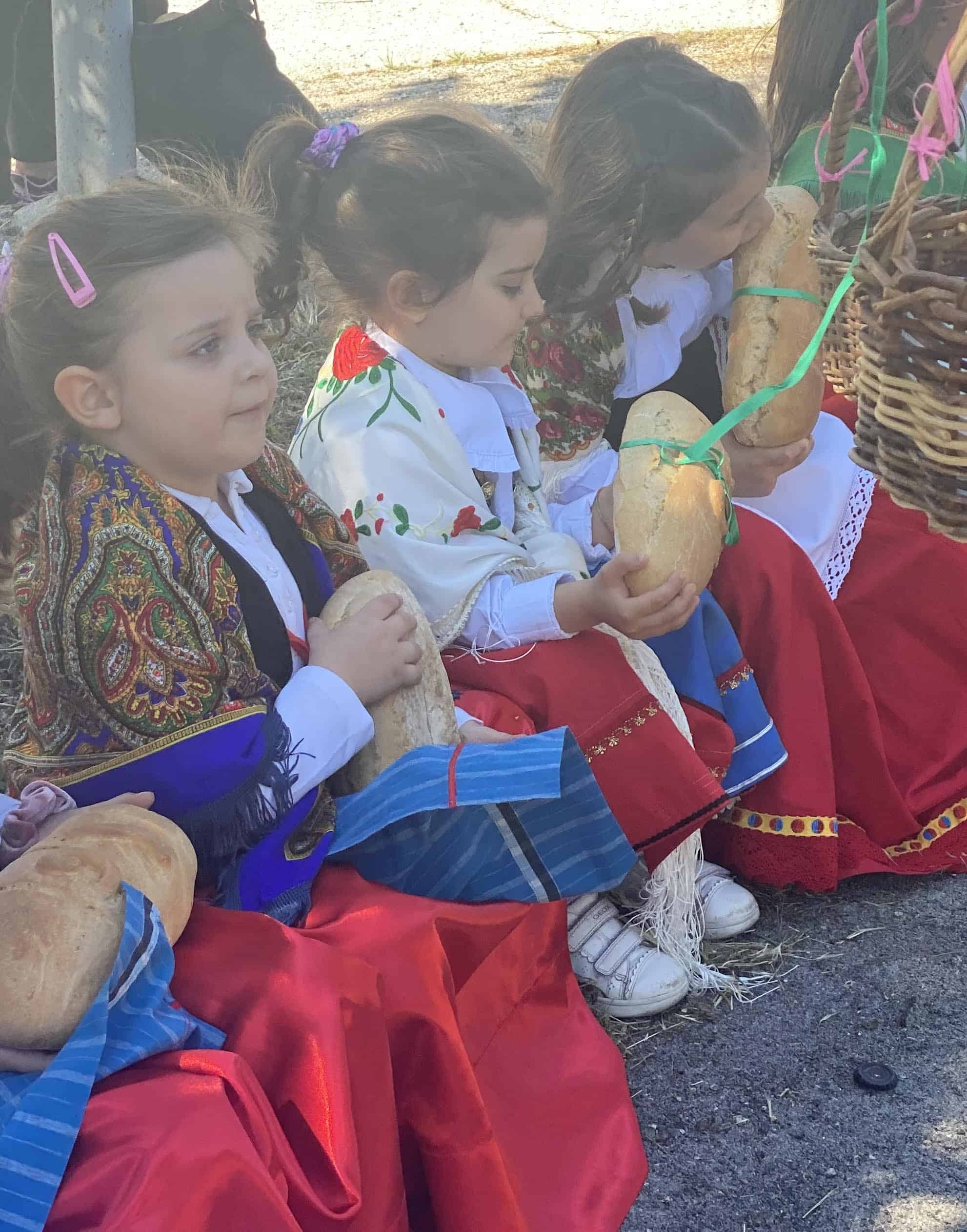
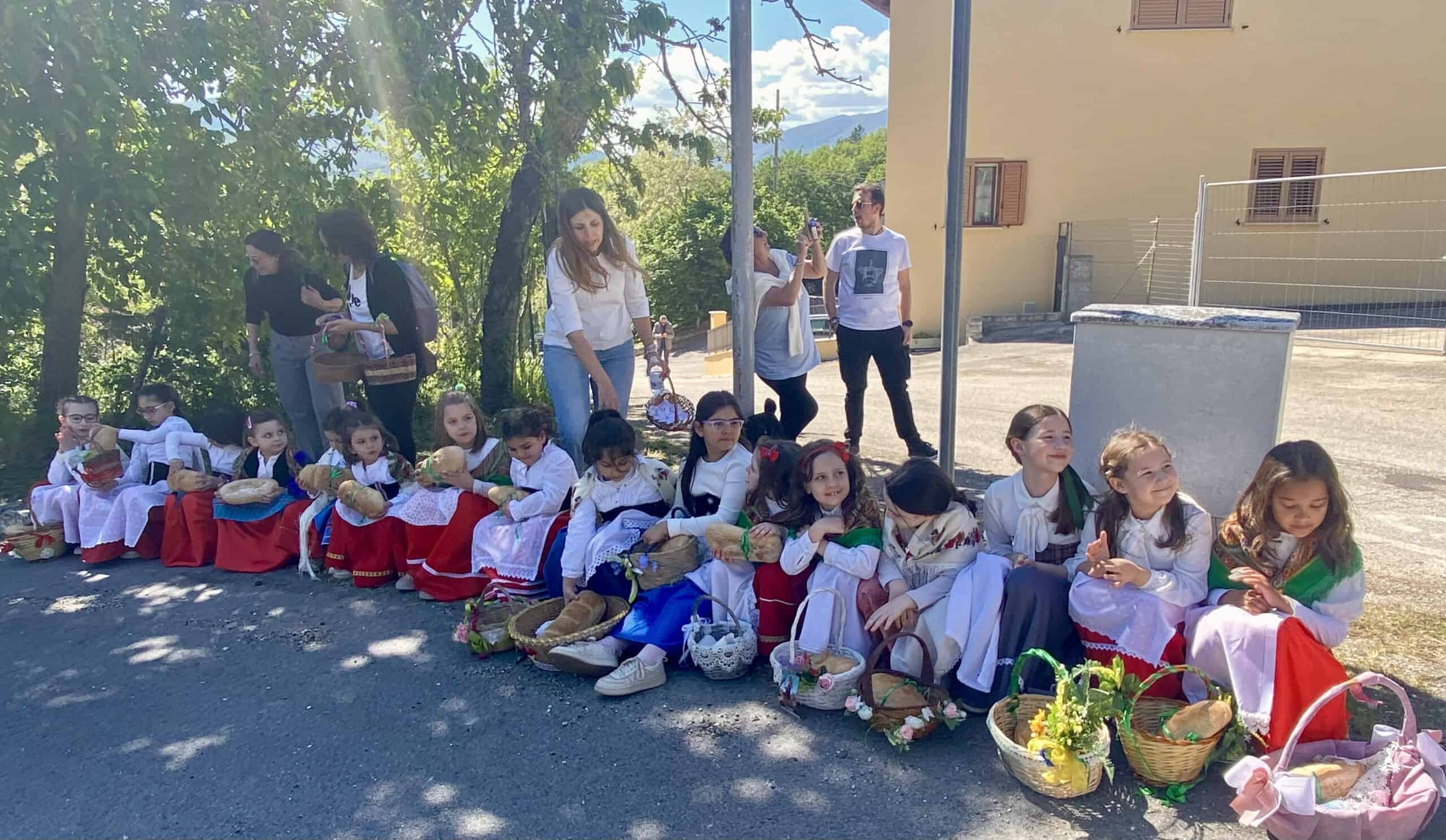
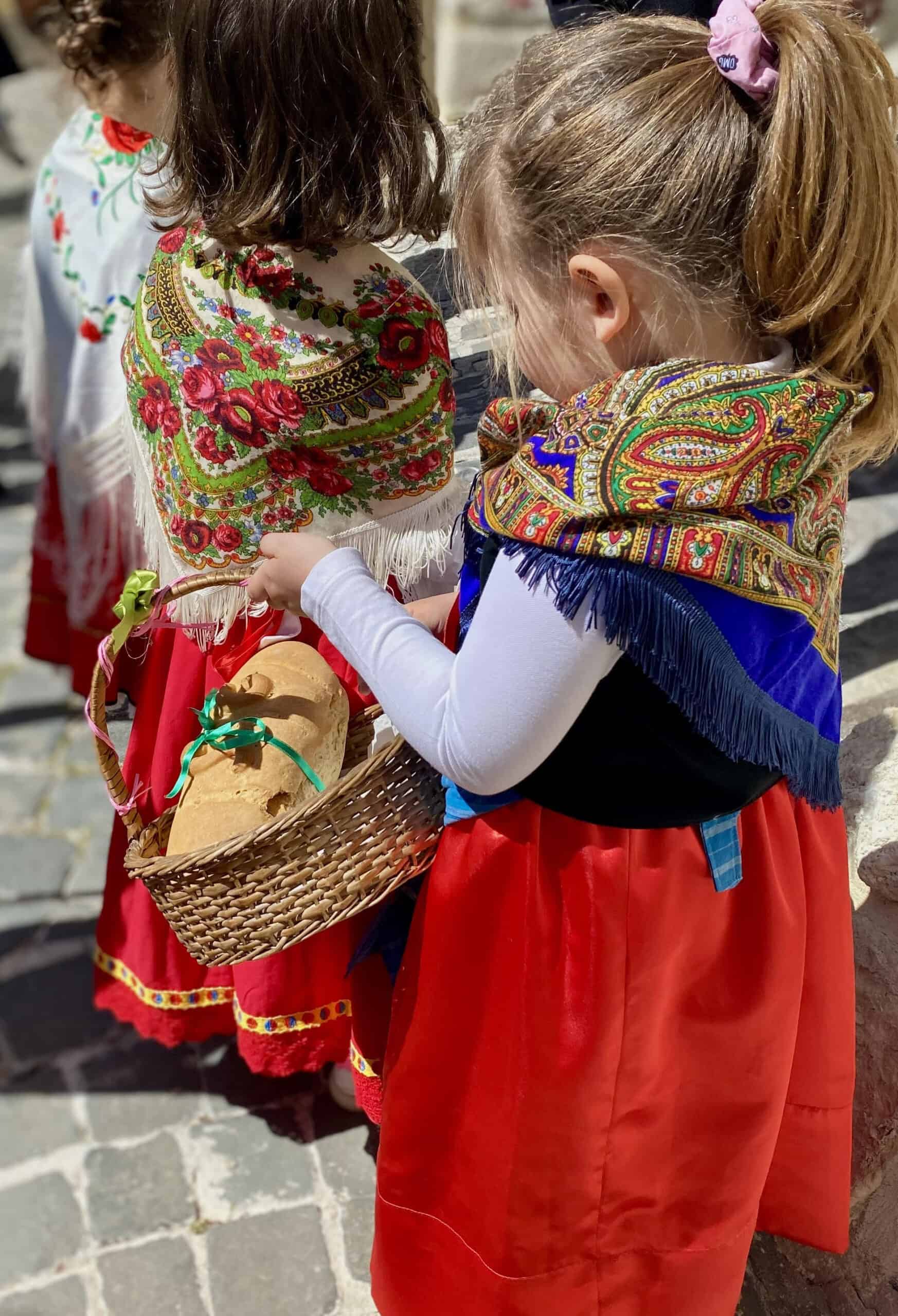
The procession where the bread is distributed is known as the “Processione dei Canestri”—the Procession of the Baskets. This procession takes place directly after lunch, and you will see Mothers handing their daughters the Santa Gemma bread in beautifully decorated, colourful baskets, ready for the procession and distribution. This tradition symbolises a communal and individual blessing of health and protection from ancient agrarian customs of fertility, renewal, and the sacred role of women in sustaining both spiritual and seasonal cycles.
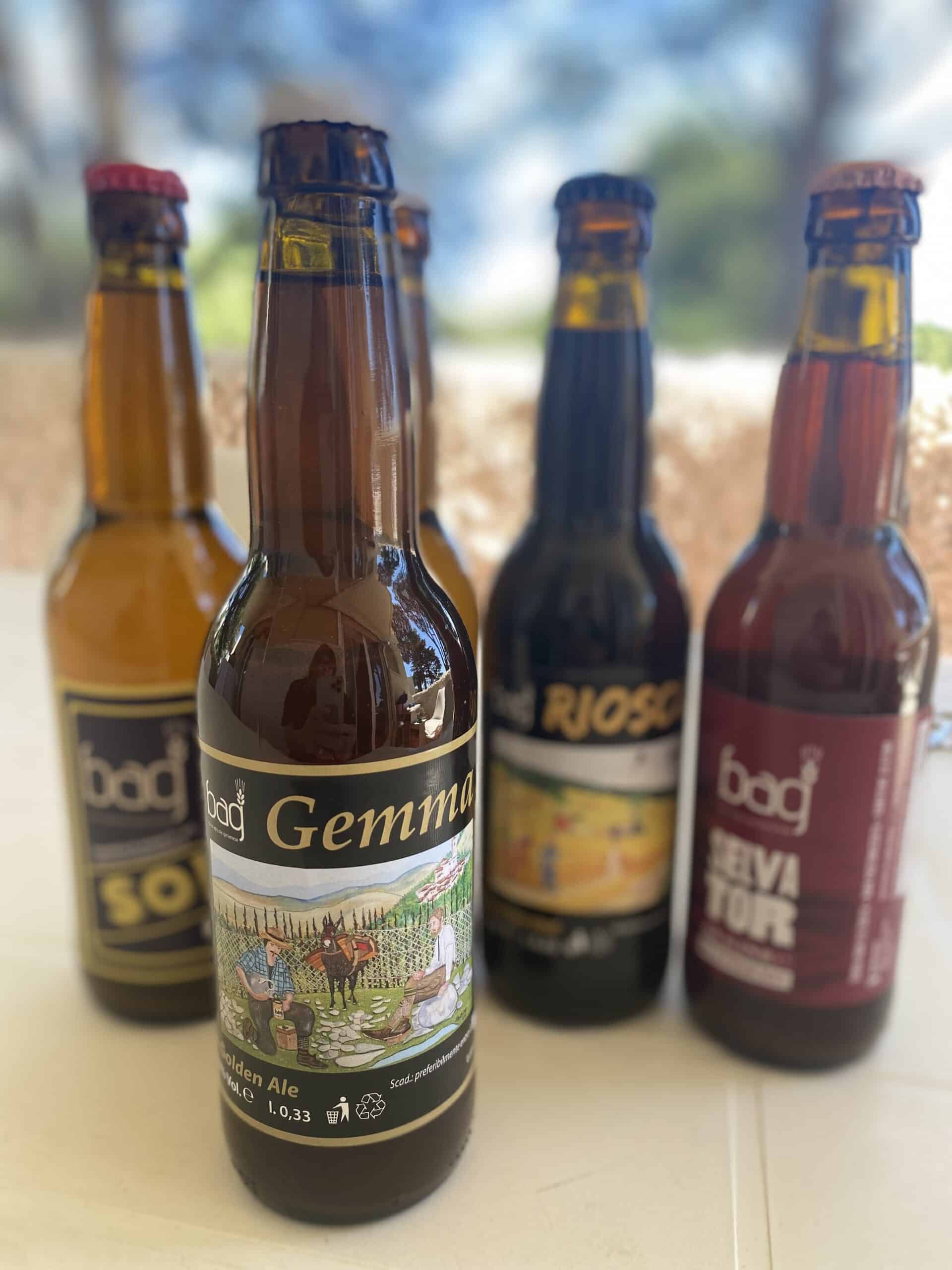
It’s a wonderful colourful event in a stunning setting every May 11th, do visit and also take the time to taste the award-winning artisan beers at the microbrewery! I loved their label design showing Escher and his donkey sketching the town.
Where is Goriano Sicoli

Author: Sam Dunham
Sam is a freelance SEO content creator and IGCSE Geography and English teacher in Rome. She also runs the Life In Abruzzo Cultural Association, sharing stories and insights about this captivating region. Alongside raising a teenager, Sam hosts guests at her family’s traditional home, the Little House of the Firefly in Abruzzo, offering a warm welcome and insider tips on local culture, food, and hidden gems.