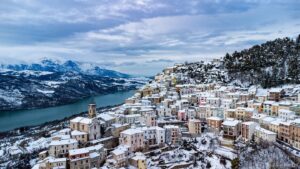
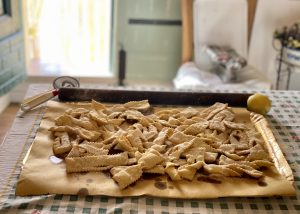
Taranta Peligna (CH): Le panicelle di San Biagio
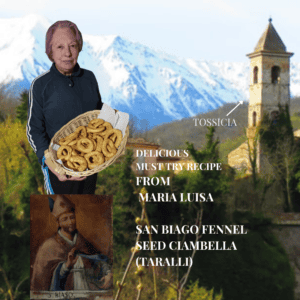
The Panicelle of San Biagio in Taranta Peligna are blessed ritual breads shared on 3 February to protect the throat and honour a sacred Abruzzo tradition
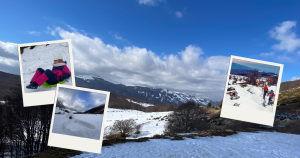
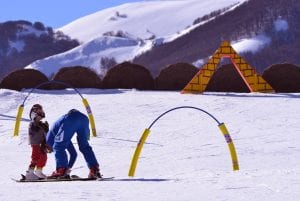
February in Abruzzo, a topsy turvy month of love and heightened imagination, welcoming lighter, longer days…and fever! The month is named after the Roman goddess of fever, ‘Febris’, the Latin word for fever and her festival was known as ‘Februa’. This built on the idea that fevers were positive and if you got through them particularly malarial fevers you’d be all set for sunny spring. Numa Pompilius, King of Rome in c700bc, built this festival into a month when 10 months became 12 in the Roman calendar. The Roman Catholic church added the feast day of San Biagio to continue the theme. He is the patron saint of throat afflictions, in church Sant’olio would traditionally be rubbed on your adam’s apple and you would eat a fenugreek-flavoured biscuit for protection against throaty ailments. Do try out these famous February biscuits, each a little different across Abruzzo’s provinces; they are always delicious! For shepherding families whose menfolk were away in warmer climes with their flock, surely St Valentine’s Day helped channel love from thoughts of absence makes the heart grow fonder. It was no doubt easier to work with than the fertility celebrations of the Roman God Luperco that Valentine’s Day was built to replace. Carnevale focused the fever-ridden delirious and those harking for the end of winter into imaginative, topsy-turvy play, and, in rich mercantile Venice, it marked the end of excesses. Back in pagans times this was a traditional feast, marking the end of winter and the return of farmers back to the fields. Today, it is packed with delicious cream and egg-laden treats, alongside dishes like Teramana ravioli, which is sweet and stuffed with ricotta, cinnamon and lemon zest. If you are not working that off in the fields you could contemplate skiing in Abruzzo today! For those with any lingering fevers, there is the arrival of Lent, remodelled from the celebration of Februus, who was the God of purification. Its cleansing 40-day no meat diet still encourages eating local, with sampling and inventiveness of the flavoursome spring greenery and herbs.
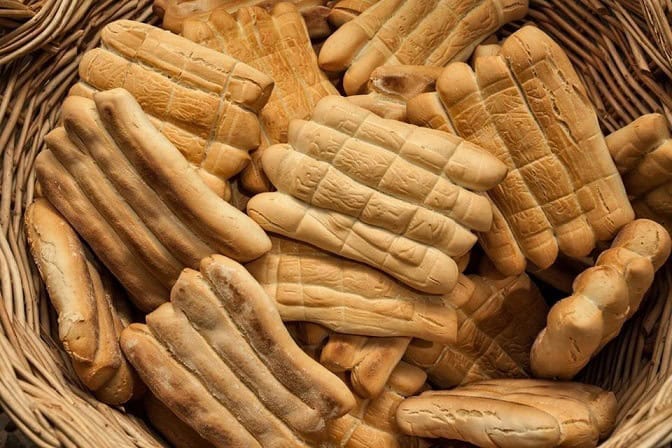
The Panicelle of San Biagio in Taranta Peligna are blessed ritual breads shared on 3 February to protect the throat and honour a sacred Abruzzo tradition
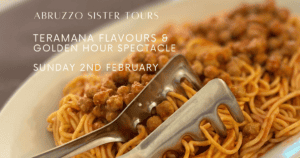
Join Abruzzo Sister Tours on |Candleora, Sunday, February 2nd for a delicious lunch and witness the annual breathtaking natural spectacle of when the Sun sets perfectly between the majestic highest peaks of the Gran Sasso

Hilde Lotz-Bauer's photographs from 1930-1943 offer a unique perspective on Italy during that period. The opportunity to see 200 of her images in the Trastevere exhibition sounds like a wonderful experience, providing a glimpse into the magic of Scanno, Abruzzo and other Italian landscapes. Art has a special way of transporting us to different eras and immersing us in the beauty of the past.

On Ash Wednesday, the first day of Lent, Montorio al Vomano (TE) holds ‘La Morte di Carnevale’ (Death of the Carnival).