
The UN Migration Agency (IOM) defines a migrant as any person who is moving or has moved across an international border or within a State away from his/her habitual place of residence, regardless of (1) the person’s legal status; (2) whether the movement is voluntary or involuntary; (3) what the causes for the movement are; or (4) what the length of the stay is.
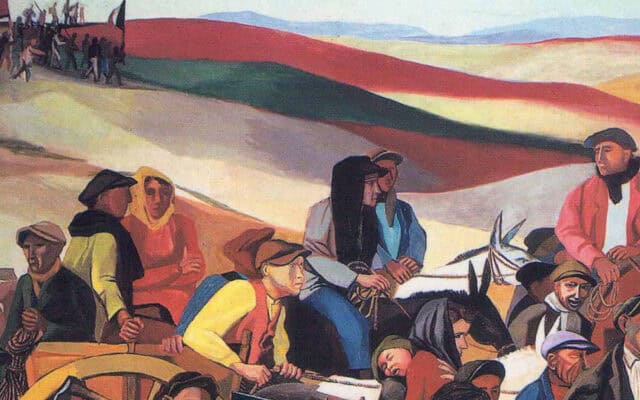
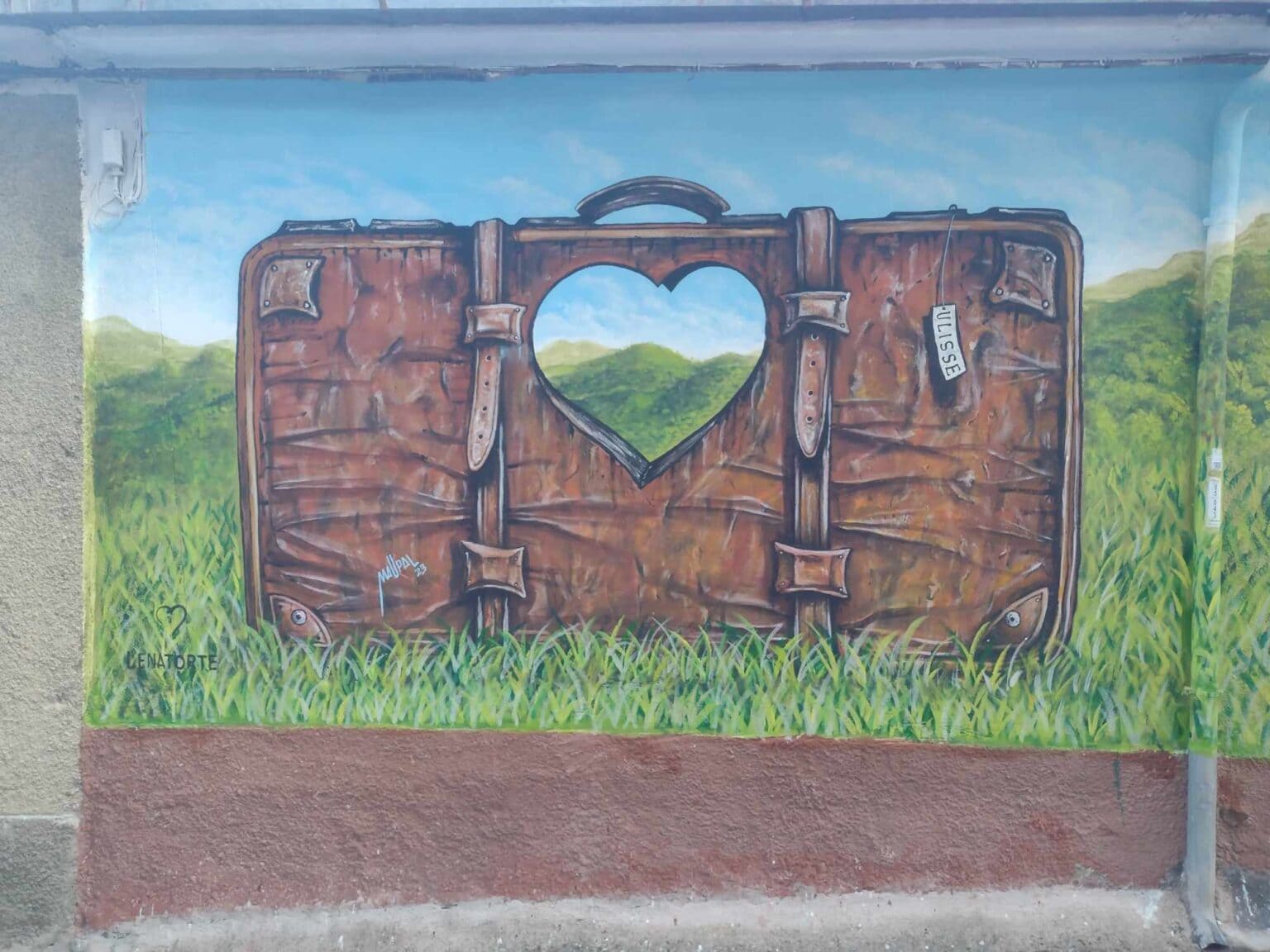
Migration is a constant in human history. People leave home for safety, work, dignity, or a better life. Abruzzo has a long history of migration. Shepherds once crossed the mountains with their flocks, traders sailed the Adriatic, and many families left for the Americas, Australia, or northern Europe when the region’s beauty was not enough to support them. In Abruzzo, migration is rarely straightforward. It often means leaving, returning, and starting again.
Abruzzo’s identity has always changed. It started with Italic tribes, but over time, Rome, Adriatic trade, northern Europe, the Mediterranean, and North Africa all left their mark. The idea of a “pure” or unchanging Abruzzo is a myth. Change and adaptation are part of life here. Economic hardship has also shaped the region. For generations, people left because there were few opportunities, and young people saw little hope. For many families, that feeling still lingers.
A Story from Isola del Gran Sasso
Last week, we were told a wartime family story from Deacon William Gallerizzo in Massachusetts, USA. His story shows how migration and return can come full circle.
During World War II, villagers hid people who escaped from the Isola San Grasso internment camp in Teramo province. The camp, high in the Gran Sasso mountains, mainly held German Jewish refugees and Chinese from 1940 on. When the Nazis took over and found out that escapees were being hidden and fed in caves near Pretara by the mostly itinerant shepherds that lived there, they punished the locals with hard labour. Food became very scarce. Adults gave what little they had to their children so they could survive.
William’s uncle, Eugenio, came back to the area as an Allied soldier. When he saw how the children in his family’s ancestral village lived, he spoke to his commanding officer. Supplies arrived, and lives were saved. Many years later, when his family visited Pretara, the community still remembered what he had done. People leave. People return. People reach out. Good deeds and actions are not forgotten.
Migration in Abruzzo Today
Today, Abruzzo is seeing new arrivals again. People from other countries come here because they see chances they do not have at home. Some retirees are attracted by the slower pace, lower costs, and the 7% flat tax. Their presence brings attention, energy, and fresh ideas. In our small village, Abruzzesi live with English, Irish, Romanian, Bulgarian, and French neighbours. Yet, we need to be honest. Short-term spending is not the same as long-term growth. Buying groceries, fixing up houses, or enjoying local cafés helps for now, but it does not always create steady jobs, keep schools open, or give young people reasons to stay.
Listening to Local Concerns
When you catch locals talking about “another foreigner,” it is usually not just about where someone is from. Often, it reveals deeper concerns: higher property prices, fewer long-term rentals, wages that cannot keep pace with foreign buyers, and villages losing working-age residents. These concerns are real and should be listened to, not ignored.
What Makes Migration Work
Abruzzo does not thrive through isolation, nor through residents who remain only briefly connected to it.
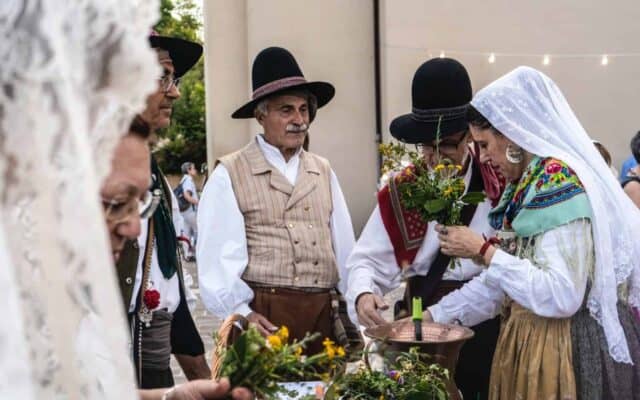
This year’s photography exhibition, Forte e Gentile – I Volti dell’Abruzzo, currently being on display in Popoli, shows this clearly. It features locals who helped the region by reaching out to foreigners and foreign residents, who in turn reached out to their new communities. Genuine connections between new arrivals and locals can bring attention, funding, and new interest. This happens not just because people come, but because they stay, listen, and take part.
Movement has always shaped Abruzzo.
What matters most is what happens after arrival.

Author: Sam Dunham
Sam is a freelance SEO content creator and IGCSE Geography and English teacher in Rome. She also runs the Life In Abruzzo Cultural Association, sharing stories and insights about this captivating region. Alongside raising a teenager, Sam hosts guests at her family’s traditional home, the Little House of the Firefly in Abruzzo, offering a warm welcome and insider tips on local culture, food, and hidden gems.