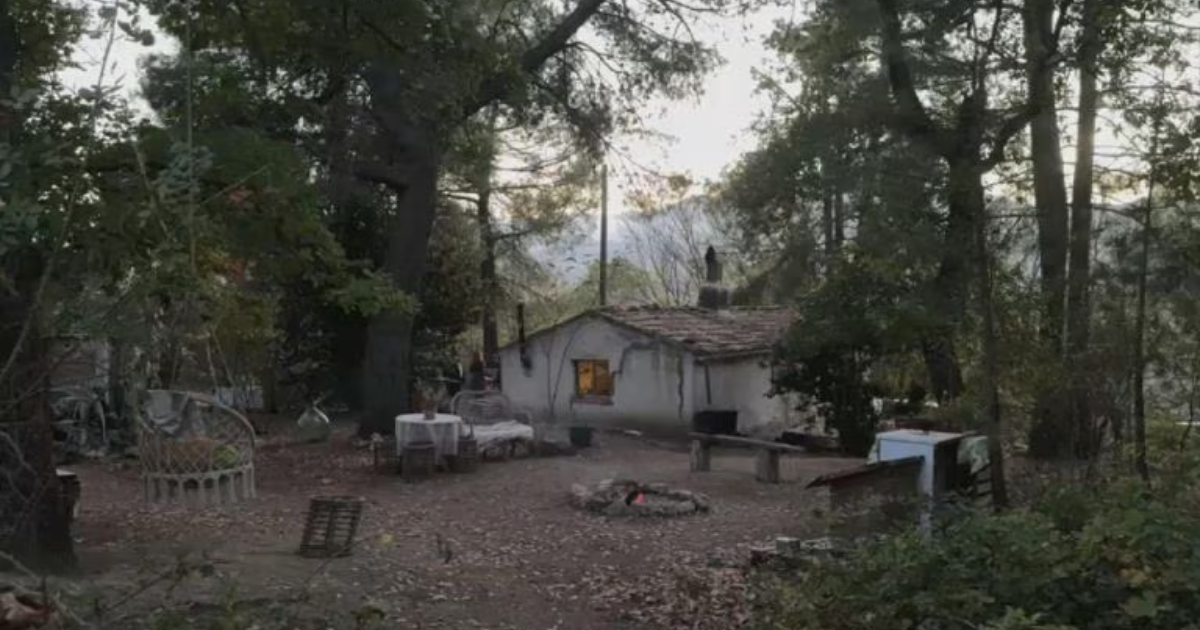

The recent case of an Anglo-Australian family living in the woods near Palmoli in Chieti has generated intense reactions across Italy and social media, including petitions and accusations that the State removes children for living differently. While the court evaluated the situation according to current law and identified a real and immediate risk to the children, sociologist Antonio Marziale argued that reaching the point of removal indicates a failure of earlier institutional support and suggests that the law may need reform to prioritise prevention over emergency intervention.
This article summarises what is documented, what the Juvenile Court ruled, and how Italian law treats off-grid lifestyles, homeschooling, and child protection. It is a factual overview, not an opinion.
-
What did the Juvenile Court Decide?
The Juvenile Court of L’Aquila ordered the urgent removal of three children and temporarily suspended parental responsibility. The children and their mother were placed in an educational community, and a legal guardian was appointed.
The decision was based on three combined factors:
a) Risk to relational life under Article 2 of the Constitution
The court stated that the concern was not home education but the children’s social and psychological development and the absence of peer interaction at primary school age. It noted that this can produce serious psychological and educational consequences in both school and wider life. Think the impact of exclusion during the pandemic lockdowns.
b) Unsafe and uncertified living conditions
The order described a deteriorated structure without electricity, water or sanitation, a lack of habitability certification, seismic and fire safety concerns, and moisture with possible long-term health risks. The ruling stated that the absence of habitability creates a legal presumption of danger to a minor’s physical safety.
c) Refusal of Medical Checks and Media Exposure of Minors
The court cited refusal of required health examinations and treatments and the public posting of identifiable photos and data of the children during proceedings, interpreted as using minors to influence the legal process.
The decision stated that this was not based on living in nature, homeschooling or nationality. The court’s decision came after a year-long observation period “during which the parents systematically disregarded the court’s orders”.
-
Political Interest and the Legal Process
The case attracted national attention when the Prime Minister asked the Justice Minister to monitor developments and evaluate whether inspectors were needed. The Vice Premier publicly criticised the ruling, and parliamentary questions were submitted.
However, the government did not intervene. The ruling remains judicial and independent. Political statements do not replace court decisions.
The Magistrate Association has defended the ruling to remove the children.
“We reject any form of exploitation expressed in recent days by some political factions and the media, which fail to consider the complexity and sensitivity of the rights in question,” said the Italian Association of Magistrates for Minors and for the Family.
-
Does Italy Allow Off-grid living?
Yes. Off-grid living is legal in Italy if it complies with building regulations, sanitary and safety standards, and, where required, habitability rules. Many rural and autonomous lifestyles exist in Italy. What matters is the safety and legality of the dwelling, not the use of solar power or alternative systems.
-
Is the Removal of Children a Last Resort in Italy
Yes. Removal is an emergency and exceptional measure used only when a child faces serious and current danger. It must be confirmed quickly by a judge and is intended to be temporary and proportionate. Before removal, authorities usually offer monitoring and support. Italy is not known for routinely separating families and is often criticised for acting slowly.
-
Does Italy Support Families Before Intervention
Generally yes. The standard process includes home visits and monitoring, support plans covering health, education and housing, and cooperation with parents. Removal occurs only if risks persist or worsen. The intention is to keep children within the family whenever it is safe to do so.
-
Are Vaccines Mandatory in Italy
Under the Lorenzin Law of 2017, ten vaccines are compulsory and free for children aged zero to sixteen. They are required for access to nursery and kindergarten from zero to six. School-aged children from six to sixteen are not expelled, but families may face administrative measures.
For home-educated children, there is no automatic enforcement at school entry, but refusal of health checks combined with other risks can trigger intervention. Vaccination status alone does not lead to removal.
-
Do Children have Free Access to School
Yes. Article 34 of the Constitution states that school is open to everyone. Education is compulsory and free from age six to sixteen. Foreign children, including those without stable residency, have the same right. Parents choosing homeschooling must declare annually to the local school authority, demonstrate adequate resources, and ensure their child takes annual assessment exams. Failure to comply can involve social services.
-
Posting Children Online
Under GDPR and Italian privacy law, minors’ identities must be protected. Publishing identifiable images of children involved in legal proceedings is strongly discouraged and can be considered harmful. Courts may treat the exposure of minors’ data as inappropriate. In this case, the court found the children’s media exposure to be damaging.
-
Key Points for the Life In Abruzzo Community
Italy does not remove children for living off-grid or rurally. The ruling focused on safety, health compliance, social isolation and media exposure. Removal is a last resort, temporary and subject to appeal. Political reactions do not change judicial decisions. Families are generally supported in remaining together when it is safe to do so.
This case was not about choosing nature or homeschooling. The court cited unsafe housing without habitability certification, refusal of medical checks, and concerns about social isolation and media exposure of minors. In Italy, child removal is a last resort, and off-grid living is legal when safety and health standards are met.

Author: Sam Dunham
Sam is a freelance SEO content creator and IGCSE Geography and English teacher at Istituto Cristo Re in Rome. She also runs the Life In Abruzzo Cultural Association, sharing stories and insights about this captivating region. Alongside raising a teenager, Sam hosts guests at her family’s traditional home, the Little House of the Firefly in Abruzzo, offering a warm welcome and insider tips on local culture, food, and hidden gems.
Everything you just read is free. Here’s why that matters.
Life in Abruzzo has been independently covering Abruzzo’s culture, food, history and hidden corners since 2007, with no advertisers, no paywalls, and no outside funding. Just a small team who love this region and want the world to know it.
If this article meant something to you, consider supporting our work. Every contribution keeps us independent and free for everyone.